 Sudden Valley Roofing
 Roofing Built for Lake Whatcom's Climate
Homes around Lake Whatcom sit in a pocket of Whatcom County that gets more than its share of weather. You're close enough to the water to pick up salt-tinged air moving in off the Puget Sound, tucked against tree cover that keeps roofs shaded and damp longer than homes out in the open, and squarely inside a stretch of Western Washington that sees rain for a good chunk of the year. None of that is a reason to panic about your roof. It's just the set of conditions we build every recommendation around when we work in this neighborhood.
Sudden Valley Roofing Co works this area regularly, which matters more than it might sound. A roofing crew that mostly works dry inland climates tends to under-spec ventilation and underestimate moss growth. A crew that knows Lake Whatcom knows to plan for both from the start.
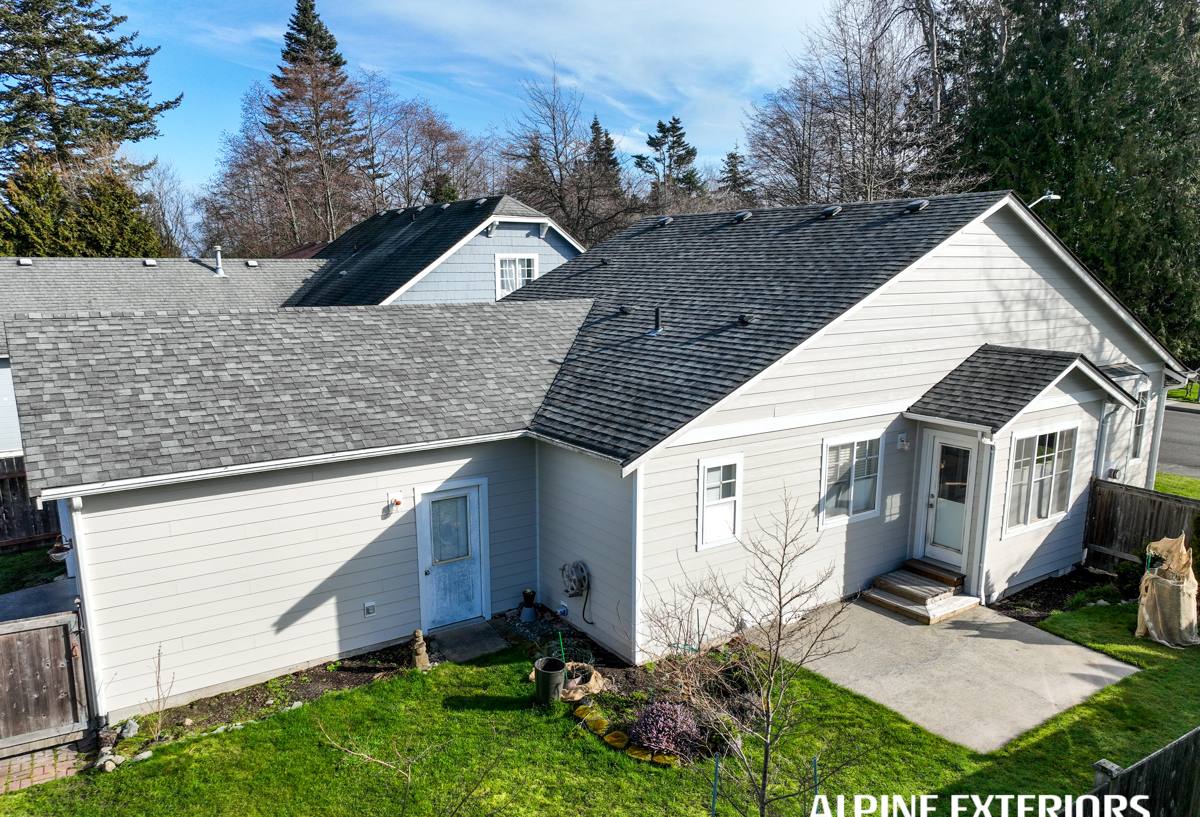
What Driving Rain and Salt Air Actually Do to a Roof
"Driving rain" isn't just heavier rain — it's rain that gets pushed sideways by wind, which means it can work its way under shingles, around flashing, and into any gap that would stay dry in a straight-down rainstorm. Over years, that's what causes leaks at valleys, chimneys, skylights, and roof-to-wall transitions long before the shingles themselves wear out.
Salt air compounds the problem for anything metal on your roof — flashing, fasteners, gutters, vents. Lower-grade metal components corrode faster near open water, even at a modest distance inland. It's not dramatic or fast, but it's steady, and it's the kind of thing that turns a small flashing leak into a bigger repair if it's not caught early.
Why This Isn't Just a "Coastal Special Case"
We mention salt air and driving rain specifically because they change material choices, not because they make Lake Whatcom roofs fragile. A properly specified roof in this area lasts just as long as one anywhere else in Whatcom County — it just needs the right underlayment, the right flashing metal, and the right attention to detail at the vulnerable points.
Moss: The Slow-Motion Problem Nobody Notices Until It's a Big One
Whatcom County's long wet season and heavy tree cover around Lake Whatcom add up to a long moss season — moss doesn't need much encouragement here, and once it gets a foothold on a roof it doesn't go away on its own.
- It holds moisture against the roof surface — the granules or wood fibers underneath stay damp far longer than they should, which accelerates wear.
- It grows under the shingle edge — as it thickens, moss can actually lift shingles slightly, breaking the seal that keeps water out.
- It clogs gutters and valleys — moss and the debris it catches can dam water flow, sending it somewhere it shouldn't go.
- It's easy to ignore — moss builds slowly, so a roof can go from "a little green tinge" to "a real problem" over a couple of seasons without anyone noticing from the ground.
None of this means moss makes a roof unsafe overnight. It means moss is a maintenance item, not a cosmetic one, and it's worth dealing with before it becomes a source of leaks.
Roofing Services We Provide Around Lake Whatcom
Roof Replacement
When a roof is past the point where repairs make sense, we replace it with materials and a roofing system suited to this specific climate — proper underlayment for wind-driven rain, corrosion-resistant flashing, and ventilation that actually keeps moisture from building up in the attic.
Roof Repair
Not every roof problem needs a full replacement. Localized leaks, damaged flashing, a section of wind-lifted shingles, or moss-related damage can often be repaired directly, extending the life of a roof that's otherwise sound.
Moss Treatment and Removal
We remove existing moss growth using methods that don't damage the shingle surface, and we can talk through longer-term moss management so it doesn't come right back the next wet season.
Roof Inspections
A straightforward look at flashing, valleys, vents, and general shingle condition — useful before a sale, after a storm, or just as routine upkeep for a roof that's a few years past new.
How We Approach a Roofing Project
- Inspection and honest assessment. We look at the actual condition of the roof — deck, flashing, ventilation, shingle wear — before recommending anything.
- A clear scope and estimate. You'll know what's being done, why, and what it costs before work starts. No pressure, no upsell for its own sake.
- Material selection suited to this location. Underlayment, flashing metal, and ventilation are chosen with driving rain, salt air, and moss exposure in mind — not a generic, one-size-fits-all spec.
- Careful installation at the details that matter most. Most roof failures start at valleys, flashing, and penetrations, not in the open field of shingles — that's where we spend the extra attention.
- Cleanup and a final walkthrough. The site gets cleaned up, and we walk the work with you before calling it done.
Beyond the Roof: Siding, Windows, and Decks
The same climate factors that affect roofs affect the rest of a home's exterior, which is why we handle siding, windows, and decks as well as roofing.
Siding
Siding around Lake Whatcom deals with the same driving rain and damp shade that roofs do. Proper installation — correct flashing at windows and doors, adequate drainage behind the siding, and materials that hold up to sustained moisture exposure — matters as much as the siding material itself.
Windows
Older or poorly flashed windows are a common source of hidden water intrusion in wet climates. Replacement windows installed with proper flashing and sealing address both energy loss and moisture risk at the same time.
Decks
Decks take a direct hit from this climate — standing moisture, moss on horizontal surfaces, and UV exposure between rain events all shorten a deck's life if it's not built and maintained with that in mind. We build and repair decks with drainage and material choices suited to a wet Pacific Northwest environment.
Handling all four trades under one roof means fewer contractors to coordinate and a crew that already understands how your roofing, siding, windows, and deck interact as one exterior system.
Roofing Material Comparison for This Climate
| Material | Moss Resistance | Salt Air Durability | Typical Lifespan | Maintenance Needs |
|---|---|---|---|---|
| Asphalt Composition Shingle | Moderate — benefits from periodic moss treatment | Good with corrosion-resistant flashing/fasteners | 20-30 years | Periodic moss removal, gutter clearing |
| Metal Roofing | High — moss struggles to establish | Depends on coating and fastener quality | 40-60 years | Low; occasional fastener/seam check |
| Wood Shake/Shingle | Low — retains moisture, prone to moss and rot | Moderate | 20-30 years with upkeep | High; regular treatment and inspection |
| Synthetic/Composite | Moderate to high, varies by product | Good | 30-50 years | Low to moderate |
There's no single "correct" material for every home — roof pitch, tree cover, budget, and the look you want all factor in. We'll walk through the real trade-offs for your specific roof rather than pushing one option.
A Quick Homeowner Checklist
- Check gutters and valleys for moss or debris buildup, especially after fall leaf drop.
- Look for green or dark streaking on north-facing or shaded roof slopes — early moss signs.
- Watch for water stains on interior ceilings near chimneys, skylights, or roof valleys.
- Have flashing and fasteners inspected periodically if your home is closer to open water.
- Don't ignore a small, isolated leak — driving rain tends to find and widen small gaps over time.
- Schedule an inspection before listing a home for sale or after any significant windstorm.
Why a Local Crew Matters Here
A lot of roofing problems in Whatcom County aren't caused by bad materials — they're caused by a roofing system that wasn't specified for the actual conditions it has to handle. A crew unfamiliar with this area might use standard underlayment where a higher-performance option makes more sense, skip extra flashing detail at a shaded valley, or not think twice about moss until it's already a problem. Working this area regularly means we've seen how these homes age and what actually goes wrong first, so we can build and repair roofs that hold up rather than just meet a minimum spec.
If you're weighing a roof repair, a full replacement, or just want an honest read on where your roof, siding, windows, or deck stand, we're happy to take a look. Reach out for a free, no-pressure estimate using the form below.