 Sudden Valley Roofing
 Start With Safety, Not the Roof
After a windstorm blows through Sudden Valley, the instinct is to get up on a ladder and see what happened. Resist it. Wet shingles, loosened flashing, and debris-covered gutters make for a bad combination underfoot, and downed limbs or power lines around Lake Whatcom's tree-heavy lots are a real hazard after any strong blow. The first hour after a storm is for a ground-level walk, not a roof climb.
Check the yard and driveway for fallen branches, damaged power lines, or a chimney cap that's come loose. If you smell gas, see sparking wires, or notice structural sagging in the roofline, leave the house and call the appropriate emergency line before doing anything else. Everything else on this page assumes the property is safe to approach.
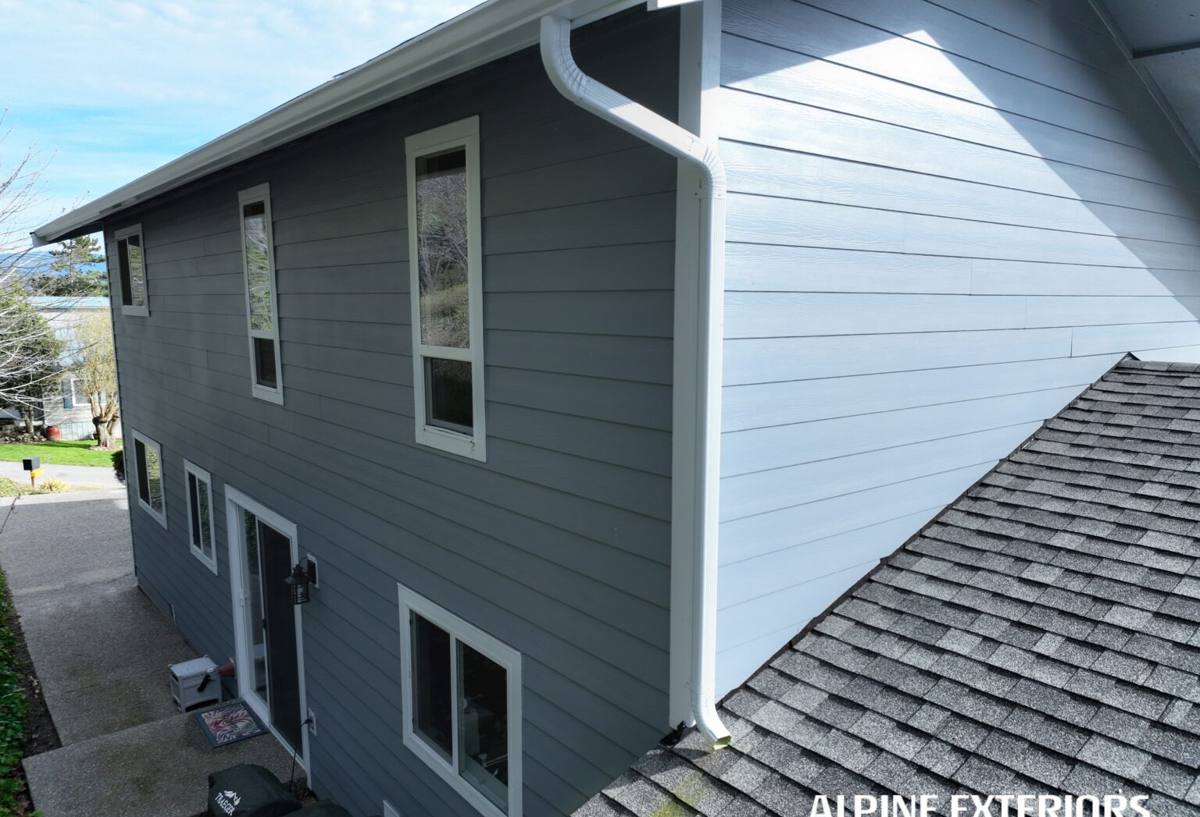
A Safe Ground-Level Damage Check
You can learn a lot about your roof's condition without ever leaving the ground. Walk the perimeter of the house and look up and outward, not straight overhead, since that angle makes it easier to spot lifted shingle edges and gaps along the ridge.
What to look for
- Shingles or shingle pieces in the yard, gutters, or flower beds
- Bare or discolored patches on the roof plane where granules have washed or blown off
- Bent, dented, or missing sections of gutter and downspout
- Flashing that's visibly pulled away around the chimney, skylights, or roof-to-wall joints
- Interior ceiling stains, a musty smell in an attic or crawlspace, or a new drip after rain
If you see any of these signs, or if you're not confident reading the roof from the ground, that's the point to call a contractor rather than pushing further on your own. A trained eye up close catches lifted tabs and cracked seals that are invisible from below.
Common Types of Wind and Storm Damage
Not all storm damage looks the same, and not all of it needs the same urgency. The table below covers what we see most often on roofs in this part of Whatcom County.
| Damage Type | What It Looks Like | Urgency |
|---|---|---|
| Lifted or missing shingles | Tabs curled up, bare wood or underlayment visible, shingles in the yard | High — exposes the deck to water immediately |
| Granule loss | Dark streaks in gutter runoff, shiny or blotchy patches on shingles | Moderate — accelerates aging, not always urgent |
| Flashing separation | Metal pulled away from chimneys, walls, or vent pipes | High — a direct path for water into the structure |
| Gutter and downspout damage | Bent sections, pulled fasteners, standing water at the fascia | Moderate — worsens with the next heavy rain |
| Impact damage (limbs, debris) | Punctures, cracked shingles, dented vents or caps | High — often a point-source leak |
| Ridge cap damage | Cracked or displaced cap shingles along the roof peak | High — the ridge is the most wind-exposed part of the roof |
Temporary Protection Until Repairs Happen
If a storm has opened up any part of the roof deck, the goal between now and a permanent repair is simple: keep water out. A properly weighted tarp, secured over the damaged section and extending well past the edges of the problem area, buys time without making the eventual repair harder. Avoid nailing a tarp directly into good shingles if it can be helped — that just creates new holes.
Move anything valuable out from under a known leak, and if there's an active drip through the ceiling, a small hole poked at the lowest point of a bulging spot can relieve pressure and prevent a larger ceiling collapse. This is a stopgap, not a fix. Roofs in Sudden Valley take on driving rain off Lake Whatcom from more than one direction depending on the storm track, so a tarp that looks secure on day one can shift once wind changes direction — check it after the next weather system, not just once.
Getting on a ladder in wet or windy conditions is where most storm-related injuries happen. If the damage is on a steep section, a second story, or anywhere you'd need to lean out to reach, that's a job for someone with the right harness and footing, not a homeowner in tennis shoes.
Documenting Damage for Insurance
Before anything gets tarped, cleaned up, or repaired, document what you can see. Insurance adjusters work from evidence, and the homeowner's own record often fills in gaps between the storm date and the inspection date.
What to record
- The date and rough timeline of the storm (local weather reports help establish this)
- Photos of debris in the yard, damaged gutters, and any visible roof damage from the ground
- Interior photos of any water stains, with a note of when you first noticed them
- A written list of anything you've already done — tarping, debris removal, temporary fixes
- Receipts for any emergency materials or labor, since many policies reimburse reasonable mitigation costs
Keep this record even if you end up not filing a claim. If a slow leak shows up months later, having a dated account of the original storm can matter.
What to Expect From an Insurance Claim
Most homeowner policies in Washington cover sudden wind and storm damage, though the details vary by carrier and policy age. Wear-and-tear, neglected maintenance, and gradual moss or moisture damage are typically treated differently than a single storm event — insurers want to see that the damage traces to a specific date, which is why the documentation above matters.
An adjuster will usually want to see the roof themselves, and it's reasonable to have your contractor present or available during that inspection. A contractor who's looked at the roof already can point the adjuster to specific damage and help make sure nothing gets missed in the report — that's a normal part of a fair claims process, not a red flag. Be cautious of anyone who shows up unsolicited after a storm pushing you to sign a contract before your insurer has even seen the roof.
Repair or Replace? Weighing the Decision
Storm damage doesn't automatically mean a full replacement, but it also doesn't always stay contained to one small area. A few factors tend to drive that call.
| Factor | Leans Toward Repair | Leans Toward Replacement |
|---|---|---|
| Roof age | Under half its expected lifespan | Already near or past typical service life |
| Extent of damage | Isolated to one slope or a small area | Spread across multiple roof planes |
| Underlying condition | Deck and underlayment sound elsewhere | Existing moss, moisture, or granule loss found roof-wide |
| Shingle match | Matching shingles still available | Discontinued color or profile, patch would visibly mismatch |
An honest inspection should walk you through where your roof falls on these points rather than defaulting to the most expensive answer. Sometimes a targeted repair is genuinely the right call, and a contractor who tells you that is one worth trusting with the bigger jobs down the road too.
Why Moss Season Complicates Storm Recovery Here
Whatcom County's wet, mild winters mean moss has a long growing season, and moss doesn't wait politely for storm repairs to happen. A shingle that's already lifted from wind is an easy foothold for moss and moisture to move underneath, and once that starts, the damage spreads even without another storm. If your roof already had moss growth before the storm, mention that during your inspection — it changes how quickly repairs should happen and whether the surrounding shingles are still sound enough to tie a repair into.
Salt-tinged air moving in off the water, combined with driving rain that tends to hit roofs at an angle rather than straight down, is part of why fastener corrosion and flashing wear show up here sooner than they might further inland. It's worth having a contractor who works this specific area check flashing and fastener condition even on a roof that otherwise looks fine after a storm.
What to Do First: A Quick Checklist
- Confirm the property is safe — no gas smell, sparking wires, or structural sagging
- Do a ground-level visual check of the roof, gutters, and yard
- Photograph all visible damage and any interior water signs before cleanup
- Tarp any exposed deck area if it's safe to do so, or call for help if it isn't
- Note the storm date and keep receipts for any emergency measures
- Contact your insurer and a local roofing contractor to schedule inspections
- Avoid signing a repair contract before your roof has been properly assessed
If a recent windstorm has left you unsure what you're looking at, we're happy to come take a look. A free, no-pressure estimate gives you a straight answer on what's storm damage, what's pre-existing wear, and what your options actually are — use the form below to get started.