 Sudden Valley Roofing
 Roofing for Sunnyland's Coastal Conditions
Sunnyland sits close enough to the water and to Lake Whatcom's moisture belt that roofs here age differently than they do further inland. Homeowners in this part of Sudden Valley deal with a combination that's tough on any roof system: salt-tinged air drifting in off the water, driving rain that comes in sideways during winter storms, and a moss season that can stretch from fall through spring. None of these problems are dramatic on their own, but stacked together year after year, they shorten the useful life of a roof that wasn't built or maintained with this climate in mind.
We work on homes throughout Whatcom County, and Sunnyland roofs tend to show a recognizable pattern of wear: moss establishing in shaded valleys and north-facing slopes, granule loss around areas where water sits longer than it should, and fastener or flashing corrosion that's accelerated by the salt content in the air. Understanding that pattern is the first step to fixing it right instead of patching the same spot every couple of years.
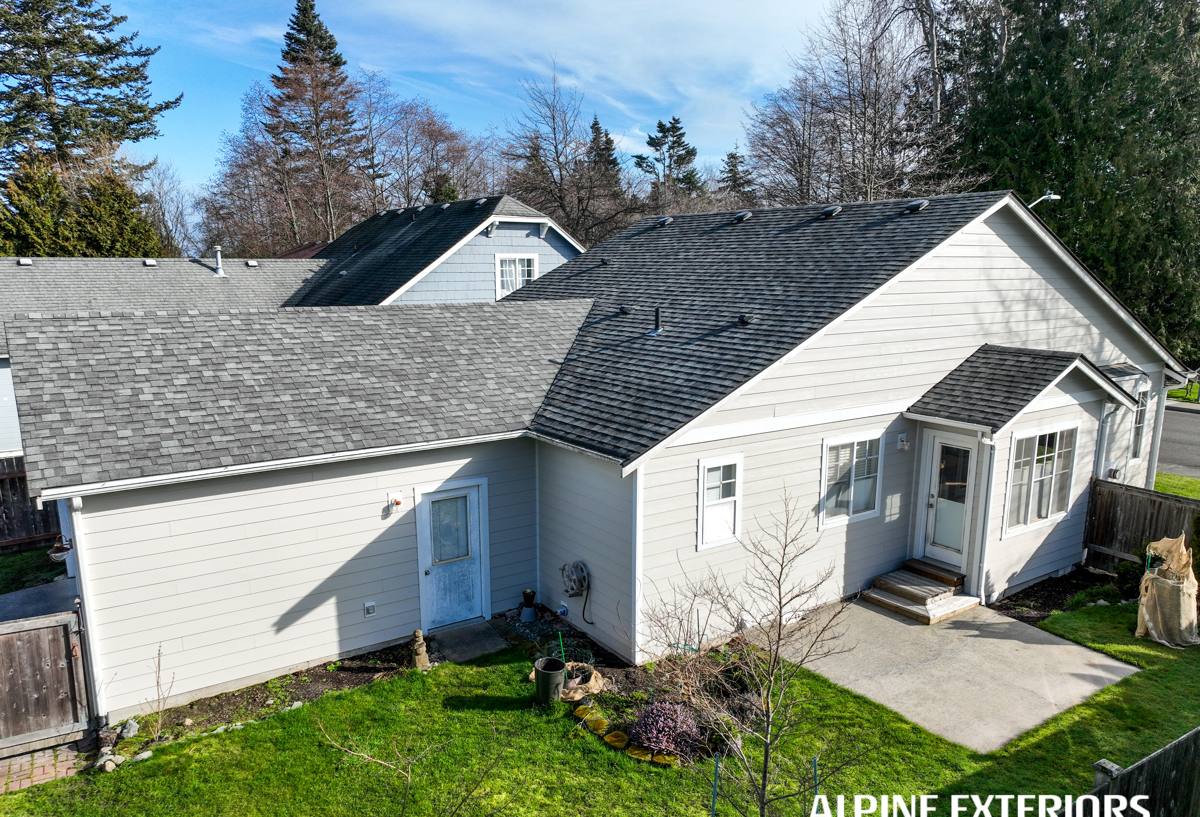
What Salt Air Actually Does to a Roof
Salt air isn't just a coastal talking point — it has a measurable effect on exposed metal. Flashing, fasteners, gutter hardware, and any exposed metal roofing components are all vulnerable to accelerated corrosion when they're regularly exposed to salt-laden moisture. This doesn't mean a roof near the water is doomed; it means the materials and details matter more here than they would on a home twenty miles inland.
Where We Pay Extra Attention
- Flashing material and coating quality around chimneys, skylights, and roof-to-wall transitions
- Fastener type and corrosion resistance, especially on exposed trim and ridge caps
- Gutter and downspout hardware, which takes constant moisture exposure
- Sealant condition at penetrations, since salt air can make some sealants brittle faster
When we're re-roofing or repairing a home in Sunnyland, we default to corrosion-resistant fasteners and flashing details built for coastal exposure rather than the minimum spec that might be fine somewhere drier. It costs a little more upfront and saves homeowners from repeat repairs down the road.
Driving Rain and the Details That Actually Keep Water Out
Whatcom County doesn't usually get the kind of rainfall totals that make headlines, but it does get sustained, wind-driven rain that hits roofs at an angle instead of falling straight down. That matters because a lot of roofing problems aren't about the field of the roof — they're about the details: how flashing is lapped, how underlayment is installed at valleys and eaves, and whether ventilation is allowing warm, moist air to escape instead of condensing under the deck.
Common Trouble Spots We See
- Valleys where water volume is highest and debris tends to collect
- Roof-to-wall step flashing that was installed without enough lap or lacks a proper kickout
- Low-slope sections or additions where standard shingle roofing isn't the right product
- Eaves without adequate underlayment protection against wind-driven rain and ice-adjacent moisture
A roof that looks fine from the driveway can still be letting water into the sheathing at these transition points. That's why our inspections focus as much on flashing and underlayment details as they do on the condition of the shingles or panels themselves.
Moss: The Slow-Motion Problem Sudden Valley Homeowners Know Well
Long, wet, mild winters are ideal growing conditions for moss, and Sunnyland's tree cover and lake-effect humidity keep roofs damp longer than open, sunnier sites. Moss isn't just cosmetic. As it spreads, it holds moisture against the roofing material, lifts shingle edges, and can work its way under laps and around fasteners over time. Left unaddressed for years, it shortens the roof's service life and can contribute to leaks that show up in unexpected places.
How We Approach Moss
- Gentle removal methods that don't strip granules or damage the roofing surface
- Zinc or copper control strips at the ridge on new installations, which release trace metals that discourage regrowth over time
- Trimming recommendations for overhanging branches that keep shaded areas damp longer than they need to be
- Realistic maintenance schedules instead of one-time treatments that don't hold up
We're upfront that moss control is ongoing maintenance in a climate like this, not a permanent fix. A roof in Sunnyland with good airflow, proper control strips, and periodic cleaning will hold up far better than one that only gets attention after moss is already visible from the street.
Choosing Roofing Materials That Make Sense Here
There isn't one right roofing material for every home, but there are trade-offs worth understanding before you decide. We walk homeowners through these honestly rather than pushing whatever's easiest to install.
| Material | How It Handles This Climate | Maintenance Considerations |
|---|---|---|
| Asphalt composition shingle | Solid, cost-effective performance; quality varies by product line | Needs periodic moss and debris removal; watch granule wear near valleys |
| Metal roofing | Sheds rain and moss well when detailed properly; coastal-grade fasteners recommended | Fastener and flashing corrosion resistance matters more near salt air |
| Wood shake/shingle | Traditional look, but moisture retention and moss growth are a real concern in this climate | Higher maintenance burden; requires diligent upkeep to avoid rot |
| Synthetic/composite | Good moisture resistance, consistent performance across the roof | Fewer moss-related issues; still benefits from proper ventilation |
For most homes in Sunnyland, we recommend materials with proven moisture resistance and coastal-appropriate hardware over anything that relies on constant upkeep just to perform adequately. That's a judgment call based on installation sensitivity and long-term maintenance burden, not a knock on any single product line.
Roofing Doesn't Work Alone — Siding, Windows, and Decks Matter Too
A roof is the first line of defense, but the same climate stressors — salt air, driving rain, and persistent moisture — affect the rest of a home's exterior. That's part of why we handle siding, windows, and decks alongside roofing instead of treating them as separate trades.
How the Systems Connect
- Siding: Poor roof drainage or failing flashing at wall intersections is one of the most common causes of siding damage we find on inspections
- Windows: Flashing above windows and doors needs to tie into the broader water management plan for the whole exterior, not just the roof
- Decks: Ledger board flashing where a deck attaches to the house is a frequent leak point, especially under the same driving rain conditions that stress the roof
Looking at the whole exterior as one water-management system, rather than fixing a roof in isolation, catches problems before they become expensive interior repairs.
What a Real Roof Inspection Looks Like
When we inspect a roof in Sunnyland, we're not just glancing at it from the ground. We look at the attic side as well as the exterior, because ventilation and insulation issues often show up as roof problems before they show up anywhere else.
Our Inspection Checklist
- Shingle or panel condition, including granule loss, curling, or lifted edges
- Flashing condition at all penetrations, valleys, and wall transitions
- Moss and organic growth, including how far it's progressed and where it's concentrated
- Gutter and downspout function, including whether water is actually being carried away from the foundation
- Attic ventilation and any signs of trapped moisture, staining, or condensation on the underside of the deck
- Overall structural condition of the decking where accessible
Homeowners get a plain-language explanation of what we found, what's urgent versus what can wait, and what it would cost to address — not a scare tactic sales pitch.
Repair, Recover, or Full Replacement
Not every roofing problem in Sunnyland means a full replacement. We look at the age of the existing roof, the extent of the damage, and whether the underlying decking is sound before recommending anything.
General Cost Factors to Expect
- Roof size and pitch complexity
- Material choice and whether tear-off of existing layers is required
- Extent of flashing, ventilation, or decking repair needed underneath
- Access difficulty, especially on steeper or tree-obstructed roofs
Some homes only need targeted flashing repair and moss remediation to add years of service life. Others, especially older roofs that have gone a long time without maintenance, are better served by a full replacement done right the first time. We'll tell you honestly which situation you're in.
Why a Local Whatcom County Crew Makes a Difference
Roofing crews that don't work in this specific climate regularly can miss the details that matter most here — the flashing lap needed for wind-driven rain, the fastener grade appropriate for salt exposure, or the ventilation setup that keeps moss from taking over a shaded north slope. We work on homes across Sudden Valley and the surrounding Whatcom County area, so these aren't hypothetical concerns for us — they're the conditions we plan for on every job.
Being local also means being reachable after the work is done. If something needs a follow-up look after a hard winter storm, we're not a crew that packed up and left the region.
If your roof, siding, windows, or deck could use an honest, no-pressure look, we're happy to come out and give you a straightforward assessment. Fill out the form below for a free estimate — no obligation, just a clear picture of where things stand.