 Sudden Valley Roofing
 Siding Built for Barkley's Specific Climate Challenges
Homes in and around Barkley sit inside one of the more demanding siding environments in Whatcom County. You've got moisture coming from several directions at once: driving rain off the water, humid air that lingers in the tree cover, and a moss season that can stretch from fall well into spring. Add in the salt-tinged air that moves through this part of the county, and you have conditions that will find every weakness in a siding system within a handful of years if the product or the installation isn't right for the job.
This isn't a generic "siding installation" page. It's specifically about what Barkley homes need from their siding, what a correct installation looks like in this area, and why we've built our whole business around one product system rather than offering a menu of options.
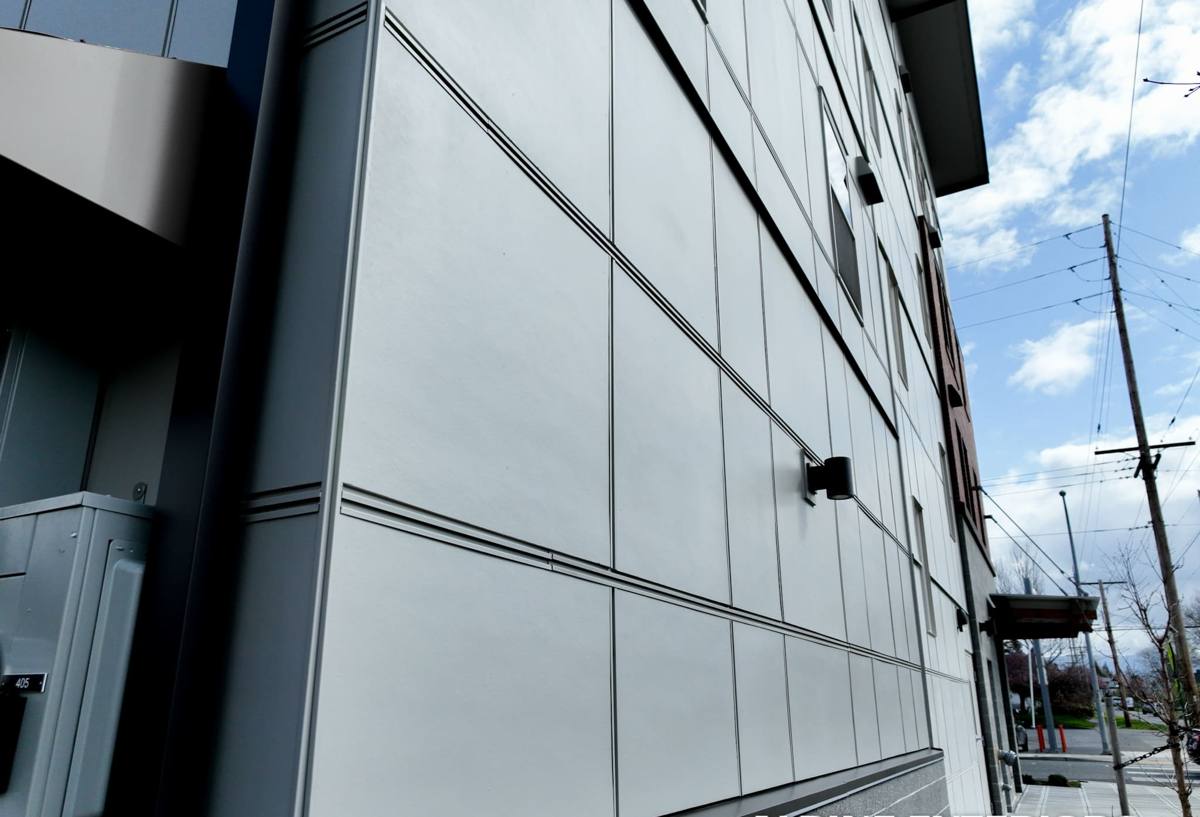
What Salt Air, Driving Rain, and Moss Actually Do to Siding
Salt Air
Salt-laden air accelerates corrosion on fasteners, flashing, and any exposed metal trim. It also degrades certain paint and coating systems faster than inland areas ever see, which means the finish on your siding has to be tougher than what a big-box product is typically rated for.
Driving Rain
Whatcom County storms don't just fall straight down — wind pushes rain sideways into wall assemblies, especially on homes with less overhang or on exposed elevations. Siding that isn't installed with the right laps, gaps, and flashing details will let that water behind the cladding, where it causes rot in sheathing and framing long before anyone sees a problem on the surface.
Moss and Prolonged Moisture
A long moss season means siding stays damp for extended stretches, especially on north-facing walls and anywhere shaded by mature trees — common around Barkley. Moisture-absorbent siding materials swell, hold that moisture, and eventually delaminate or rot. Non-absorbent materials with a durable factory finish simply shed water and dry out instead of breaking down.
What a Correct Siding Installation Actually Involves
Most siding failures we're called to inspect aren't a failure of the material — they're a failure of installation. Getting it right in this climate means paying close attention to details that are easy to skip:
- Proper water-resistive barrier (house wrap) installed and lapped correctly before any siding goes up
- Rainscreen or drainage gap where conditions call for it, so any water that gets behind the siding can drain and dry
- Correct fastener type, spacing, and depth — over-driven or under-driven fasteners are a leading cause of premature siding failure
- Flashing at every window, door, and roof-to-wall intersection, not just caulk
- Minimum clearance from grade, decks, and roof lines so siding isn't sitting in standing water or snow load
- Factory-finished cut edges sealed in the field to maintain the warranty and keep moisture out of raw material
- Caulking and joint treatment matched to the manufacturer's actual specifications, not general-purpose sealant
Skip any one of these and you can end up with siding that looks fine for a year or two and then starts failing from the inside out — usually right around the time it's too late to catch without opening up the wall.
Our Process for Barkley Siding Projects
1. On-Site Assessment
We look at your home's exposure — which walls take the worst of the wind-driven rain, where moss and moisture tend to collect, and what your current siding and sheathing condition actually is once we get close to it.
2. Scope and Product Plan
We walk you through the right James Hardie product line and profile for your home, plus any trim, flashing, or drainage details specific to your walls.
3. Prep and Moisture Barrier
Old siding comes off, sheathing gets inspected and repaired where needed, and a proper water-resistive barrier goes on before a single piece of new siding is installed.
4. Installation to Manufacturer Spec
Fastening, clearances, flashing, and joint treatment are all done to James Hardie's published installation requirements — this is what keeps your warranty valid and your walls dry.
5. Final Walkthrough
We go over the finished work with you, including caulking lines, trim details, and any touch-up paint needed at cut edges.
Why James Hardie Fiber Cement Is the Only Siding We Install
We install James Hardie fiber cement siding exclusively. We don't offer vinyl, LP SmartSide, Cemplank, Allura, primed spruce, or cedar — not because those products don't have a place in the market, but because after years of doing this work in Whatcom County's climate, we've standardized on the one system that consistently holds up to what this area throws at it.
James Hardie is fiber cement, not wood-based, so it doesn't swell, rot, or feed moss growth the way wood-fiber and untreated wood products can when they stay damp for long stretches. It's non-combustible, which matters for wildfire-adjacent insurance considerations even in a wet climate. The ColorPlus factory finish is baked on under controlled conditions and holds color and integrity far longer than field-applied paint typically does in a salt-air, high-moisture environment. Hardie also engineers specific product lines (its HZ5 line, for example) for climates with more moisture exposure, which is directly relevant to homes around Barkley and Sudden Valley.
None of this means other products are junk — it means we made a professional call to build our whole operation, our installation training, and our warranty backing around one system we trust completely, rather than spreading that expertise across five different products with five different failure modes.
Comparing Siding Options for Barkley's Climate
| Factor | James Hardie Fiber Cement | Vinyl | Wood / Primed Spruce / Cedar |
|---|---|---|---|
| Moisture behavior | Doesn't absorb or swell; sheds water | Doesn't absorb, but can warp and gap | Absorbs moisture; prone to rot and moss |
| Salt air resistance | Factory finish holds up well | Can chalk and become brittle over time | Finish breaks down faster; needs repainting |
| Fire rating | Non-combustible | Combustible | Combustible |
| Maintenance | Occasional wash; repaint decades out | Low, but cracks/fades don't repair well | Regular painting/staining and repair |
| Typical lifespan (installed to spec) | 30+ years | 20-30 years | Varies widely with upkeep |
Signs Your Barkley Home May Need New Siding
A quick walk around your home's exterior can tell you a lot. Watch for:
- Soft or spongy spots when you press on siding, especially near the bottom edges
- Persistent moss or algae growth that returns shortly after cleaning
- Visible warping, buckling, or gaps between siding panels
- Paint that's peeling, bubbling, or won't hold in certain spots
- Rising energy bills that could point to compromised insulation behind failing siding
- Interior wall staining or musty smells near exterior walls
Any one of these on its own isn't necessarily an emergency, but a few together usually mean water has already found its way behind the siding.
Cost Factors for Siding Installation in Barkley
Every home is different, so we don't quote a number until we've actually looked at your walls, but the factors that move the price are consistent:
| Factor | Why It Matters |
|---|---|
| Home size and wall complexity | More corners, dormers, and cutouts mean more labor and trim work |
| Sheathing condition | Rot repair found during tear-off adds material and time |
| Siding profile and accessories | Lap width, trim boards, and soffit work affect material cost |
| Access and site conditions | Steep grades, trees, and tight lot lines around Barkley can affect staging and labor |
| Existing siding removal | Some tear-offs are straightforward; others involve extra disposal or hazardous material handling |
We give straightforward, itemized estimates so you know exactly what you're paying for and why — no vague "per square foot" number without an actual inspection behind it.
Why Hiring a Crew That Already Works Barkley Matters
A crew that's already worked homes in and around Barkley and Sudden Valley knows the microclimate — which elevations take the worst weather, where moss builds up fastest, and how local permitting and inspection processes typically go in Whatcom County. That familiarity shows up in fewer surprises during the project and a finished job that's actually built for the conditions your home faces, not a generic install pulled from a manufacturer's minimum spec sheet.
It also matters for accountability. A local, established crew is the one you can call five or ten years down the road if a question comes up about your warranty or a detail on the install — not a company that moved on to the next region after your project wrapped.
If your Barkley home's siding is showing its age or you're planning ahead for a replacement, we're happy to take a look and walk you through what your home specifically needs. Reach out for a free, no-pressure estimate — there's no obligation, just an honest assessment of where things stand.