 Sudden Valley Roofing
 Board and Batten Siding Built for Silver Beach's Weather
Board and batten has become one of the most requested looks in Whatcom County — wide flat panels separated by narrow vertical strips, giving a home a clean, modern-farmhouse profile whether it's used across a full elevation or as an accent on gables and entries. It's a great style choice for Silver Beach. It's also a style that punishes a sloppy install faster than most, because every one of those vertical seams runs straight into the path of wind-driven rain.
We already work in and around Silver Beach and Sudden Valley, so we're not guessing at what this siding needs to do here. Homes in this part of Whatcom County deal with salt-laden marine air, rain that comes in sideways more often than straight down, and a moss season that can stretch from fall through spring. Board and batten siding has to shed water on purpose, not by accident, and it has to hold up to all three of those conditions at once, year after year.
What the Climate Asks of This Siding Style
Three things matter most for board and batten in this area:
- Salt air accelerates corrosion on exposed fasteners, trim screws, and any metal flashing that isn't rated for it.
- Driving rain pushes water sideways into vertical seams and butt joints instead of letting it run straight down and off, which is exactly where board and batten needs the most protection.
- A long moss season keeps siding surfaces damp longer than a drier climate would, especially on shaded or north-facing walls, which stresses any material that isn't fully sealed at its core.
None of that means board and batten is a bad choice for Silver Beach. It means the material and the installation details both have to be right for the conditions, not just for the look.
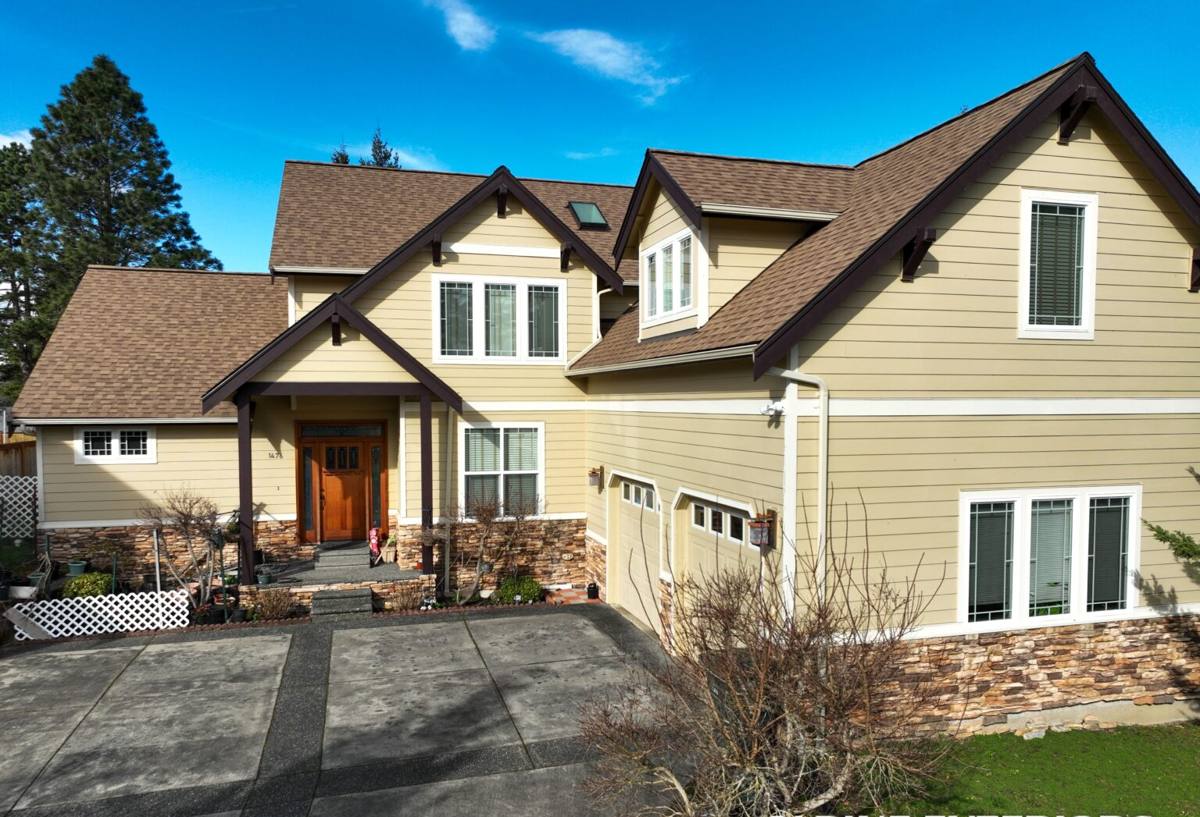
Why We Only Install Fiber Cement Board and Batten
Sudden Valley Roofing Co installs James Hardie fiber cement siding exclusively. We don't install vinyl board and batten, LP SmartSide, Cemplank, Allura, primed spruce, or cedar. That's not a marketing line — it's a standard we hold ourselves to because of what we've seen these products ask of a homeowner in this specific climate, and we think homeowners deserve the honest version of that comparison before they commit to a look for the next few decades.
Where the Alternatives Fall Short Here
Each of these products has real strengths, and they're not wrong for every climate:
- Primed wood or cedar board and batten gives you a genuine natural material and a look some homeowners specifically want. The trade-off is that raw wood absorbs moisture at every panel joint and batten seam, and in a climate with this much sustained dampness, that means a tighter repainting and re-caulking schedule to stay ahead of rot — especially at the bottom courses and any butt joints.
- Vinyl board and batten is affordable and low-maintenance in drier regions. But vinyl panels expand and contract with temperature swings, and the seams between panels aren't sealed the way a fiber cement joint can be. In a high wind-driven-rain area, water can work its way behind vinyl over time, and the material itself becomes more brittle with age and UV exposure.
- LP SmartSide and similar engineered wood products treat the wood strand core to resist moisture better than raw lumber, which is a real improvement. But it's still a wood-based core at heart, which means cut edges, seams, and fastener penetrations have to be sealed correctly and kept that way, or moisture finds a way in over time.
For a lot on open exposure near Silver Beach's shoreline conditions, that ongoing maintenance burden and moisture sensitivity is the trade-off we're not willing to install and then hand a homeowner a maintenance schedule they have to police forever. That's the honest reason we standardized on James Hardie fiber cement instead.
The James Hardie Board and Batten System We Install
James Hardie's board and batten products are purpose-built for this look, not lap siding pressed into a new shape. We typically use HardiePanel vertical siding with battens installed over the panel seams, or Artisan-line vertical panels where a homeowner wants a more refined reveal. Both are fiber cement — a mix of cement, sand, and cellulose fiber — which means the material itself doesn't absorb and swell with moisture the way wood or wood-composite products do, and it won't corrode or become brittle in salt air the way vinyl can.
We install Hardie's HZ5 formulation in this region, which is engineered specifically for climates with more moisture cycling — freeze-thaw swings, sustained damp seasons, and coastal exposure. It's finished with ColorPlus, a factory-applied, baked-on finish that holds color and resists fading far more consistently than field-applied paint, and it comes off the line already cured, so it isn't drying and settling on your wall the way a fresh paint job does.
Fasteners, Flashing, and Battens — the Details That Matter
The panel itself is only part of the system. What actually keeps water out of the wall is everything around it:
- Corrosion-resistant fasteners — stainless or hot-dip galvanized, not standard coated screws, given the salt air exposure this close to the water.
- A drainage gap behind the panel (a rain screen), so any moisture that does get past the surface has somewhere to go and dry out instead of sitting against the sheathing.
- Correct flashing at window and door heads, and kick-out flashing wherever a roofline meets a wall, so water is redirected away from the siding instead of running down behind it.
- Battens fastened through to framing, not just into the panel, with the reveal and spacing James Hardie specifies for the product line being used.
- Sealant used only where Hardie's install guide calls for it — at penetrations and specific joints, not as a substitute for proper flashing and drainage everywhere else.
Skip any one of these and you can still end up with moisture problems behind a product that's rated to resist them — the panel isn't the whole story.
What a Correct Installation Involves
A board and batten job that's done right follows the same sequence every time, regardless of how the final wall looks:
- Inspect the existing wall and sheathing for hidden rot, soft spots, or prior water damage before anything new goes up.
- Install or repair the water-resistive barrier (the weather wrap) so it's continuous and properly lapped.
- Set up a rain screen gap where the wall assembly calls for one, so the panels aren't installed flush against a barrier with no drainage path.
- Install panels and battens to the fastening schedule and reveal spacing James Hardie specifies for that product.
- Seal factory-cut and field-cut edges per manufacturer spec — an unsealed cut edge is one of the most common places moisture gets into an otherwise good installation.
- Detail flashing at every penetration, window, door, and roof-wall intersection before trim goes on.
- Final walkthrough to check reveals, fastener lines, caulking, and trim before we call it finished.
None of these steps are optional if you want the siding to perform the way it's rated to. Most of the board and batten problems we get called out to look at trace back to one of these being skipped, not to the material itself failing.
Comparing Board and Batten Siding Options for Silver Beach Homes
| Material | Moisture & Moss Resistance | Salt Air Durability | Ongoing Maintenance |
|---|---|---|---|
| James Hardie Fiber Cement (HZ5) | Core doesn't absorb or swell; factory finish sheds moss buildup more easily | Non-combustible core unaffected by salt; fasteners/trim still need corrosion-resistant hardware | Occasional rinse; no repainting needed for many years with ColorPlus |
| Primed Wood / Cedar | Absorbs moisture at joints; prone to holding dampness through moss season | No inherent resistance; trim and fasteners corrode at normal rates | Regular repainting and caulk inspection on a tight cycle |
| LP SmartSide (Engineered Wood) | Better than raw wood but still a wood-strand core sensitive to unsealed edges | No inherent resistance; relies on coating integrity | Edge sealing and caulk maintenance to protect warranty coverage |
| Vinyl Board and Batten | Doesn't absorb moisture itself, but seams can allow wind-driven rain behind panels | Can become brittle with age and UV exposure over decades | Low day-to-day maintenance; limited repair options if damaged |
Our Process, Start to Finish
When a Silver Beach homeowner calls us about board and batten, the process looks like this:
- We walk the property and look at wall exposure — which sides take the worst of the wind and rain, where moss and moisture already show up, and what the existing sheathing and trim look like.
- We talk through the look you're after — full board and batten, an accent application, or a mix with another Hardie profile — and which James Hardie color and product line fits it.
- We give you a written scope and estimate before any work starts, so there's no ambiguity about what's included.
- We handle tear-off, sheathing repair if needed, weather barrier, rain screen, and the full panel and batten install to manufacturer spec.
- We do a final walkthrough with you before we consider the job finished.
Maintaining Board and Batten Siding in a Moss-Prone Climate
Fiber cement cuts down on maintenance dramatically compared to wood or engineered wood, but "low maintenance" isn't "no maintenance" anywhere in Whatcom County. A few habits go a long way:
- Keep gutters clear so runoff doesn't sheet directly down the wall face during heavy rain.
- Trim back trees and shrubs near the siding to cut down on shade and trapped moisture that feed moss growth.
- Rinse the siding once or twice a year, especially on shaded or north-facing walls, before moss or algae gets a foothold.
- Check caulking around windows, doors, and trim annually and touch up anywhere it's cracked or pulled away.
- Watch fastener heads and metal trim for early rust streaking, which shows up faster this close to salt air.
- Look at the lowest courses of siding for splash-back staining from ground moisture and adjust grading or plantings if you see it.
Why Hiring a Crew That Already Works Silver Beach Matters
Board and batten installation instructions read the same in a manual no matter where the house sits. What changes is judgment — which walls need extra flashing attention because they take the brunt of the weather, where a rain screen gap matters more because of shade and moss exposure, and which fastener and hardware upgrades are worth it given how close a property sits to open water and salt air. That judgment comes from having installed and stood behind siding on homes in this specific area, not from a general install guide.
We're already working in Sudden Valley and the surrounding Whatcom County communities, so when we look at a Silver Beach home we're not learning the local weather patterns for the first time — we're applying what we already know about how this area treats an exterior wall.
If you're weighing board and batten for a Silver Beach home, we're glad to walk the property with you, look at your specific exposure, and put together a clear, no-pressure estimate — just fill out the form below.