 Sudden Valley Roofing
 Decks Built for Columbia's Wet, Mossy Climate
A deck in Columbia doesn't fail the way a deck fails in a dry climate. Out here, the enemy isn't UV breakdown or heat cracking — it's water that never fully leaves. Driving rain off the water, a marine layer that keeps everything damp longer than it should be, and a moss season that can stretch six months or more all work on wood and hardware year-round. A deck that looks fine in July can be hiding rot in the framing by the following spring if it wasn't built with this climate in mind from the start.
We build and repair decks for homes throughout Sudden Valley and the surrounding Whatcom County area, and Columbia's mix of tree cover, lake-adjacent moisture, and older housing stock means we see the same failure patterns over and over. Knowing those patterns ahead of time is what separates a deck that lasts fifteen-plus years from one that needs structural repair in five.
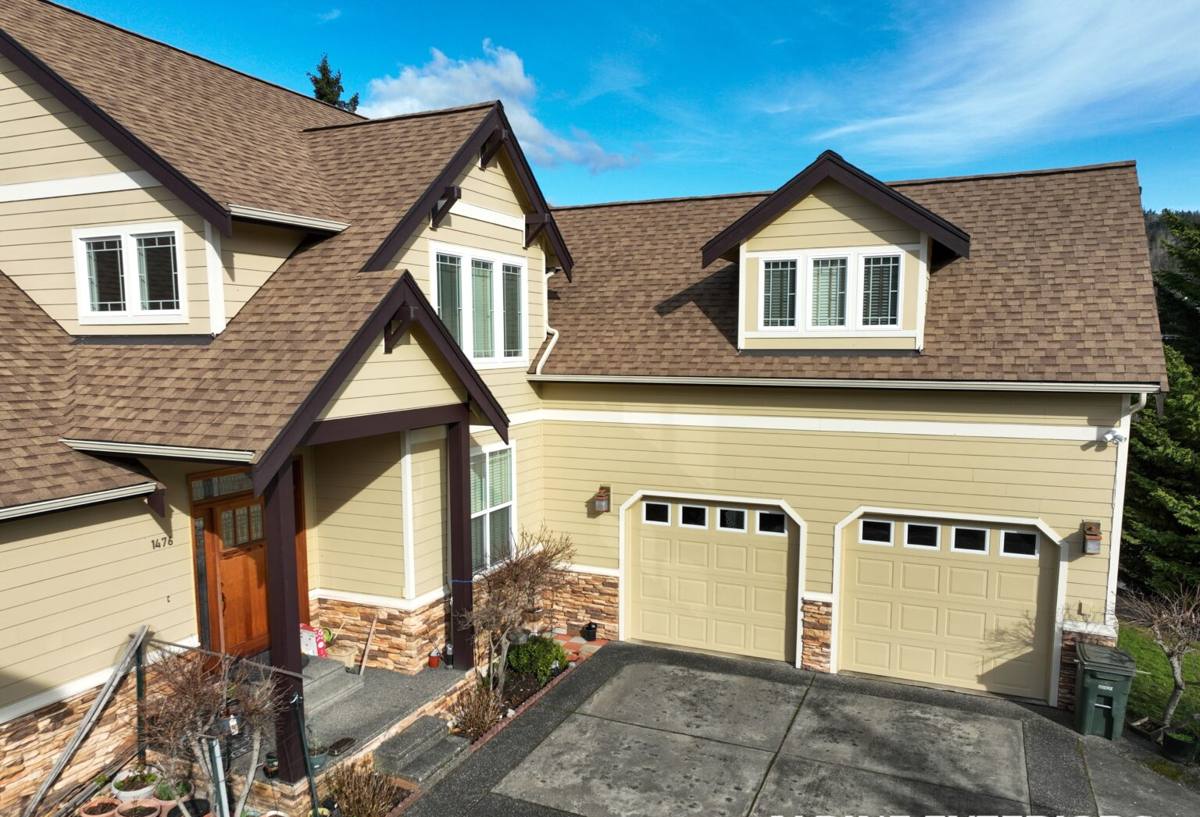
What Local Homes in Columbia Actually Need From a Deck
Every deck has to hold weight and look decent. In this area, it also has to manage water it can't avoid. That changes several decisions before a single board goes down.
Drainage first, aesthetics second
A flat, tight-fitting deck surface holds standing water and traps organic debris — needles, leaf litter, pollen — that feeds moss and algae. Board spacing, slope away from the house, and gap width all matter more here than in drier parts of the state.
Shade and tree cover change the math
Many lots in and around Columbia have heavy tree coverage, which is part of the appeal of living here but also means less sun exposure to dry the deck surface between rain events. A deck under a canopy of conifers will stay damp longer than one in the open, which affects both material choice and how often it needs cleaning.
Ground contact and moisture wicking
Posts, footings, and any framing near grade take the brunt of splash-back and soil moisture. Undersized or poorly protected footings are one of the most common structural issues we find on older decks in this area.
Choosing the Right Decking Material for This Area
There's no single "best" decking material — there's the right material for your budget, your maintenance appetite, and how much moisture your specific lot deals with. Here's how the common options actually perform in a wet, moss-prone climate like Columbia's.
| Material | Upfront Cost | Maintenance Needed | How It Handles Moss & Moisture |
|---|---|---|---|
| Pressure-treated wood | Lowest | Annual cleaning, re-staining every 2–3 years | Prone to moss and mildew if not sealed and cleaned regularly; can check and cup with repeated wet-dry cycles |
| Cedar | Moderate | Sealing every 1–2 years to keep natural rot resistance intact | Naturally more rot-resistant than pine, but still needs surface maintenance to stay moss-free |
| Composite decking | Higher | Occasional washing, no staining or sealing | Doesn't rot, but surface texture can still hold moss and algae in shaded, damp spots without cleaning |
| Capped composite / PVC | Highest | Low — periodic washing | Best moisture and moss resistance of the group; sheds surface water and doesn't absorb it into the board |
We install all of these depending on what a homeowner wants, but we're upfront about the trade-offs. Wood costs less to install and can look great, but it demands real upkeep in a climate this wet — skip a season of cleaning and sealing and you'll see it in the surface. Composite and capped composite cost more up front but shift the long-term burden away from staining schedules, which matters if you don't want deck maintenance on your annual to-do list.
What a Correctly Built Deck Involves
The visible decking boards are the smallest part of what makes a deck last. Most of the problems we're called out to fix started below the surface, at the framing, flashing, or footing stage — usually work that was rushed or skipped by whoever built the deck originally.
Ledger board flashing
Where a deck attaches to the house is the single most common point of water intrusion we see. Proper flashing — installed correctly, not just caulked and hoped for — keeps water from working its way behind the siding and into the wall framing over time.
Footings sized for the soil and load
Footings need to be sized and set below frost depth and set on solid, compacted ground. On sloped or heavily wooded lots common around Sudden Valley, that sometimes means going deeper or wider than a standard spec calls for.
Fasteners and hardware rated for the exposure
Standard fasteners corrode faster in a persistently damp, humid environment. We use hardware rated for the type of lumber and exposure involved, because a deck is only as strong as the connections holding it together.
Board spacing and airflow underneath
Tight board spacing looks clean on day one but slows drying and traps debris. Adequate under-deck airflow and correctly gapped boards let a deck actually dry out between the rain events that define our weather here.
Our Process for a Columbia Deck Project
- On-site assessment — we look at your lot's drainage, sun exposure, tree cover, and existing structure (if this is a replacement or repair) before recommending anything.
- Material and design discussion — we walk through the trade-offs above in terms of your actual budget and how much upkeep you want to take on.
- Permitting — most new decks and many significant rebuilds require a permit; we handle that coordination rather than leaving it on you.
- Demo and framing — old decking and, if needed, compromised framing come out; new footings, posts, and framing go in built to the standards above.
- Decking, railing, and finish work — surface material installed with proper spacing and fastening, railing set to code, and any finish work (stairs, skirting, lighting) completed.
- Final walkthrough — we go over care and maintenance specific to whatever material you chose so you know what keeping it up actually looks like.
Maintenance Checklist for Wet-Climate Decks
Whatever material your deck is built from, a few habits go a long way toward keeping moss and moisture from shortening its life:
- Sweep off needles, leaves, and debris regularly, especially under tree cover — this is what feeds moss growth
- Wash the surface at least once a year with a deck cleaner suited to the material (pressure washing can damage wood fibers and composite caps if done too aggressively)
- Check and clear gaps between boards so water and debris keep draining instead of pooling
- Re-seal or re-stain wood decking on the schedule the product calls for — don't wait until it looks weathered
- Inspect ledger flashing and any spots where the deck meets the house for signs of water staining or soft wood
- Look underneath the deck once a year for standing water, soft framing, or corrosion on hardware
Common Problems We Find on Older Decks in This Area
When we're called out to inspect an existing deck in Columbia or elsewhere in Sudden Valley, a handful of issues show up again and again: ledger boards with no real flashing, footings that were undersized or set too shallow, decking installed with boards butted too tight for drainage, and hardware that's visibly corroded well before the wood itself has failed. None of these are dramatic to fix at the framing stage — they're expensive and disruptive to fix after they've caused rot or a structural issue.
Repair or full rebuild?
Not every problem deck needs to come down. If the framing and footings are sound and the issues are limited to surface decking or railing, a partial rebuild can make sense. If the ledger connection has been leaking for years or footings are undersized, patching the surface just delays a bigger repair. We'll tell you honestly which category your deck falls into rather than defaulting to a full rebuild recommendation.
Why Hire a Crew That Already Works in Columbia
A deck built to a generic spec sheet can pass inspection and still underperform in this climate. Knowing that Columbia lots tend toward heavy shade, that footing depth needs matter more on sloped ground near the lake, and that moss pressure here means board spacing decisions carry more weight than they would in a drier region — that's the kind of judgment that comes from working this specific area repeatedly, not from a manual. We're already doing roofing and exterior work throughout Sudden Valley and the wider Whatcom County area, so we see how these homes age and what actually needs to change to hold up here.
If you're planning a new deck or dealing with an aging one in Columbia, we're happy to take a look and give you a straight assessment — no pressure, no upsell. Use the form below to request a free estimate.