 Sudden Valley Roofing
 Roof Repair Built for Deming's Weather, Not a Generic Checklist
Deming sits inland from the coast but still gets the full range of what Whatcom County weather throws at a roof: long stretches of steady rain, heavy shade from surrounding evergreens, and short, cool summers that never fully dry things out. Add in the salt-tinged air that moves through the region off the Sound and driving rain that comes in sideways during winter storms, and you've got a roof that ages differently than one in a drier climate. Roof repair here isn't about patching a hole and calling it done — it's about understanding why that hole formed in the first place and making sure it doesn't come back with the next atmospheric river.
We work on roofs throughout Sudden Valley and the surrounding Whatcom County communities, including Deming, and we see the same failure patterns over and over: moss working under shingle edges, valleys that collect debris and hold moisture, flashing that's corroded from years of damp exposure, and fascia or decking that's gone soft because a small leak went unnoticed for a season or two. A good repair addresses the actual cause, not just the visible symptom.
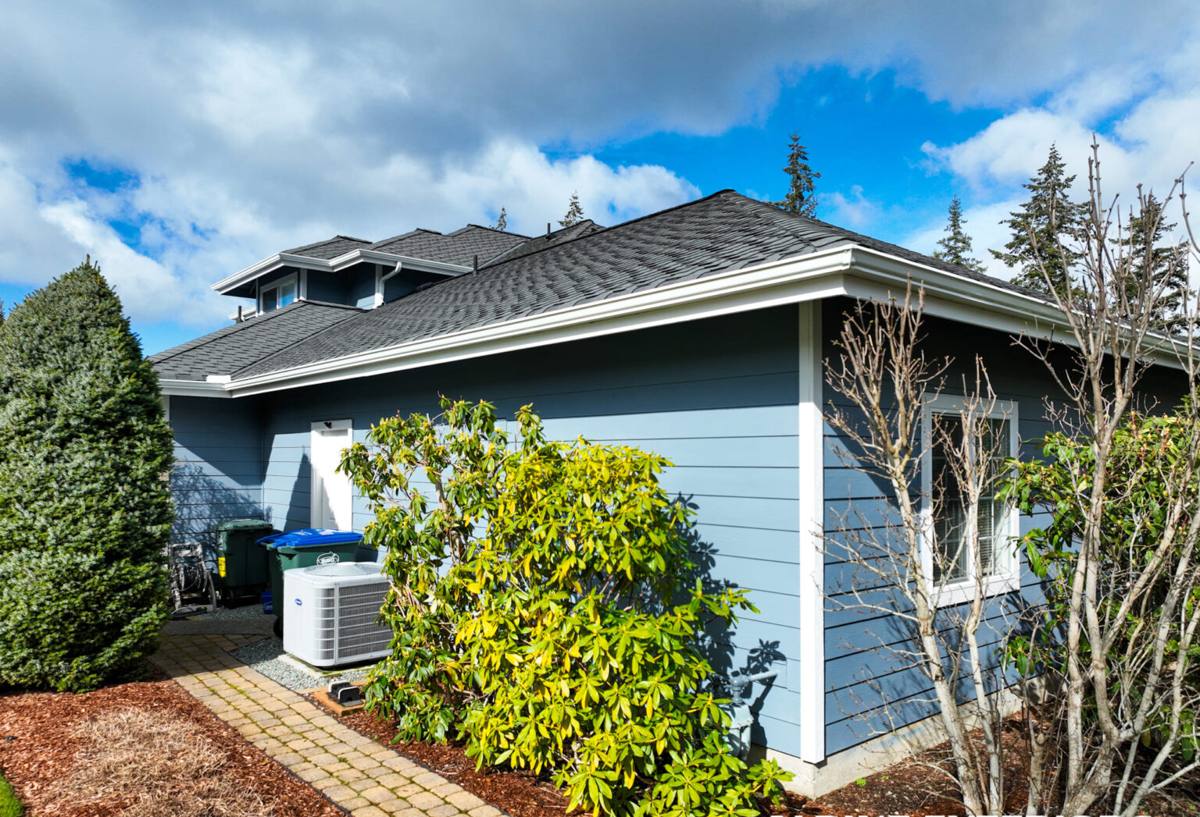
What Deming Homes Need From a Roof Repair
Homes in this area typically deal with heavier tree cover than roofs closer to open water or town centers. That shade keeps roofs cooler, but it also means slower drying after every rain event. Moss, lichen, and algae get a longer runway to establish themselves, and once moss roots into a shingle's granule layer, it lifts the edges and lets water track underneath even on a roof that still looks intact from the ground.
The combination of driving rain and prolonged dampness also puts extra stress on the details that keep water out: step flashing along walls and chimneys, valley metal, pipe boots, and the seals around vents. These are almost always where a "mystery leak" actually starts, even when the damage shows up somewhere else in the attic or ceiling.
Common Repair Needs We See in This Area
- Moss and organic growth lifting shingles at the edges and in shaded north-facing slopes
- Valley leaks from debris buildup and worn valley metal
- Cracked or brittle pipe boot seals letting water in around vents
- Flashing corrosion or gaps around chimneys and wall intersections
- Wind-lifted or missing shingles after winter storm systems
- Soft or discolored decking discovered during interior leak investigation
- Gutter and edge issues that push water back under the roof edge instead of off it
What a Correct Repair Actually Involves
A roof repair that holds up in this climate starts with finding the real source of the problem, not just the spot where water is showing up inside the house. Water travels — a stain on a ceiling can originate several feet away at a flashing failure or a nail pop. We inspect the full roof plane, not just the reported trouble spot, because a roof old enough to have one failure point is often close to having a second.
Our Process
- Inspection and diagnosis. We check the roof surface, flashing, penetrations, valleys, and attic (when accessible) to trace the leak to its actual source.
- Honest assessment. We tell you plainly whether this is a targeted repair, a larger repair, or a sign the roof is nearing the end of its useful life. We don't upsell repairs into replacements that aren't needed yet.
- Repair scope and estimate. You get a clear explanation of what failed, why, and what it takes to fix it correctly — in writing, before work starts.
- The repair itself. Matching materials where possible, proper flashing technique, correct fastening, and attention to how water will move across that section of roof once we're done.
- Cleanup and check. We clear debris, check adjacent areas for related wear, and make sure the repair ties in cleanly with the surrounding roofing.
Moss, Moisture, and the Long Game
A lot of roof repair calls in shaded, damp areas like this trace back to moss that was left to grow unchecked. Moss itself doesn't just sit on top of shingles — it holds moisture against the roof surface far longer than open rain exposure would, and its root structure works into shingle layers over time. By the time moss is visible from the street, it's often already affecting the shingles underneath.
We treat moss removal and repair together rather than as separate services, because cleaning moss off a roof that still has underlying granule or flashing damage doesn't solve the leak — it just makes the roof look better while the actual problem continues. Where moss has caused genuine damage, that section gets repaired properly, not just cleared and left.
Why We're Careful About What We Recommend for Moss-Prone Roofs
Some roofing products marketed as "algae-resistant" or "moss-proof" perform differently once they've been on a roof for a few damp seasons than they do in a showroom. Our standard is to recommend materials and repair methods based on how they actually hold up long-term in a climate like ours — not just their marketing claims — because a repair that fails again in three years costs you more than doing it right the first time.
Repair vs. Replacement: How We Make That Call
Not every leak means a new roof, and not every roof with visible wear needs full replacement. Part of an honest repair estimate is telling you which situation you're actually in.
| Sign | Usually Means |
|---|---|
| Isolated leak at one flashing point or penetration | Targeted repair |
| Moss buildup with shingles still structurally sound underneath | Moss treatment plus spot repair |
| Multiple leaks in different areas of the roof | Broader repair or roof assessment for age-related wear |
| Soft decking, widespread granule loss, or shingles curling across large sections | Likely nearing replacement, even if it's not leaking everywhere yet |
| Roof is within a few years of its expected lifespan and showing wear | Worth discussing replacement timeline alongside any repair |
We'll always repair a roof that can legitimately be repaired. We only recommend replacement when the numbers and the condition of the roof actually support it.
Why It Matters That We Already Work in This Area
Roofing in Deming and the surrounding Sudden Valley area isn't the same job as roofing in a drier inland climate or a wide-open coastal lot. Tree cover patterns, typical roof pitches, prevailing storm direction, and how long a given slope stays wet after rain all factor into how we diagnose and repair a roof here. A crew that regularly works this specific area has already seen how local weather behaves against real roofs through multiple wet seasons — which flashing details tend to fail first, which slopes hold moss longest, and which repairs actually hold up through the next winter's driving rain.
That local pattern recognition shortens the diagnostic process and reduces the odds of a repair that only addresses part of the problem.
What to Check Before You Call for a Repair
- Look for ceiling stains, especially after a heavy rain event, and note roughly where they are relative to the roof above
- Check the attic (if accessible) for damp insulation, dark staining on rafters, or daylight coming through anywhere it shouldn't
- Look at valleys and low-slope areas from the ground for visible moss, standing debris, or sagging
- Note whether the issue only shows up during or after wind-driven storms, which can point to a flashing or lifted-shingle problem rather than general wear
- Check gutters for granules, moss chunks, or debris that suggests shingle breakdown upstream
None of this replaces a proper inspection, but it helps us understand the situation before we're on the roof.
Timing Matters More Here Than in Drier Climates
A minor roof issue that would sit fine for months in a dry climate can turn into decking damage in a matter of weeks here, especially during the wetter months when a roof rarely gets a real chance to dry out between storms. Addressing a repair early — before moss establishes further or a small flashing gap turns into saturated decking — is almost always less costly than waiting until the damage has spread. If you've noticed a leak, a soft spot, or visible moss buildup, it's worth having it looked at before the next stretch of driving rain.
We offer free, no-pressure estimates for roof repair in Deming and throughout the Sudden Valley area. If you're dealing with a leak, storm damage, or a roof that just doesn't look right anymore, fill out the form below and we'll take a look and give you a straight answer about what it needs.