 Sudden Valley Roofing
 Why Yew Street Homes Need Windows Built for This Climate
Yew Street sits inside Sudden Valley, one of the wetter, greener pockets of Whatcom County, and that setting is hard on windows in ways that don't show up right away. The combination of driving rain off the water, humid air that never fully dries out between storms, and a moss season that stretches for months means window frames, sills, and seals are under near-constant moisture pressure for a large chunk of the year. Add in the salt-tinged marine air that reaches this far inland on a west wind, and you've got a slow, steady process that ages weak seals, tired glazing, and undersized frames faster than most homeowners expect.
An energy-efficient window isn't just about a lower heating bill, though that matters. In this climate it's really about keeping water out, keeping condensation off the glass, and keeping the frame from swelling, rotting, or corroding over a 15-to-20-year lifespan. A window that's efficient on paper but installed or specified wrong for this environment will underperform within a few winters.
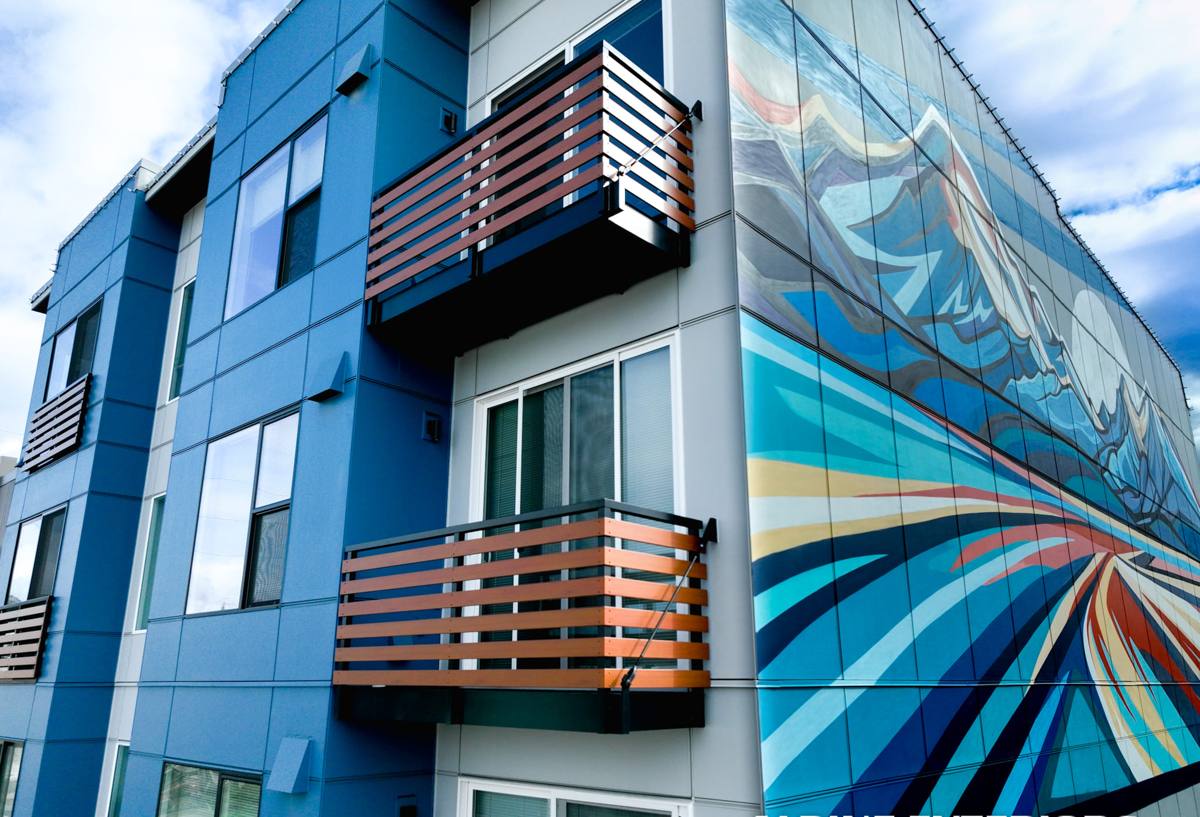
What Whatcom County's Weather Actually Does to a Window
Driving Rain and Wind-Driven Moisture
Storms here rarely come straight down. Wind pushes rain sideways into the wall assembly, which means the flashing detail around a window matters as much as the window itself. A unit with excellent glass but a poorly flashed rough opening will still leak, rot the sheathing behind it, and eventually stain interior trim.
Moss and Sustained Dampness
The same conditions that grow moss on a north-facing roof slope also keep window sills and lower frame corners damp for extended stretches. Wood components that stay wet longer than they stay dry are the first to fail — swollen sashes, soft sills, and paint that won't hold are the usual symptoms on older homes in this area.
Salt Air and Metal Hardware
Coastal-influenced air corrodes exposed fasteners, hinges, and lower-grade aluminum components over time. It's a slower process than direct oceanfront exposure, but it adds up over a couple of decades, especially on windows that face prevailing weather.
Temperature Swings and Condensation
Whatcom County winters aren't extreme, but the daily swing between a cold, damp exterior and a warm, humid interior is enough to fog up or frost single-pane and older double-pane glass. Persistent condensation between panes is usually the first visible sign that a seal has failed.
What "Energy-Efficient" Actually Means Here
Energy efficiency in a window comes down to a handful of measurable properties, not marketing language. For this climate, two ratings matter most:
- U-factor — how well the window resists heat loss. Lower is better; in Whatcom County we're generally looking for something in the 0.27–0.30 range or lower for new installations.
- Solar Heat Gain Coefficient (SHGC) — how much solar heat passes through the glass. Because our summers are mild and winters are cloudy more than cold, a moderate SHGC often serves this area better than the very low numbers used in hot, sunny climates.
- Air leakage rating — directly tied to draft complaints and to how much wind-driven rain can find its way past the sash.
- NFRC label — the independent rating sticker that lets you compare products honestly instead of trusting a brand's own claims.
Frame Material Comparison
| Frame Material | Moisture Performance | Maintenance | Typical Cost |
|---|---|---|---|
| Vinyl | Won't rot; seams and welds are the weak point in driving rain | Low — occasional cleaning | Lower |
| Fiberglass | Excellent — dimensionally stable, handles wet/dry cycling well | Low | Mid to higher |
| Wood (unclad) | Poor in this climate unless finish is maintained rigorously | High — repainting/refinishing needed | Mid to higher |
| Wood-clad (vinyl or aluminum exterior) | Good — exterior shell protects the wood core | Moderate | Higher |
| Aluminum | Poor thermal performance, prone to condensation, some corrosion risk in salt-influenced air | Low | Varies |
We generally steer Yew Street homeowners away from unclad wood and bare aluminum for street-facing or weather-exposed elevations. Not because the material is bad everywhere, but because bare wood needs a maintenance schedule most people don't keep up with in a climate this damp, and aluminum's thermal performance and moisture behavior work against you here. Clad wood, quality vinyl, and fiberglass all hold up better with realistic upkeep.
What a Correct Installation Involves
The window itself is maybe half the job. The other half is how it's integrated into the wall, and that's where most failures we get called out to inspect actually start.
Flashing and Water Management
A proper install includes a sloped sill pan, correctly lapped flashing tape that directs water out and down (never trapping it behind the siding), and a weather-resistive barrier that ties into the existing wall wrap. Skipping or shortcutting this step is invisible on install day and expensive five years later.
Air Sealing Without Trapping Moisture
Gaps around the frame need to be sealed for draft control, but packed too tight with the wrong material, insulation can hold moisture against the frame instead of letting it drain. We use low-expansion foam or backer rod and sealant rated for exterior use, not whatever's leftover from an interior job.
Proper Fastening and Shimming
A window that's out of square or under-shimmed will bind, won't seal evenly on all four sides, and puts uneven stress on the glazing seal — which shortens the life of the insulated glass unit.
Interior and Exterior Trim Detail
Exterior trim needs to shed water away from the joint, not funnel it toward the frame. Interior trim should go on only after the crew confirms the window is sealed and weathertight, not before.
Our Process for Yew Street Homeowners
- On-site assessment — we look at each opening individually: current frame condition, signs of past water intrusion, sun and wind exposure on that elevation, and what's driving the replacement (drafts, fogged glass, rot, or just an upgrade).
- Product recommendation — based on that assessment, not a one-size answer, we recommend frame material and glazing package suited to that specific wall's exposure.
- Accurate measurement and ordering — exact opening sizes, noted irregularities, and lead-time expectations communicated up front.
- Removal and inspection — old units come out carefully so we can check the sheathing and framing underneath for hidden rot or moisture damage before anything new goes in.
- Install with full flashing and air-sealing detail — as described above, done the same way whether it's one window or a whole house.
- Cleanup and walkthrough — every window operated and checked with you before we call the job done.
Signs Your Current Windows Are Costing You Money
- Condensation or fogging between the panes of double-pane glass (a failed seal, not a cleaning problem)
- Visible gaps, drafts, or a cold spot you can feel standing near the window in winter
- Soft, discolored, or swollen wood at the sill or lower corners
- Difficulty opening, closing, or locking — often a sign the frame has shifted or swelled
- Paint or finish that keeps failing in the same spot no matter how often it's redone
- Visible moss, black staining, or persistent damp streaks below the window on the exterior wall
- A noticeable jump in heating costs without any other explanation
Cost Factors to Understand Before You Get Quotes
| Factor | Why It Moves the Price |
|---|---|
| Frame material | Vinyl is typically the most affordable; fiberglass and clad wood cost more but often make sense on exposed elevations |
| Glazing package | Double vs. triple pane, low-E coatings, and gas fill all add cost and change performance |
| Full-frame vs. insert replacement | Full-frame replaces down to the studs and resets the flashing — more labor, but necessary when the existing frame or sheathing is compromised |
| Number and size of openings | Larger or custom-shaped windows cost more per unit and take longer to source |
| Access and site conditions | Second-story or hard-to-reach windows add labor time |
| Existing damage | Rot discovered behind an old frame needs to be repaired before a new window goes in — this is common enough in this climate that it's worth budgeting a contingency for |
| Trim and finish work | Matching existing interior or exterior trim profiles can add cost, especially on older homes |
Why Hiring a Crew That Already Works Yew Street Matters
Sudden Valley isn't a generic subdivision — homes here often fall under community association guidelines that can affect exterior changes, and lot orientation relative to the lake and prevailing weather varies block to block in ways that matter for window placement and exposure. A crew that's already worked in this neighborhood knows to check on association requirements before ordering materials, understands how a given street's exposure to wind and rain affects the flashing detail needed, and isn't guessing at how the local climate behaves through a full year of seasons.
There's also a practical scheduling reality: Whatcom County's rainy stretches aren't a surprise to a local crew. We plan installs around forecast windows so a wall isn't left open longer than necessary, and we know which times of year give us the most reliable stretch of dry-enough conditions to do the job right.
Maintenance That Protects the Investment
- Rinse frames and tracks a couple of times a year to clear pollen, moss spores, and grit before they hold moisture against the frame
- Check and clear weep holes on vinyl and fiberglass frames so water can drain instead of pooling
- Inspect exterior caulk lines annually and re-seal any cracked or separated joints before winter
- Watch for early condensation between panes — it's a warranty issue if caught early, a full replacement if ignored for years
- Keep gutters and downspouts clear nearby; overflow that runs down a wall is one of the most common causes of premature window and siding damage in this area
If your windows are drafty, fogged, hard to operate, or just original to a home that's due for an upgrade, we're happy to take a look and give you a straightforward, no-pressure estimate — no fake urgency, just an honest read on what your home actually needs. The form below is the fastest way to get started.