 Sudden Valley Roofing
 Why Siding Repair Looks Different in Geneva
Geneva sits close enough to the water and the timber line that its homes take a particular kind of beating. You get driving rain off the lake, salt-tinged air moving through on windier days, and a moss season that stretches from fall clean through spring. None of that is unusual for Whatcom County, but it adds up differently on siding than it does on a roof. Roofs shed water fast. Siding has to survive water sitting against it, running down it, and soaking into any gap or crack for months at a time. That's the difference between a repair that holds for another twenty years and one that quietly fails behind the wall.
When we get called out to a Geneva property, we're rarely looking at one obvious problem. We're looking at a pattern: moisture that found a weak point months or years ago and has been working on it ever since. Good repair work in this area means understanding that pattern, not just patching what's visible.
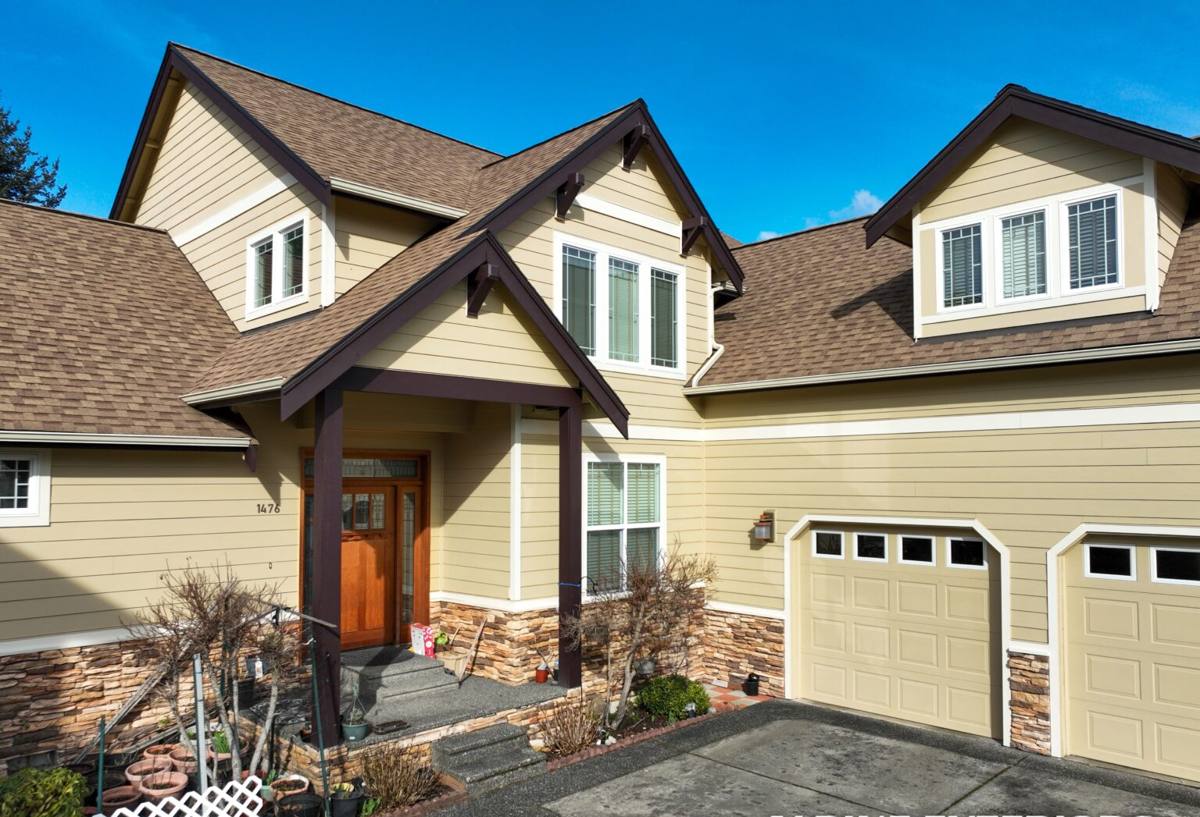
What Local Homes Actually Need From a Siding Repair
Moisture Management First
Any repair that doesn't address how water is getting behind the siding in the first place is a temporary fix. In Geneva, that usually means checking flashing at windows, doors, and roof lines; checking caulked joints that have dried out and cracked; and checking whether the original installation left any square-cut, unsealed edges exposed to weather. Salt-laden, moisture-heavy air accelerates all of these failure points compared to a drier inland climate.
Moss and Organic Growth
Moss doesn't just look bad. It holds moisture directly against the siding surface for extended periods, which is exactly the condition that causes rot in wood-based products and accelerates coating failure on anything not built for wet climates. A repair on a moss-prone wall needs to address the growth and the moisture retention that let it take hold, or it'll be back within a season or two.
Material That Can Take It
Whatever material goes back on the wall during a repair needs to hold up to the same conditions that caused the original damage. This is where a lot of repairs go wrong — patching damaged wood siding or vinyl with more of the same product just resets the clock on the same failure.
What a Correct Repair Actually Involves
A siding repair that's done right isn't just swapping a damaged board. It's a short sequence of steps, each one skipped by crews trying to move fast:
- Diagnose the moisture source. Find out why that section failed — flashing, caulk, grading, a gap at a penetration — before touching the siding itself.
- Open it up and inspect behind the surface. Check the water-resistive barrier and sheathing for hidden rot or staining. Surface damage is often smaller than what's happening underneath.
- Address the underlying cause. Re-flash, reseal, or correct whatever let water in, so the new material isn't set up to fail the same way.
- Replace with matched material, installed to spec. Correct fastening, correct clearances, correct joint treatment — not just "close enough."
- Finish and seal properly. Paint-grade caulking and touch-up finishes that are actually rated for the exposure the wall sees.
Why We Install Only James Hardie Fiber Cement
We don't install vinyl, LP SmartSide, Cemplank, Allura, primed spruce, or cedar. That's a deliberate standard, not a sales pitch, and it matters most on repair calls like the ones we run in Geneva.
Wood-based and wood-composite sidings are organic material. In a climate with sustained moisture and a long moss season, that means an ongoing maintenance burden — repainting, resealing edges, and watching for the first signs of rot at every joint and cut end. Vinyl handles water fine on its face but relies entirely on what's behind it to actually keep a wall dry, and it can warp or become brittle over time with sun and temperature swings. None of these are junk products; they're just products with real trade-offs that show up hardest in exactly the conditions Geneva deals with.
James Hardie fiber cement is non-combustible, doesn't support rot the way wood does, and holds its factory-applied ColorPlus finish far longer than field-applied paint on wood or composite siding. Hardie's HZ product lines are engineered specifically around climate exposure — including moisture and humidity — which is the exact issue driving most of the repair calls we see in this area. It also carries a strong transferable warranty, which matters on a repair: you're not patching a wall with material that's going to age differently than everything around it.
| Factor | Wood / Composite Siding | Vinyl Siding | James Hardie Fiber Cement |
|---|---|---|---|
| Moisture resistance | Vulnerable at cut ends and joints; needs sealing/repainting | Face resists water; depends on barrier behind it | Engineered for moisture exposure; doesn't rot |
| Moss/organic growth | Holds moisture, feeds growth if untreated | Resists growth but traps moisture behind panels if damaged | Non-organic surface, doesn't feed growth |
| Finish longevity | Field-applied paint, needs recoating every few years | Color molded in but can fade/chalk over time | Factory ColorPlus finish, long warranty period |
| Fire resistance | Combustible | Can soften/deform in high heat | Non-combustible |
| Ongoing maintenance | Higher — recurring paint and seal work | Low, but repairs can be visually mismatched over time | Low — occasional cleaning and caulk checks |
Signs Geneva Homeowners Shouldn't Ignore
- Soft or spongy spots when you press on the siding, especially near the bottom of walls or under windows
- Persistent dark streaking or green/black growth that comes back shortly after cleaning
- Paint that's bubbling, peeling, or failing faster than it should on one section of the house
- Visible gaps or cracked caulking at siding joints, corners, or around trim
- A musty smell in an interior room that backs onto an exterior wall
- Warped, bowed, or separating boards or panels, especially on north- or west-facing walls that see the most weather
How Our Process Works
We start with an on-site inspection, not a guess from a photo. That means walking the affected areas, checking for hidden moisture with a moisture meter where needed, and identifying the actual cause rather than just the visible symptom. From there we give you a straightforward assessment: what's damaged, why, what needs to happen to fix it correctly, and what it'll cost. If a section needs to be opened up to check the sheathing, we tell you that up front rather than discovering it mid-job and surprising you with change orders.
For repairs where the surrounding siding is aging out or was never fiber cement to begin with, we'll also give you an honest read on whether a full re-side makes more sense than continuing to patch a wall that's going to keep generating repair calls. That's not an upsell — it's the same math you'd want if it were our own house.
Cost Factors on a Siding Repair
| Factor | Why It Affects Cost |
|---|---|
| Extent of hidden damage | Rot found behind the surface means more sheathing and barrier work, not just board replacement |
| Accessibility of the section | Second-story or hard-to-reach walls take more time and equipment |
| Matching existing siding | Color and profile matching on an older Hardie installation, or transitioning a repaired section toward Hardie, affects material sourcing |
| Root-cause repairs needed | Reflashing, resealing penetrations, or correcting grading adds scope beyond the siding itself |
| Number of separate damaged areas | Multiple isolated repair spots cost more in aggregate than one contiguous section |
Why a Crew That Already Works Geneva Matters
A contractor who's already worked on homes in this area knows what tends to fail here and why, before they even pull the first board. They know how much moss pressure to expect on a shaded north wall, how the local rain pattern drives water at certain elevations and orientations, and what flashing details tend to have been done wrong on older homes in Whatcom County. That local knowledge shortens the diagnostic phase and means fewer surprises once the wall is opened up. It also means we're not learning on your house — we've already seen the failure patterns that show up around Sudden Valley and Geneva specifically, and we build the repair to hold up against them, not just to look finished on day one.
If you're dealing with damaged, aging, or failing siding on a Geneva home, we're happy to come take a look. The estimate is free, there's no pressure, and you'll get a straight answer about what's actually going on with your walls — use the form below to get started.