 Sudden Valley Roofing
 Siding Replacement Built for Sehome's Weather, Not Just Its Curb Appeal
Sehome homes take a beating that's easy to underestimate. The combination of driving rain off the water, salt-laden air, and a moss season that can stretch nine months or more puts constant pressure on whatever material is nailed to your exterior walls. Siding here isn't just cosmetic — it's the single layer standing between your framing and a climate that rarely gives a house a dry, calm month to recover. When we replace siding in Sehome, we start from that reality, not from a catalog of colors.
This page is specifically about siding replacement for Sehome homes, not a generic overview. We'll walk through what the local climate actually does to different siding materials, what a correctly installed job looks like, how our process works from first call to final walkaround, and why we've standardized on one product system instead of offering a menu of options.
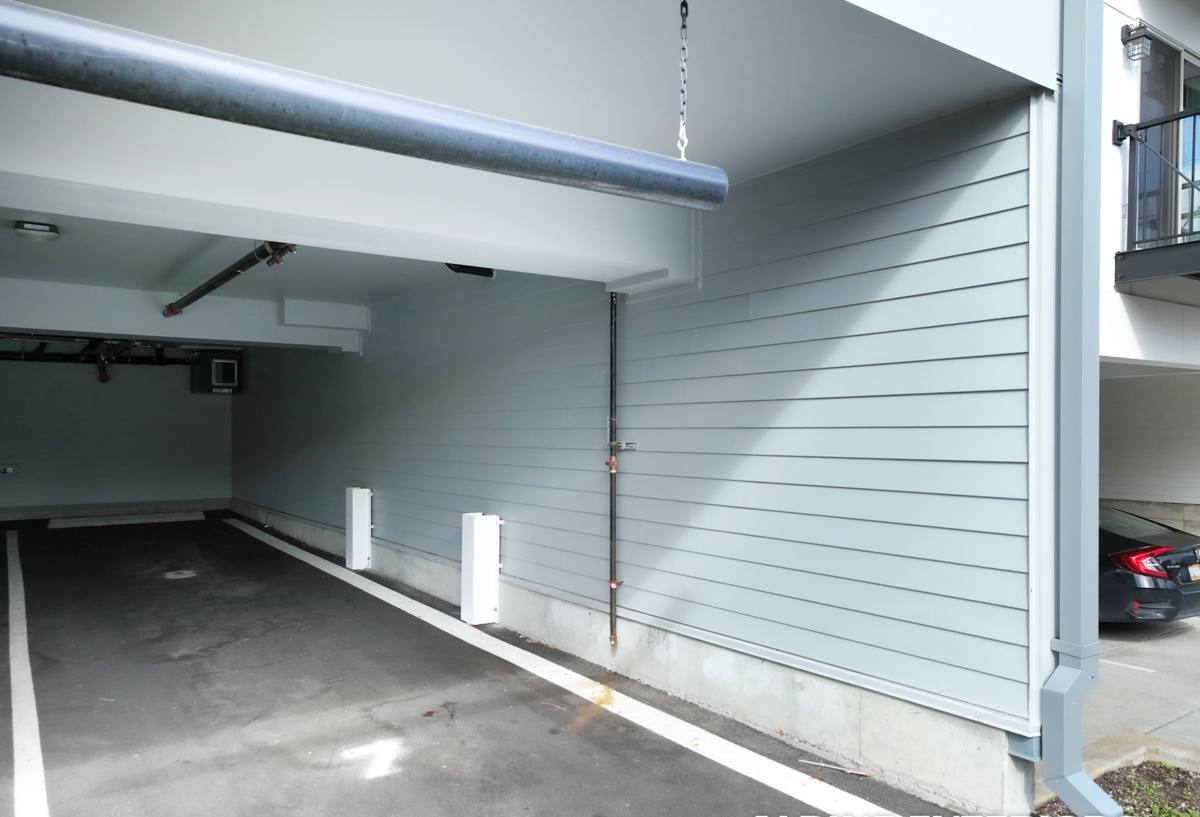
What Whatcom County's Climate Actually Does to Siding
Moisture Is the Constant Enemy
Sehome doesn't get flash floods — it gets slow, sustained, months-long dampness. That kind of moisture doesn't just sit on the surface; it works into seams, fastener holes, and any gap where the original installation cut a corner. Wood-based products swell and contract with that moisture cycle, and over years that movement telegraphs through paint as cracking, checking, and eventually rot at the most vulnerable points: bottom edges, butt joints, and corner trim.
Salt Air Accelerates Everything
Homes closer to the water deal with airborne salt that speeds up corrosion on fasteners and metal trim, and it also degrades certain coatings faster than inland siding installations. It's a slower process than storm damage, but it's relentless — a house that looks fine at year five can be showing real wear by year twelve if the siding and fastening system weren't chosen with that exposure in mind.
Moss and Algae Season Runs Long
With shade, moisture, and mild temperatures for most of the year, Sehome's north-facing walls and anything under tree cover are prime real estate for moss and algae growth. Beyond looking bad, moss holds moisture directly against the siding surface for extended periods, which is exactly the condition that causes rot in wood products and accelerates coating breakdown on lower-grade composites.
Signs Your Sehome Home's Siding Has Reached the End of Its Service Life
Some warning signs are obvious. Others hide behind paint or trim until the damage is already structural. Walk your exterior and check for:
- Soft or spongy spots when you press on siding near the bottom courses or around windows
- Paint that's cracking, peeling, or "alligatoring" faster than a normal repaint cycle would explain
- Visible gaps opening up at seams, corners, or where siding meets trim
- Persistent moss or dark staining that comes back within a season or two of cleaning
- Warping, bowing, or boards that no longer sit flat against the wall
- Rising energy bills that suggest air and moisture are getting past the exterior envelope
- Visible fastener corrosion — rust streaks bleeding down from nail heads
Any one of these can often be repaired locally. Several together, especially combined with the age of the siding, usually means replacement is the more honest recommendation than another round of patching.
Why We Install Only James Hardie Fiber Cement
We used to get asked why we don't offer vinyl, LP SmartSide, or cedar as options. The honest answer is that we looked at how each of those materials actually performs in a climate like Whatcom County's over a 20-plus year timeline, not just how they look on installation day, and we decided we'd rather stand behind one product system we trust completely than offer several we'd have reservations about.
| Material | What It Gets Right | Where It Struggles Here |
|---|---|---|
| Vinyl | Low upfront cost, low maintenance day-to-day | Can warp or crack in temperature swings; seams and thin panels are vulnerable to driving rain intrusion; not fire-rated |
| LP SmartSide / engineered wood | Wood look, easier to install than real wood | Wood-based core is still moisture-sensitive; edge swelling is a known issue if caulking and flashing aren't perfect and stay perfect |
| Cedar / primed spruce | Authentic natural look, repairable | Highest maintenance burden of any option; repainting and moisture management are ongoing costs, especially under moss-prone shade |
| James Hardie fiber cement | Non-combustible, factory-cured finish, engineered for wet climates, strong transferable warranty | Higher install skill required; heavier material, more labor-intensive install |
None of those other products are bad in every application — vinyl works fine in plenty of climates and budgets, and cedar has a look some homeowners genuinely want. But for a house that's going to sit through decades of Whatcom County rain, salt exposure, and moss, we decided the trade-offs on maintenance and moisture behavior weren't ones we wanted to put our name behind. Fiber cement doesn't have a wood core to swell, and it doesn't rely on a thin, flexible skin to keep water out.
What James Hardie Brings Specifically
James Hardie engineers its siding lines by climate zone, and the products specified for the Pacific Northwest are built around exactly the conditions Sehome deals with — sustained moisture and freeze-thaw cycling. The ColorPlus factory finish is baked on under controlled conditions, which gives a more consistent, longer-lasting coating than field-applied paint can typically match, and it comes with its own finish warranty separate from the substrate warranty. It's also non-combustible, which matters in a region where wildfire smoke and ember exposure have become a more regular late-summer concern.
What a Correct Siding Replacement Job Actually Involves
The material is only half the equation. A lot of siding failures we see in Sehome trace back to installation shortcuts, not the product itself. Done right, a replacement includes:
- Full tear-off and inspection — removing old siding to expose the sheathing and check for hidden rot, especially around windows, corners, and the bottom plate
- Sheathing repair — any water-damaged wood gets replaced before anything new goes back on; covering over rot just hides the problem
- Weather-resistive barrier — a properly lapped and sealed moisture barrier behind the siding, which is the layer that actually keeps bulk water out of the wall assembly
- Correct flashing details — window heads, door tops, and any horizontal trim need flashing that sheds water outward, not just caulk covering a gap
- Manufacturer-spec fastening — James Hardie has specific nailing patterns, fastener types, and clearance requirements, and following them is what the warranty is actually contingent on
- Proper clearances — siding held off decks, roofs, and grade by the specified gap so it can drain and dry instead of wicking moisture
- Finish and caulk detailing — corners, trim, and penetrations sealed with products rated for this climate, not whatever's cheapest at the hardware store
Skip any one of those steps and you can end up with siding that looks right for a few years and fails early anyway — which is a frustrating way to spend a siding budget.
Our Process, Start to Finish
1. On-Site Assessment
We walk the exterior with you, check for hidden moisture or rot, and talk through what we're seeing honestly — including if a smaller repair is a legitimate option instead of full replacement.
2. Written Estimate
You get a clear scope of work and pricing before anything starts, with the product line, color, and trim details spelled out — no vague allowances.
3. Tear-Off and Prep
Old siding comes off, sheathing gets inspected and repaired as needed, and the weather barrier goes on correctly before a single new board is hung.
4. Installation to Manufacturer Spec
Fastening, flashing, and clearances follow James Hardie's published requirements, which is what keeps the manufacturer warranty valid and the wall assembly performing the way it's supposed to.
5. Final Walkthrough
We go over the finished job with you, point out anything worth knowing about maintenance, and make sure you're satisfied before we consider the job done.
What Affects the Cost of Siding Replacement in Sehome
| Factor | Why It Matters |
|---|---|
| Home size and wall complexity | More corners, gables, and dormers mean more cutting, flashing, and labor time |
| Extent of hidden damage | Rotted sheathing found during tear-off adds material and labor before new siding can go on |
| Siding profile chosen | Lap width, panel style, and trim details all affect material and installation time |
| Access and site conditions | Steep lots, tight setbacks, and mature trees common in wooded Sehome neighborhoods can add setup time |
| Color and finish | Factory ColorPlus finishes are priced differently than primed-for-paint options |
| Trim and detail work | Window and door surrounds, corner boards, and fascia detailing add labor beyond the flat wall area |
We don't publish a flat per-square-foot number because the honest answer genuinely depends on what we find once we're on your walls — but we'll always give you specifics in writing before work begins, not a vague range you have to guess at.
Why It Matters That We Already Work in Sehome
Siding installation isn't identical everywhere. A crew that mostly works drier inland climates can install a product technically "to code" and still get the moisture details wrong for a place like Sehome, where the wall assembly needs to handle sustained wet weather, not just occasional rain. Working regularly in Whatcom County means we're used to the specific failure points this climate creates — where moss builds up, which wall orientations take the worst driving rain, and how salt air and freeze-thaw cycling actually play out over years, not just on a spec sheet.
It also means we're not learning on your house. The flashing details, fastener spacing, and clearance requirements that keep James Hardie siding performing for decades are the same details we've been executing on homes throughout this region — and getting them right the first time is a lot cheaper than fixing a moisture problem five years in.
Get a Straight Answer About Your Siding
If your Sehome home's siding is showing wear, or you're just trying to figure out whether repair or replacement makes more sense, we're happy to take a look and give you an honest read — no pressure, no inflated scope. Use the form below to request a free estimate.