 Sudden Valley Roofing
 Fiber Cement Siding Built for Silver Beach's Waterfront Exposure
Silver Beach sits close to the water, and that changes what a siding job needs to survive. Homes here take a steady mix of salt-tinged air off the lake, driving rain that comes in sideways during winter storms, and long stretches of shade from surrounding trees that keep siding damp far longer than homes on open, sunny lots. We've worked enough houses in this pocket of Sudden Valley to know that the siding choice and the install details matter more here than in a dry inland neighborhood a few miles away.
This page covers exactly one thing: James Hardie fiber cement siding installed on Silver Beach homes, what the local conditions demand from the material and the crew, and how we handle it from first look to final walk-through.
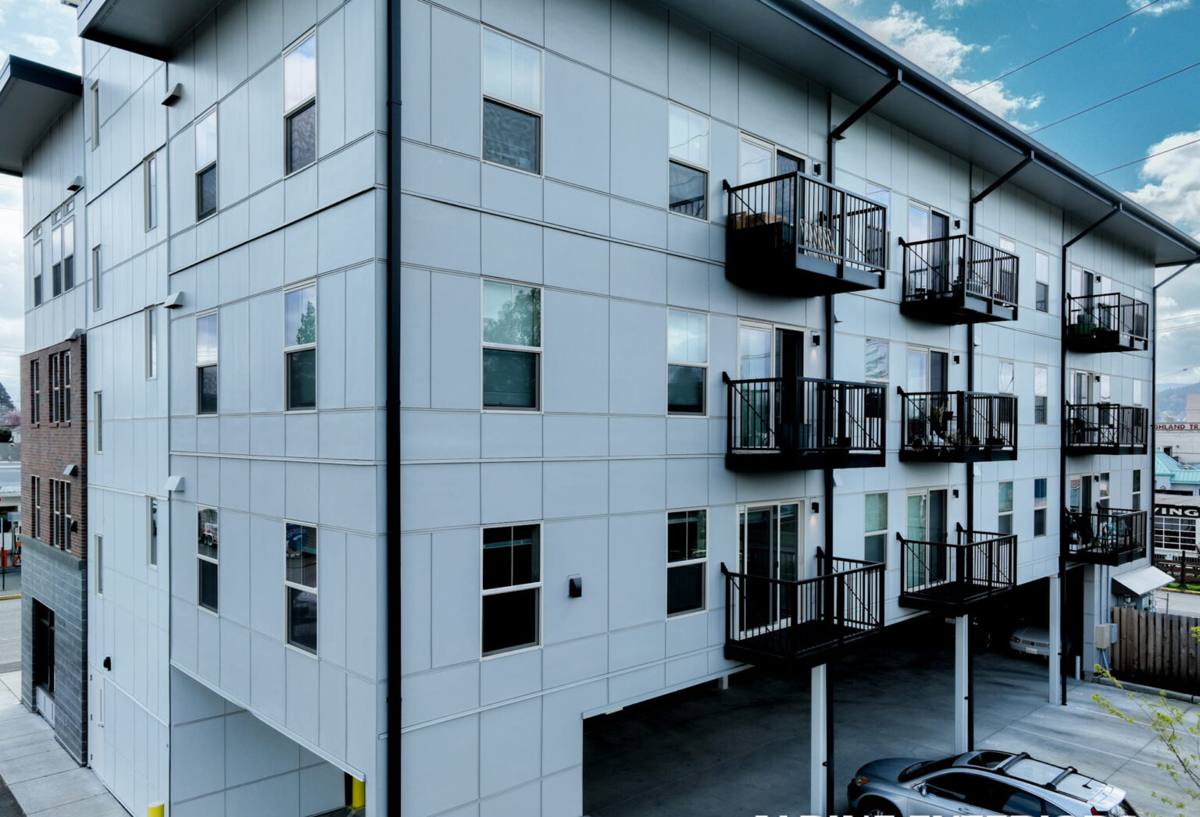
What Silver Beach's Climate Actually Does to Siding
Salt Air and Moisture Combined
Proximity to the water means airborne moisture carries trace salts that accelerate corrosion on fasteners, flashing, and any exposed metal trim. It's not the same intensity as a true ocean coastline, but it's enough that we treat fastener selection and flashing detail as non-negotiable on every Silver Beach job, not an upgrade.
Driving Rain and Wind-Driven Wetting
Whatcom County's winter storms don't just drop rain straight down — wind pushes it sideways into wall assemblies, especially on gable ends and anything facing open water or a clearing. Siding that isn't lapped, flashed, and sealed correctly at penetrations will let water track behind the cladding long before anyone sees a stain on the surface.
Moss, Shade, and Slow Drying
Tree cover that gives Silver Beach its character also means many walls stay shaded and damp for days after a storm. That's the same condition that grows moss on roofs, and it's just as real on siding — organic growth needs sustained moisture to take hold, and shaded, poorly ventilated wall sections are exactly where it happens. A siding product and installation that manage moisture well matter more here than on a south-facing lot in full sun.
Why We Only Install James Hardie Fiber Cement Here
We standardized on James Hardie fiber cement for every siding job we do, including Silver Beach, for reasons that line up directly with what this microclimate throws at a house:
- Non-combustible core — fiber cement doesn't feed a fire the way wood-based products can, which matters as a baseline safety standard regardless of location.
- Factory-applied ColorPlus finish — baked-on finish resists the fading and moisture intrusion that field-applied paint struggles with, especially on shaded, damp walls that never fully dry between rains.
- HZ5 engineering — Hardie's HZ5 product line is formulated for climates with sustained moisture and freeze-thaw cycling, which fits the Pacific Northwest better than a generic all-climate board.
- Dimensional stability — fiber cement doesn't swell, cup, or rot the way engineered wood siding can when it stays wet for extended periods, which is a real risk on shaded Silver Beach walls.
- Transferable warranty — a written, transferable product warranty backed by installation to Hardie's spec, which protects the investment for whoever owns the house next.
We don't install LP SmartSide, vinyl, Cemplank, Allura, or raw cedar/spruce siding. Each of those has legitimate uses somewhere, but none of them match what a shaded, wet, salt-touched Silver Beach wall needs as well as correctly installed Hardie fiber cement does. Our position is a professional standard, not a knock on every alternative in every setting.
What a Correct Fiber Cement Install Looks Like on a Silver Beach Home
Water Management Comes First
Before a single course of siding goes up, the wall needs a proper drainage plane: weather-resistant barrier, correctly lapped and taped seams, and rainscreen furring where the wall assembly calls for it. On shaded, slow-drying walls, a rainscreen gap that lets bulk water drain and air circulate behind the siding is often the difference between a wall that dries out between storms and one that stays damp long enough to grow moss or invite rot in the sheathing.
Flashing at Every Penetration
Windows, doors, deck ledgers, hose bibs, vents — every penetration is a place water can get behind the siding if flashing isn't detailed correctly. Given the driving rain this area sees, we treat flashing as the part of the job that determines whether the siding actually performs, not just how it looks.
Fastener and Trim Choices That Account for Salt Air
We use corrosion-resistant fasteners and hardware appropriate for the exposure, and we follow Hardie's fastening schedule exactly — proper spacing, correct embedment depth, and no over-driving, which cracks the board and creates a moisture entry point.
Caulking and Joint Treatment
Butt joints, corners, and trim intersections get sealed with a high-quality sealant rated for exterior movement and moisture exposure — not the cheapest tube on the shelf. On a shaded wall that stays wet longer, a joint that fails early is a joint that lets water in for months before anyone notices.
Fiber Cement Line Comparison for This Setting
| Product Line | Best Use on a Silver Beach Home | Why |
|---|---|---|
| HardiePlank Lap Siding | Most exterior walls, standard field siding | Widest color range, proven lap performance against driving rain |
| HardiePanel Vertical Siding | Gable accents, board-and-batten looks | Clean modern look, pairs well with lap siding for accent walls |
| HardieTrim | Corners, fascia, window/door trim | Matches the fiber cement moisture profile of the field siding, avoiding mismatched materials at joints |
| HardieSoffit | Eaves and overhangs, especially shaded ones | Vented options help shaded, damp overhangs dry out and ventilate the attic |
Our Process for Silver Beach Jobs
- On-site assessment — we walk the exterior, check for existing moisture damage, note shaded and exposed sections separately, and inspect the current wall assembly before quoting anything.
- Written scope and product plan — which Hardie lines, colors, and trim details fit the house, plus exactly what water management upgrades (rainscreen, flashing, WRB) the job needs.
- Tear-off and substrate check — we don't cover up rot or damaged sheathing; anything compromised gets addressed before new siding goes on.
- Water barrier and rainscreen installation — the unglamorous part that determines long-term performance, done to spec before siding starts.
- Siding installation to Hardie's fastening and clearance specs — correct nail placement, proper gaps at grade and roof lines, and factory-cut edges primed as required.
- Flashing, caulking, and trim finish work — every penetration and joint sealed correctly the first time.
- Final walk-through — we go over the finished work with the homeowner before calling the job done.
Why a Crew That Already Works Silver Beach Matters
Siding crews that mostly work drier, sunnier neighborhoods sometimes treat rainscreen gaps and heavy flashing details as optional upgrades. On a Silver Beach lot with shade cover and lake-driven weather, they're not optional — they're the difference between siding that lasts and siding that traps moisture behind it for years before a problem shows on the surface. A crew that has already handled this specific combination of conditions — shaded walls, salt-touched air, and sideways rain — knows where the risk actually is on a given house instead of applying a generic install and hoping the climate cooperates.
We also know the practical side of working this neighborhood: tighter lots near the water, mature trees close to structures that affect staging and access, and driveways and easements that aren't always straightforward. None of that changes the installation standard, but it does change how a job gets planned and sequenced.
Signs Your Silver Beach Home May Need Siding Attention
- Soft or spongy spots when you press on the siding, especially near the bottom courses or under windows
- Visible moss or algae growth on shaded wall sections that doesn't wash off easily
- Paint that's bubbling, peeling, or failing faster on north- or shade-facing walls than on sunnier sides
- Warping, cupping, or delamination, especially on older wood-based or engineered wood siding
- Staining or discoloration around window trim, deck ledgers, or other penetrations
- Gaps opening up at butt joints or corner trim where caulking has failed
If you're seeing any of these, it doesn't automatically mean a full re-side is needed — but it does mean the wall assembly should be looked at before the next wet season.
What Influences Cost on a Silver Beach Siding Job
| Factor | Why It Matters Here |
|---|---|
| Existing wall condition | Rot or moisture damage found during tear-off requires repair before new siding goes on |
| Rainscreen/drainage plane needs | Shaded, damp walls often justify a full rainscreen upgrade, which adds labor and material |
| Access and staging | Tree cover, tight lots, and slope near the water can affect scaffolding and material staging |
| Trim and detail complexity | Gables, dormers, and multiple penetrations increase flashing and cutting time |
| Product line and color selection | ColorPlus color choice and panel vs. lap siding affect material cost |
We give a written, itemized estimate after the on-site assessment — no generic per-square-foot number quoted sight unseen.
Get a Free Estimate for Your Silver Beach Home
If you're weighing a siding replacement or repair on a Silver Beach property, we're glad to come take a look and walk the exterior with you. There's no pressure and no cost for the estimate — just a straight assessment of what your home's siding and water management actually need, and what correct James Hardie fiber cement installation would look like for your specific walls. Use the form below to get started.