 Sudden Valley Roofing
 Decks in South Hill Take a Different Kind of Beating
South Hill sits close enough to Sudden Valley's tree cover and lake-effect moisture that a deck here lives a harder life than one built on a dry, open lot across the county. Between salt-tinged air drifting in off the Whatcom County coastline, driving rain that comes in sideways more often than straight down, and a moss season that can run eight or nine months out of the year, a deck's enemies are constant rather than seasonal. That doesn't mean a deck here has to be a maintenance headache — it means the build has to account for those conditions from the footings up, not just at the finish coat.
We've built and repaired decks across South Hill and the surrounding Sudden Valley area long enough to know which shortcuts show up as callbacks two winters later. This page walks through what we actually do differently for this neighborhood, not generic deck-building advice that could apply anywhere in the country.
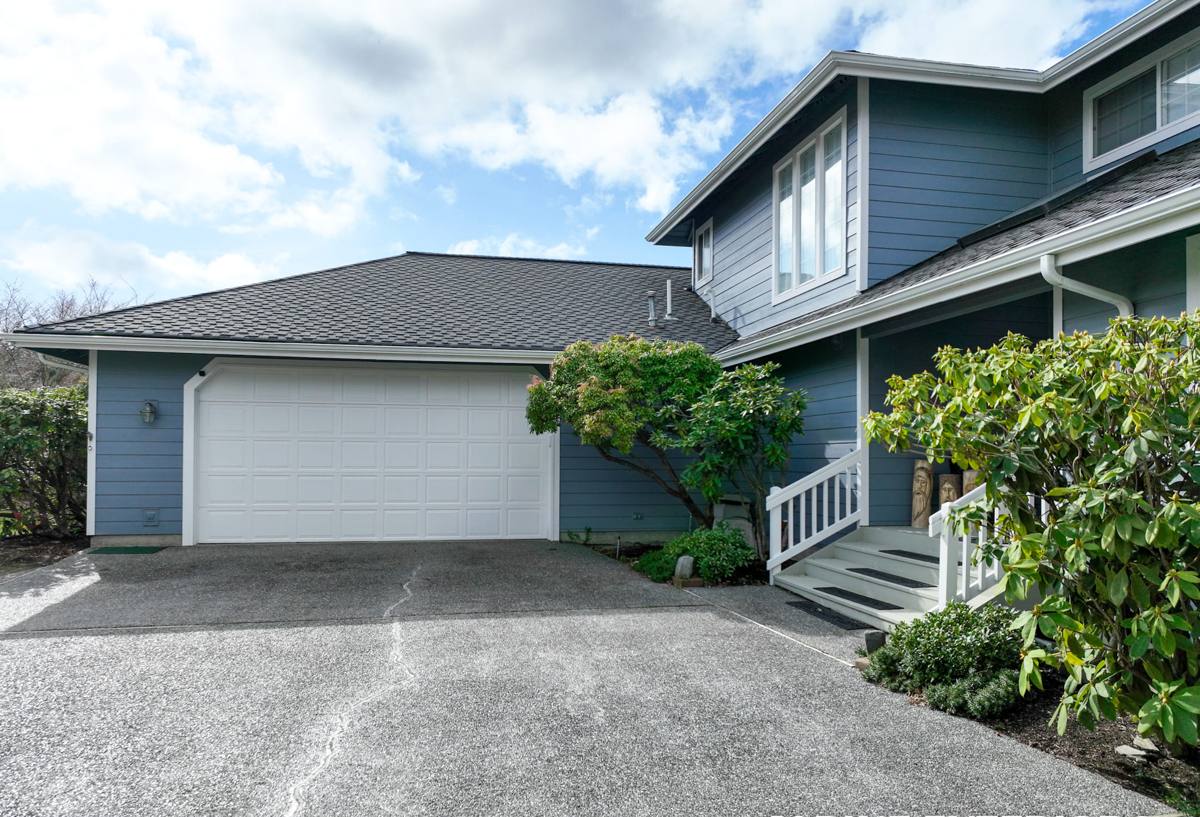
What This Climate Actually Does to a Deck
Most deck failures we get called out for in this area aren't dramatic — they're slow. Moisture gets trapped somewhere it shouldn't, and by the time it's visible, the damage has been building for a season or two.
Moss and Algae Buildup
Shaded lots under fir and cedar canopy — common throughout South Hill — stay damp longer after every rain. Moss doesn't just look bad; it holds moisture against decking boards and, over time, softens wood fiber and accelerates rot. Board spacing, surface texture, and how much direct light a deck gets all factor into how fast this happens.
Driving Rain and Wind-Driven Moisture
Rain that comes in at an angle finds its way under fascia boards, behind ledger flashing, and into fastener holes that a straight-down rain would never reach. This is the single biggest reason ledger attachment and flashing details matter more here than in drier climates.
Salt Air and Metal Corrosion
Whatcom County's proximity to saltwater means hardware, fasteners, and any exposed metal connectors corrode faster than manufacturer literature written for inland climates assumes. Standard coated screws and joist hangers can start showing rust streaks within a couple of seasons if the wrong grade is used.
Decking Material Options for South Hill Homes
There's no single "correct" decking material — there's a correct material for a given budget, sun exposure, and how much upkeep the homeowner actually wants to do. Here's how the common options hold up in this specific climate:
| Material | How It Handles Moisture & Moss | Maintenance | Typical Lifespan Here |
|---|---|---|---|
| Pressure-treated fir/hem-fir | Needs consistent sealing; end grain and fastener holes are vulnerable | Annual cleaning, re-seal every 1-2 years | 10-15 years with upkeep |
| Cedar | Naturally rot-resistant, still needs UV/moisture protection in shaded spots | Cleaning plus periodic oil/sealer | 15-20 years with upkeep |
| Composite (capped) | Doesn't absorb moisture into the core; surface algae still needs washing | Occasional wash, no sealing | 25-30+ years |
| PVC/cellular decking | Fully moisture-resistant board; best for heavily shaded, damp lots | Lowest — soap and water | 25-30+ years |
For lots on South Hill with heavy tree cover, we lean toward recommending capped composite or PVC boards precisely because the moss problem is a surface-cleaning issue rather than a structural one. Wood is still a fine choice on lots with better sun exposure, provided the homeowner is realistic about the sealing schedule.
The Structural Details That Actually Matter
The decking surface is what a homeowner sees, but the framing and attachment underneath it is what determines whether the deck is standing — and safe — in fifteen years.
Ledger Board Attachment and Flashing
Where the deck attaches to the house is the single most common failure point we find on older decks in this area, and it's almost always a flashing problem, not a structural one. Water gets behind an improperly flashed ledger board and rots the rim joist and sheathing from the inside, often years before it's visible from the outside. We flash every ledger connection with proper step or Z-flashing and a moisture barrier between the ledger and the house — no exceptions, regardless of decking material chosen.
Footings and Frost Depth
Footing depth has to account for local frost line requirements and, on the sloped and uneven lots common around Sudden Valley, for how the soil handles seasonal saturation. We size and set footings to current code rather than matching whatever depth an older deck on the property happens to have.
Fasteners and Hardware
Given the corrosion risk from salt air, we use stainless steel or heavy hot-dip galvanized fasteners and connectors rated for coastal/exterior exposure, not the standard exterior-rated hardware sold for general use. It costs more up front. It's also the difference between hardware that's still sound in year twelve and hardware that's staining and weakening in year four.
Joist Protection and Drainage
Joist tape over the top of framing members keeps standing water from soaking into end grain and fastener penetrations — a small detail that matters more in a climate where boards rarely get a long stretch to fully dry out. On lower decks or those over living space, we also plan drainage so water sheds away from the house foundation rather than pooling underneath.
Our Process, Start to Finish
- Site visit and design conversation. We look at sun exposure, tree cover, slope, and how the deck will actually be used before talking materials.
- Material and layout recommendation. Based on the site conditions above, not a one-size-fits-all package.
- Permitting. We handle the permit application and coordinate any required inspections through Whatcom County or the applicable local jurisdiction.
- Footings and framing. Built to current code, sized for the site's soil and slope conditions.
- Flashing, joist protection, and hardware installation. The unglamorous work that determines longevity.
- Decking, railing, and finish work. Installed to manufacturer spec for whichever material was chosen.
- Final walkthrough. We go over care and maintenance expectations specific to the material and site before we consider the job done.
Permits and Local Requirements
Most deck projects of meaningful size require a building permit, and elevated decks or those near property lines may also need a setback review. Sloped lots — common throughout the Sudden Valley area — sometimes require additional engineering review on footings depending on grade and soil conditions. We pull permits as part of the job rather than leaving that step to the homeowner, and we build to the inspected standard rather than to whatever gets a project done fastest.
Cost Factors to Expect
| Factor | Why It Moves the Price |
|---|---|
| Decking material choice | Composite and PVC cost more upfront than wood but less over the deck's lifetime in maintenance |
| Height and slope of the lot | Sloped South Hill lots often need taller footings, additional bracing, or stairs |
| Railing style and material | Cable, glass, and metal railing systems cost more than standard wood balusters |
| Size and layout complexity | Multiple levels, built-in seating, or non-rectangular shapes add labor time |
| Existing deck removal | Tear-off and disposal of a failing deck adds cost before the new build starts |
We give a firm, itemized quote after the site visit rather than a rough phone estimate — deck pricing varies too much lot to lot in this terrain to be honest about it any other way.
Keeping a South Hill Deck Ahead of the Moss
Whatever material is chosen, a little seasonal attention goes a long way in this climate. A simple maintenance rhythm homeowners can actually stick to:
- Sweep debris and needles off the deck surface regularly — trapped organic matter is what feeds moss growth
- Wash the deck surface at least once a year with a deck-safe cleaner, more often on heavily shaded sections
- Check and clear gaps between boards so water can drain through rather than pool on the surface
- Inspect ledger flashing and any visible fastener heads annually for rust streaks or gaps
- Re-seal wood decking on the manufacturer's recommended schedule — don't wait for it to look dry and gray
- Trim back overhanging branches where possible to get more sun and airflow onto shaded sections
Why Local Experience on This Specific Terrain Matters
A deck built to a generic national spec sheet can still fail here if it doesn't account for the specific combination of shade, slope, rain angle, and salt air that South Hill and the broader Sudden Valley area deal with every year. We're not learning these conditions on your project — we've already worked through the flashing details, footing depths, and material trade-offs that this climate demands, on homes in this same neighborhood. That's the difference between a deck that needs real repair work in year six and one that's still solid after fifteen years of Whatcom County weather.
If you're planning a new deck or replacing one that's showing its age, we're happy to take a look and walk you through what your specific lot needs. Reach out for a free, no-pressure estimate using the form below.