 Sudden Valley Roofing
 Building New in Barkley? The Windows Have to Be Right the First Time
New construction is the one chance to get window installation done correctly from the studs out, before siding, trim, and drywall cover up the details that determine whether a window stays watertight for the next twenty or thirty years. In Barkley and the surrounding Sudden Valley area, that first-time correctness matters more than it does in a lot of places. Whatcom County's marine climate brings driving rain off the water, salt-laden air that works on metal components, and a long stretch of the year where moss, algae, and general dampness sit against exterior surfaces longer than they would inland. A window that's "close enough" on a dry-climate build can leak, corrode, or trap moisture here within a few seasons.
This page covers what new-construction window work actually involves in this area, what a correct installation looks like from framing to final seal, and why it pays to bring in a crew that already understands how houses in this part of Whatcom County take on water.
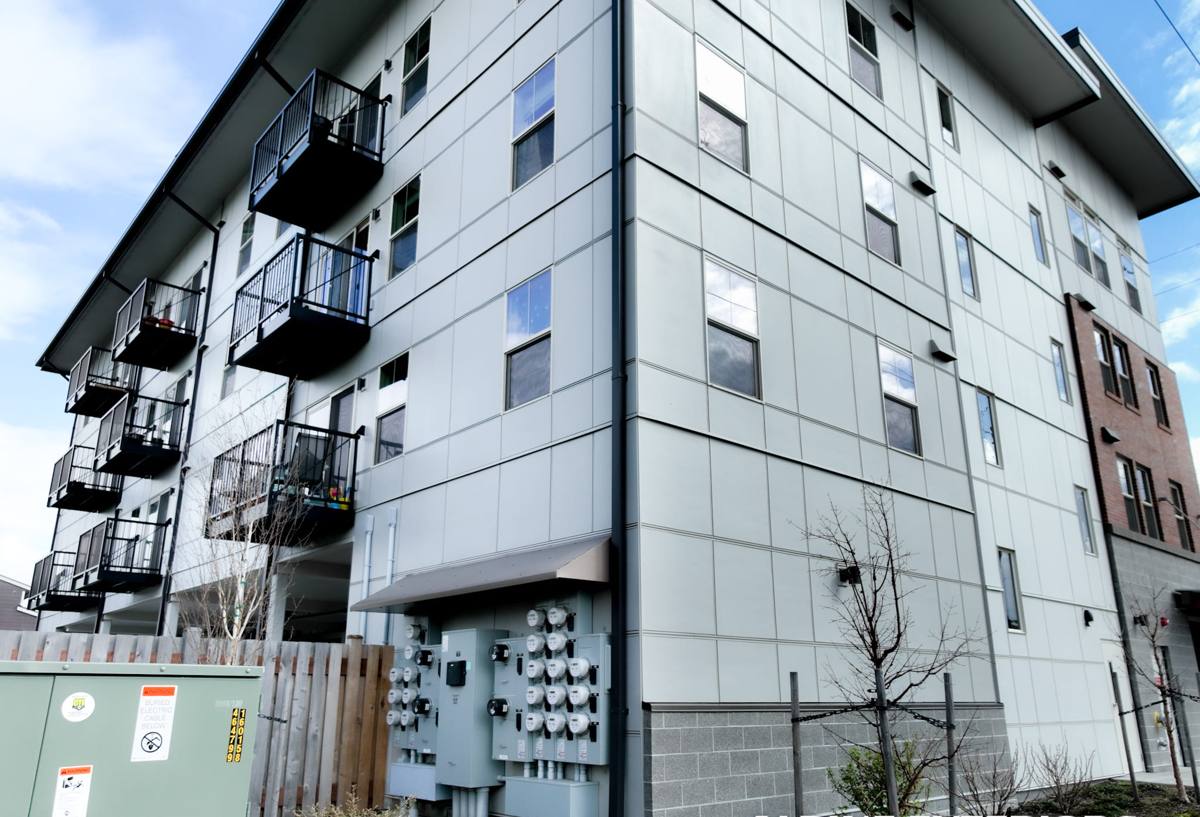
What Barkley's Climate Actually Demands from a New Window Install
Driving rain, not just rain
Wind-driven rain off the lake and the broader Puget Sound weather pattern doesn't fall straight down — it gets pushed sideways into wall assemblies, which means water finds its way to every gap, staple hole, and poorly lapped layer around a window opening. New-construction installation is built around managing that reality with proper flashing sequencing, not just caulk.
Salt air and hardware corrosion
Proximity to marine air accelerates corrosion on fasteners, weep hardware, and lower-grade cladding over time. That's a material selection issue as much as an installation issue — the wrong fastener or flashing metal in this environment shortens the life of an otherwise well-installed window.
Long moss and damp season
Whatcom County's extended damp season keeps exterior surfaces wet longer than drier regions, which is exactly the condition moss, mildew, and slow wood rot need. Any exposed or unprotected wood trim, sill, or sheathing around a new window opening will show it faster here than almost anywhere else in the state.
What a Correct New-Construction Window Installation Involves
New-construction installation is different from a retrofit or replacement job. The wall is open, the sheathing and weather-resistive barrier (WRB) are exposed, and there's no old window to work around — which means there's no excuse for skipping a step. A correct install, in order, looks like this:
- Rough opening check. Confirm the opening is square, level, and sized correctly before the window ever gets set — a window forced into an out-of-square opening will bind, seal poorly, or crack a frame.
- Sill pan flashing. A sloped, sealed pan at the bottom of the opening gives any water that gets past the window a way out instead of a place to pool against the sheathing.
- Jamb and head flashing, integrated with the WRB in shingle fashion. Each layer of flashing tape or building paper laps over the one below it, so water is always directed outward and downward, never trapped behind a layer.
- Window set and fastened per the manufacturer's instructions — nailing fin units and block-frame (masonry-style) units are fastened and sealed differently, and mixing up the method is a common source of early failure.
- Backer rod and low-expansion sealant at the interior and exterior perimeter, sized to the actual gap rather than overfilled with caulk as a substitute for proper flashing.
- Insulation of the shim space with a low-expansion foam or mineral wool that won't bow the frame — over-filled expanding foam is a frequent cause of jamb distortion and doors/windows that won't operate smoothly.
- Final inspection before siding closes it up, because this is the last point anyone will ever see these layers again.
Why the sequence matters more than the sealant
Homeowners often assume a leak-proof window comes down to a good caulk job. In practice, sealant is the last line of defense, not the first. A correctly shingled flashing assembly will shed water even if a bead of sealant eventually cracks or ages out. An installation that relies on sealant to do the flashing's job will eventually leak, no matter how good the caulk is.
Choosing the Right Window for This Environment
Frame material and glazing package both affect how a window holds up to salt air, sustained moisture, and Whatcom County's energy code requirements. There's no single "best" window for every project — it depends on budget, exposure, and how much upkeep the owner wants to take on.
| Frame Material | Moisture/Salt-Air Behavior | Maintenance | Typical Fit for Barkley Builds |
|---|---|---|---|
| Vinyl | Won't rot or corrode; performs well in damp, salt-influenced air | Low — no painting or sealing needed | Strong value option for most new-construction budgets |
| Fiberglass | Very stable in temperature swings and moisture; resists corrosion well | Low | Good for larger openings or exposed elevations facing prevailing wind |
| Wood-clad (exterior clad, wood interior) | Clad exterior resists weather if flashed correctly, but any breach exposes wood beneath | Moderate — depends on clad quality and installation | Works where the interior wood look is a priority and detailing is done carefully |
| Bare wood | Requires diligent finishing and upkeep to resist this climate's damp season | High | Not our default recommendation for new builds here without a strong maintenance plan |
We'll talk through these trade-offs with you before anything is ordered — the goal is a window that matches how much upkeep you actually want to do, not just the lowest sticker price.
Energy Code and Sizing Considerations
Washington's energy code sets minimum performance requirements — U-factor and, in some cases, solar heat gain — that new-construction windows have to meet, and those numbers get checked at inspection. Beyond code minimums, a few things matter specifically for this region:
- Lower U-factor glazing pays off faster here than in drier climates, because heating season is long and humid air makes poorly insulated glass more prone to interior condensation.
- Egress-sized bedroom windows need to meet both code minimums and the practical reality of the framed opening — this gets coordinated with the builder well before the windows are ordered.
- Overhangs and elevation exposure affect which windows take the most direct driving rain, which can shift material or flashing decisions on specific walls of the same house.
Our Process for New-Construction Window Work
1. Plan review and coordination with your builder or GC
We review window schedules and rough opening dimensions against the actual framing plan before anything ships, catching sizing mismatches before they become a job-site delay.
2. Pre-install framing check
Every rough opening gets checked for square, level, and proper WRB lap before a window goes in. This is the point where small framing errors are cheap to fix and expensive to ignore.
3. Flashing and installation
Sill pans, shingle-lapped flashing, correct fastening method for the window type, and properly sized sealant joints — done in the sequence outlined above, not shortcut to keep pace with a schedule.
4. Pre-siding inspection
Before siding closes the wall, we walk every opening one more time. This is the last chance to catch a flashing gap, and we treat it that way.
5. Final walkthrough
Operation, sealant lines, and hardware get a final check once the exterior is closed up, so nothing gets missed in the noise of a busy final week on site.
A Quick Checklist for Anyone Vetting a New-Construction Window Installer
- Do they install sill pan flashing on every opening, or only "if there's time"?
- Can they explain the difference between nailing-fin and block-frame installation methods without hesitating?
- Do they check rough openings for square before setting windows, or fight it out with shims and sealant afterward?
- Will they walk the openings with you (or your builder) before siding closes the wall?
- Do they have experience with Whatcom County inspection expectations and the current energy code?
- Can they speak to how salt air and sustained dampness in this area affect frame and hardware choices?
Why a Crew Already Working in Barkley and Sudden Valley Matters
New-construction window work sits at the intersection of framing, weatherproofing, and roofline water management — which is exactly the overlap a roofing-background crew is built for. We already think in terms of how water moves across a wall and roof system, because that's the same problem we solve on every roof we install. Working regularly in Barkley and the broader Sudden Valley area also means we're used to this area's builders, this county's inspection expectations, and the specific way this climate — salt air, driving rain, and a long moss season — punishes shortcuts that might pass unnoticed in a drier part of the state. That's not something you can pick up from a manual; it comes from doing the work here, repeatedly, and seeing what holds up.
If you're planning a new build or an addition in Barkley and want the window package done right the first time, we're happy to walk your plans, talk through frame and glazing options for your site, and give you a straightforward, no-pressure estimate using the form below.