 Sudden Valley Roofing
 Why Ferndale Homes Need a Different Approach to Windows
Ferndale sits close enough to the water and to open farmland that its homes take a beating most manufacturers never design for. Salt-laden air off the Sound corrodes hardware and dulls finishes faster than it does twenty miles inland. Driving rain off winter storms doesn't just hit the glass — it drives sideways into every gap in the frame and trim. And the long stretch of gray, damp months each year means moss and algae get a running start on any surface that stays wet, including window sills and frame tracks. An "energy-efficient window" that was engineered and tested for a dry, moderate climate somewhere else doesn't automatically perform the same way once it's installed in a Whatcom County wall.
When we talk about energy-efficient windows for Ferndale, we're talking about two things at once: keeping conditioned air inside the house, and keeping Western Washington's weather out of the wall assembly. Get the first part right without the second and you end up with a window that saves a little on heating but slowly rots the framing around it. We build every project around both.
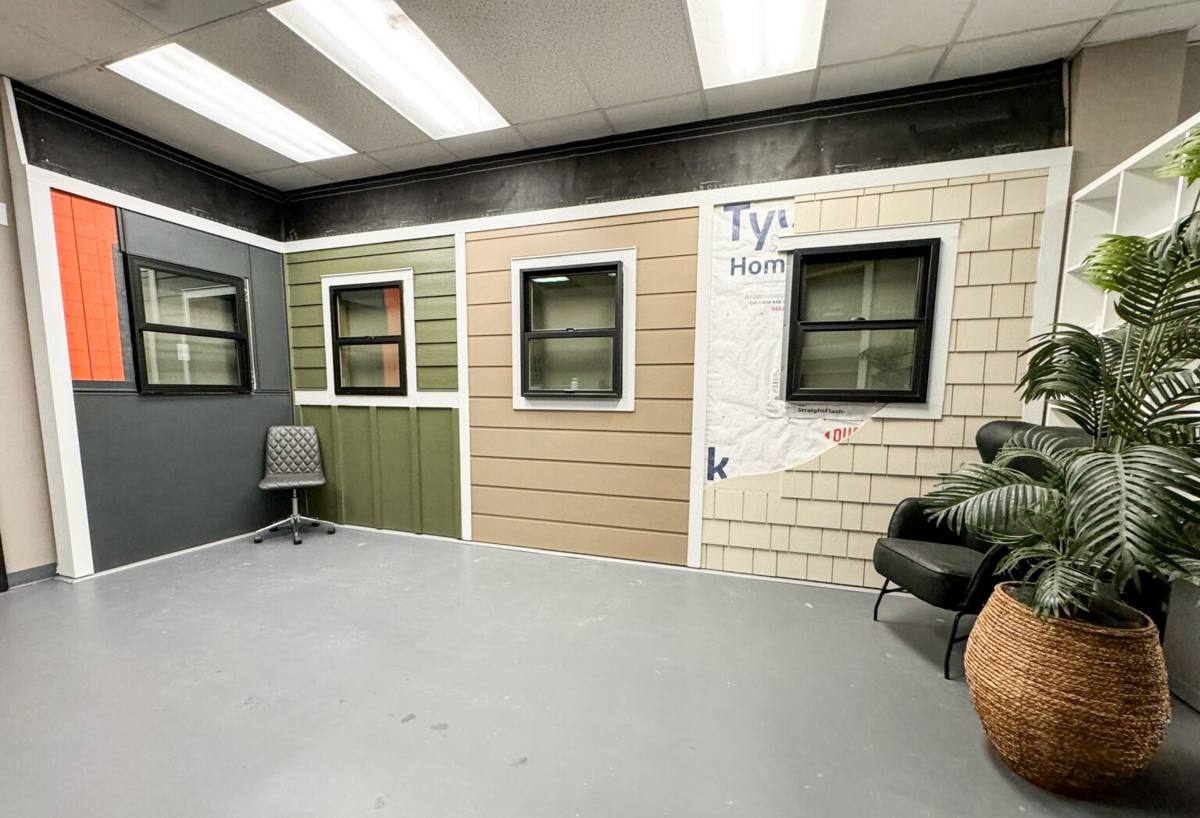
What "Energy-Efficient" Actually Means Here
U-Factor Matters More Than Solar Heat Gain
A lot of window marketing is written for hot, sunny climates, where blocking solar heat gain (SHGC) is the main selling point. Ferndale's climate is different — we have relatively mild summers and long, wet, overcast winters. For most homes here, the number that matters most is U-factor: how well the window resists heat loss from inside to outside. A low U-factor window keeps the furnace from running constantly on cold, damp nights, which is where most of the energy savings in this region actually come from.
Condensation Resistance
High humidity and big day-to-night temperature swings in fall and winter make condensation resistance a real, practical concern here — not just a spec sheet number. Windows with poor condensation resistance fog up on the inside, drip onto sills, and over time feed the exact moisture problems that lead to soft wood, peeling paint, and mold at the corners. This is one of the first things we check when we're recommending glass packages and frame types for a Ferndale home.
Signs Your Current Windows Are Working Against You
Before recommending replacement, we look for evidence the existing windows are actually costing you money and inviting moisture damage — not just that they're old. Common signs we see on service calls in this area include:
- Fogging or a milky haze between the panes of a double-pane unit — the seal has failed and the gas fill (or insulating air gap) is gone
- Visible condensation or frost on the inside of the glass on cold mornings
- Soft, spongy, or discolored wood at the sill or lower corners of the frame
- A noticeable draft you can feel with your hand near the frame on a windy day
- Windows that are hard to open, close, or lock — often a sign the frame has swelled or shifted
- Visible moss, algae, or green staining building up in the frame tracks or sill
- A jump in heating costs with no other explanation
What a Correct Installation Actually Involves
Flashing and Water Management Come First
The window itself is only part of the job. In a climate with as much driving rain as we get here, how the opening is flashed and integrated with the house's weather-resistive barrier matters as much as the window's energy rating. That means proper head flashing, correctly lapped sill pans, and sealant used in the right places — not everywhere, which can trap moisture instead of shedding it. A well-rated window installed with poor flashing will still leak, and a leak behind the wall does damage long before you'd ever see it from inside.
Frame and Glazing Selection
We select frame material and glazing package based on the specific wall, exposure, and how much weather that side of the house actually takes — a window on the prevailing-storm side of a home needs different consideration than one tucked under an eave. We'll walk you through the honest trade-offs of each frame option rather than pushing whatever has the best margin.
Sealing and Insulation Detail
Around the perimeter of the frame, we insulate the gap correctly — not overpacked, not left hollow — and seal the interior and exterior separately so the assembly can still manage any incidental moisture that gets in over time. This detail is easy to rush and hard to fix later without pulling trim.
Comparing Frame Materials for This Climate
| Frame Material | Moisture & Salt Air Behavior | Maintenance | Typical Trade-Off |
|---|---|---|---|
| Vinyl | Won't rot or corrode; performs well in damp, salty air | Low — occasional cleaning | Fewer color/finish options; can look less refined on older or high-end homes |
| Fiberglass | Very stable in wet, coastal conditions; resists warping | Low | Higher upfront cost than vinyl |
| Aluminum | Prone to corrosion in salt air and conducts cold, increasing condensation risk | Moderate | We generally steer clients away from bare aluminum on coastal-exposed sides here |
| Wood-clad | Good insulator, but any breach in the cladding exposes wood to our wet season | Higher — cladding seams need periodic inspection | Best appearance for period-style homes; needs a conscientious owner |
Our Process for a Ferndale Window Project
1. On-Site Assessment
We walk the exterior and interior of each opening, checking for existing rot, prior water intrusion, and how exposed each window is to wind-driven rain. This tells us where extra flashing detail or a different frame material is worth the upgrade.
2. Measurement and Product Selection
Every opening gets measured individually — older Whatcom County homes are rarely perfectly square, and a window ordered off a rough estimate leads to gaps that get caulked over instead of properly sealed. We go over U-factor, condensation resistance rating, and frame options against your budget and the exposure of that specific opening.
3. Removal and Prep
Old windows come out carefully so we can inspect the framing underneath. If we find soft wood or prior water damage — which isn't unusual on older Ferndale homes — we address it before anything new goes in. Installing a new window over a wet or damaged frame just hides the problem.
4. Installation, Flashing, and Sealing
New units are set, shimmed level and plumb, insulated, flashed, and sealed to shed water the way the wall assembly is designed to.
5. Cleanup and Walkthrough
We clear debris, check each window operates smoothly, and walk you through anything you should know about care in the first season.
What Affects the Cost of a Window Project
Every home is different, so we won't quote a number without seeing the job, but these are the main factors that move the price:
| Factor | Why It Matters |
|---|---|
| Number and size of openings | More glass and larger units mean more material and labor |
| Frame material | Vinyl, fiberglass, and wood-clad carry different material costs |
| Condition of existing framing | Rot repair adds time and material beyond the window itself |
| Exposure and flashing complexity | Openings on storm-exposed walls often need more detailed flashing work |
| Glazing package | Higher-performance glass costs more but lowers long-term heating costs |
| Access | Second-story or hard-to-reach windows take longer and may need staging |
Why It Matters That We Already Work in Ferndale
A crew that works this area regularly already knows which exposures take the worst of the weather, how the local permitting process runs, and what kind of framing conditions to expect opening up an older Whatcom County home. We're not learning the region's climate on your project — we're applying what we've already seen on jobs nearby. That familiarity shows up in fewer surprises mid-project and in flashing and sealing choices that are matched to how this specific area actually gets rained on, not a generic install method.
Caring for Your Windows After Installation
Energy-efficient windows still need a little attention here, mostly because of the climate we install them into:
- Rinse sills and tracks periodically to keep moss and algae from taking hold
- Check exterior caulking once a year, especially after a hard winter storm season
- Keep weep holes in vinyl and fiberglass frames clear so water can drain properly
- Wipe down hardware occasionally — salt air accelerates corrosion on unprotected metal parts
- Watch for any new condensation between panes, which signals a seal failure worth addressing early
If your windows are drafty, fogged, hard to operate, or you're just planning ahead for a home in Ferndale, we're happy to take a look and give you a straightforward, no-pressure estimate. Use the form below to get started.