 Sudden Valley Roofing
 Why Bellingham Siding Takes More Than a Standard Install
Homes around Bellingham and out toward Sudden Valley sit in one of the wettest, greenest corners of Washington. That's part of why people live here, but it's hard on the outside of a house. Salt-tinged marine air off the Salish Sea, long stretches of driving rain, heavy tree cover, and a moss season that can run most of the year all work on siding in ways that drier inland climates never see. A product or installation method that holds up fine in Spokane or Yakima can fail here in a fraction of the time.
This page is specifically about fiber cement siding installed correctly for this climate — not a generic rundown of siding in general. If you're weighing a re-side or a repair in Whatcom County, the details below are what actually matter for how long the job lasts.
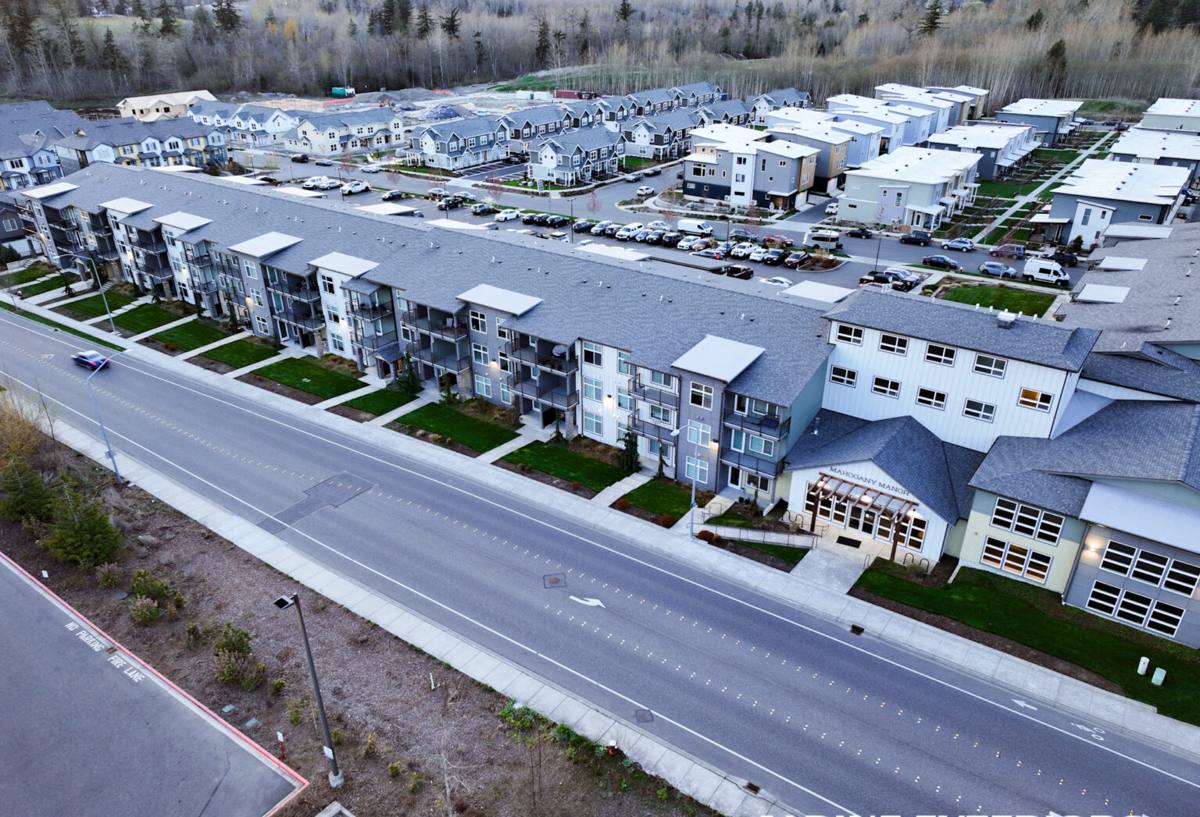
What This Climate Actually Does to Siding
Moisture load and driving rain
Wind-driven rain off the water doesn't just fall straight down — it gets pushed sideways into wall assemblies, working into laps, seams, and fastener penetrations that a calmer climate wouldn't stress. Siding here needs a real drainage path behind it, not just a face that sheds water when it's raining lightly.
Shade, tree cover, and a long moss season
Mature evergreens are everywhere around Bellingham and the lake, which means a lot of exterior walls stay shaded and damp long after a storm passes. That's exactly the environment moss and algae need. Left alone, organic growth holds moisture against the siding surface, and depending on the material, that constant dampness either just sits on the surface (fine) or starts breaking the material down from the inside (not fine).
Salt air near the water
Proximity to Bellingham Bay adds a salt-air component that accelerates corrosion on fasteners, flashing, and any metal trim details. It's a slower process than direct coastal exposure, but over 15–20 years it adds up, especially on the windward side of a home.
What Correct Fiber Cement Installation Involves
Fiber cement itself is a stable, moisture-tolerant material, but it only performs as well as the installation behind it. In a climate like this, a handful of details separate a siding job that lasts three decades from one that starts showing problems in five years.
A real weather-resistive barrier and drainage gap
Correct installation starts with a continuous weather-resistive barrier over the sheathing, properly lapped so water sheds down and out rather than behind the barrier. In our climate, we also want a drainage gap or rainscreen behind the siding panels so that any moisture that does get past the cladding has somewhere to go, instead of sitting against the back of the panel or the sheathing.
Flashing at every penetration
Windows, doors, hose bibs, light fixtures, and any other wall penetration need proper flashing integrated with the weather barrier — not just caulk. Caulk fails; flashing, done correctly, doesn't rely on staying intact for 20 years to keep water out.
Fastening and joint treatment to spec
Fiber cement has manufacturer-specified nailing patterns, fastener types, and minimum clearances from grade, decks, and roof lines. Butt joints need to be treated correctly (caulked and painted, or shadow-lined per the manufacturer's detail) so they don't become the first place moisture gets in. Skipping or shortcutting these steps is the single biggest reason a fiber cement job underperforms.
Why We Install Only James Hardie Fiber Cement
We don't install LP SmartSide, vinyl, Cemplank, Allura, primed spruce, or cedar. That's a deliberate standard, not a lack of options. Here's the honest reasoning:
- Non-combustible core: James Hardie's fiber cement is non-combustible, which matters for insurance conversations and for peace of mind, unlike engineered wood products.
- Climate-engineered product lines: Hardie builds its HZ5 formulation specifically for wetter, moderate climates like ours, rather than selling one formulation for the whole country.
- Factory-applied ColorPlus finish: a baked-on finish applied under controlled conditions holds color and resists moisture intrusion at the surface better than field-applied paint, which is especially valuable given how much rain this area sees during a typical painting window.
- Warranty structure: Hardie's warranty on both the substrate and the ColorPlus finish is transferable and backed by a manufacturer with decades in this exact product category.
Products like LP SmartSide and cedar aren't inherently bad materials — they have real strengths, including lower upfront material cost. But engineered wood siding and untreated wood both depend heavily on unbroken paint or finish integrity to keep moisture out, and in a climate with this much sustained dampness and shade, that's a maintenance burden we don't want to put on a homeowner's roof over their head. Vinyl, for its part, can warp and fade, and it doesn't hold up as well against the kind of driving, wind-pushed rain this area gets. We standardized on Hardie because it's the product we're willing to warranty our installation work on.
Our Process for a Sudden Valley / Bellingham Job
- On-site assessment: We walk the exterior, check for existing moisture damage, look at shade patterns and drainage around the foundation, and note any areas with existing rot or moss buildup.
- Tear-off and sheathing check: Old siding comes off and we inspect the sheathing underneath. Any rot or soft spots get repaired before anything new goes up — covering a moisture problem with new siding just hides it.
- Weather barrier and drainage plane: A new weather-resistive barrier is installed with proper lapping and integrated flashing at every penetration, plus a drainage gap behind the panels.
- Hardie panel installation: Panels, fasteners, and joint treatment follow James Hardie's published installation instructions for our climate zone — not a generic install pattern.
- Trim, caulking, and finish check: Trim details, corners, and joints are finished per spec, and we do a final walk-through before calling the job complete.
Fiber Cement vs. Other Siding Options in This Climate
| Material | Moisture Behavior Here | Maintenance Burden | Typical Lifespan (Correctly Installed) |
|---|---|---|---|
| James Hardie Fiber Cement | Stable, dimensionally stable when wet | Low — factory finish, occasional wash | 30+ years |
| Vinyl | Can warp/distort with heat cycling and wind-driven rain | Low, but fading and cracking over time | 15–25 years |
| LP SmartSide / Engineered Wood | Depends on unbroken paint/finish seal | Moderate to high — repainting, edge sealing | 15–25 years, shorter if finish fails |
| Cedar / Primed Spruce | Absorbs moisture, prone to rot in shade | High — repainting/staining every few years | 10–20 years without diligent upkeep |
These are general ranges, not guarantees — actual lifespan always comes down to installation quality and how consistently a homeowner keeps up with basic maintenance.
Cost Factors for a Bellingham-Area Fiber Cement Project
| Factor | Why It Moves the Price |
|---|---|
| Extent of existing sheathing repair | Rot found during tear-off adds material and labor before new siding can go up |
| Home shape and trim detail | More corners, gables, and window/door openings mean more flashing and cut work |
| Panel profile and finish selection | Lap width, texture, and ColorPlus color affect material pricing |
| Access and site conditions | Sloped lots, tree cover, and limited staging space near the lake affect labor time |
| Removal and disposal of old siding | Type and condition of existing material affects tear-off cost |
We give exact numbers only after walking a specific property — anyone quoting a firm price sight unseen in this climate is guessing.
Living With Fiber Cement Through a Long Moss Season
One advantage of correctly installed Hardie siding in this climate is how little upkeep it actually needs compared to wood-based alternatives. That said, a few habits go a long way toward getting the full lifespan out of it:
- Rinse shaded, north-facing walls once or twice a year to keep moss and algae from establishing a foothold
- Keep gutters clear so overflow doesn't run down the siding face repeatedly
- Trim back branches and shrubs that keep a wall surface shaded and damp
- Watch caulked joints and repaint or re-caulk them if they start to crack or pull away
- Have flashing at windows and roof intersections checked periodically, since these are the first places a slow leak shows up
Signs Existing Siding Is Struggling in This Climate
If you're not sure whether it's time to replace siding versus repair it, a few signs tend to show up first in Whatcom County's wet climate: soft or spongy spots when pressed, paint that's bubbling or peeling in patches rather than evenly, persistent moss or algae that comes right back after cleaning, visible warping or buckling on wood-based or vinyl siding, and staining that suggests water is tracking behind the siding rather than off it. Any one of these is worth a look before it turns into a sheathing or framing problem.
Why a Crew That Already Works This Area Matters
A contractor who regularly works Bellingham and communities like Sudden Valley already knows the local building department's expectations, understands how much drainage detail this climate actually demands, and has seen firsthand what happens when a job skips a step. Some neighborhoods here also have HOA design guidelines covering exterior color and material choices, so it helps to work with a crew that knows to check on that up front rather than after ordering material. None of that replaces a careful on-site assessment of your specific home, but it does mean fewer surprises during the job.
If you're considering fiber cement siding for a home in Bellingham, Sudden Valley, or elsewhere in Whatcom County, we're happy to take a look and walk you through what your specific property needs — no pressure, no obligation. Fill out the form below to get a free estimate.