 Sudden Valley Roofing
 Asphalt Shingle Roofing Built for the Acme Area
Acme sits in the stretch of Whatcom County east of Sudden Valley, tucked against the foothills where the weather off the lake and the mountains meet. Homes out here take a different kind of beating than a house closer to town — more tree cover, more shade, more standing moisture on the roof deck for longer stretches of the year. If you own a home in this area and you're due for a new roof or a repair, asphalt shingles remain the most practical, cost-effective choice for most houses here. But "asphalt shingle roofing" done right in Acme looks a little different than the same job done in a drier, more open part of the county, and that's what this page is about.
We're not going to give you a generic rundown of what asphalt shingles are. You can get that anywhere. What matters is how this material performs against the specific conditions this neighborhood deals with, and what a contractor needs to get right so the roof actually holds up.
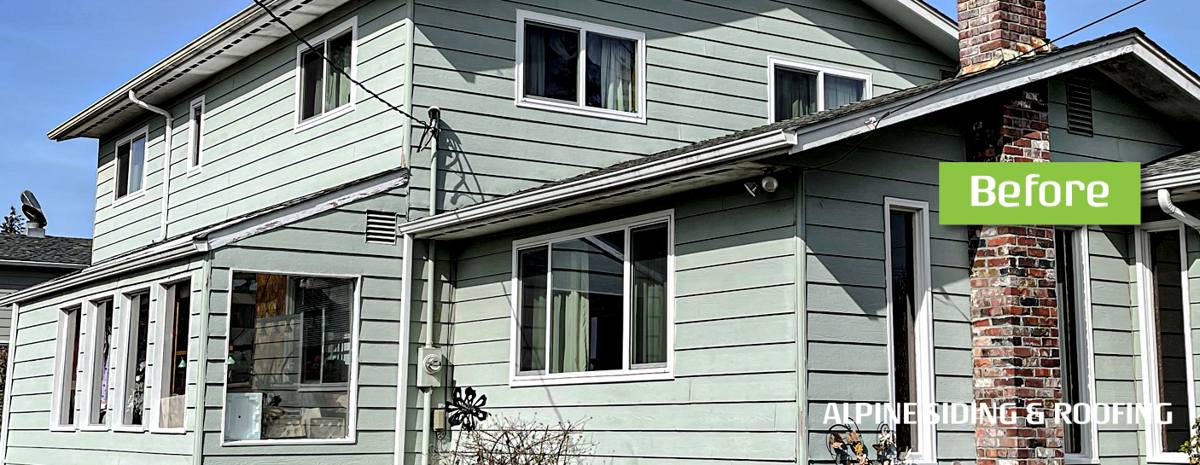
What the Local Climate Does to a Roof Here
Whatcom County roofs deal with a combination that's tougher than it looks on paper: salt-laden air moving inland, long stretches of driving rain, and a moss season that can run most of the year in shaded spots. In and around Acme, the tree canopy makes the moss problem worse than in more open parts of Sudden Valley — shaded roof sections stay damp far longer after a storm, and that moisture is exactly what moss and algae need to take hold.
Salt Air and Metal Components
Even well inland from the coast, salt-carrying air reaches this part of the county and accelerates corrosion on exposed metal — flashing, nail heads, vent stacks, gutter fasteners. A roof that looks fine from the ground can have flashing that's already thinning at the edges. We spec corrosion-resistant flashing and fasteners as standard, not an upsell, because replacing them twice costs more than doing it right once.
Driving Rain and Wind-Driven Water
Storms here don't just fall straight down — wind pushes rain sideways and up under shingle tabs and around penetrations. Standard nailing patterns and underlayment that would pass in a calmer climate aren't enough. We treat wind-driven rain as the baseline condition to design for, not the exception.
Moss, Algae, and Shade
Moss doesn't just look bad — it holds moisture against the shingle surface, works its way under tabs, and lifts them over time, which is when leaks start. North-facing slopes and anything under mature trees are the highest-risk spots on almost every Acme roof we look at.
What a Correct Asphalt Shingle Job Includes
A roof that's going to hold up under these conditions needs more than shingles nailed to a deck. Here's what we consider non-negotiable on a job in this area:
- Deck inspection and repair — any soft, rotted, or delaminated sheathing gets replaced before a single shingle goes down. Roofing over a bad deck just hides the problem.
- Ice-and-water shield at vulnerable zones — valleys, eaves, and around penetrations get self-adhering membrane, not just felt, given how much sustained moisture this area sees.
- Synthetic underlayment across the field — more tear-resistant and more water-resistant than old-style felt, and it holds up better if weather moves in mid-job.
- Proper flashing at every transition — chimneys, sidewalls, skylights, and roof-to-wall junctions are where most leaks actually originate, not the open field of shingles.
- Balanced attic ventilation — intake and exhaust that actually work together, which controls the heat and moisture buildup that shortens shingle life from underneath.
- Algae-resistant shingle granules — a real defense against the streaking and moss-friendly buildup that shaded, damp roofs in this area are prone to.
- Correct nailing pattern and fastener count — this is what actually determines wind performance, more than the shingle brand.
Skip any one of these and you're not saving money — you're moving the cost of a leak or a premature failure a few years down the road, usually to a point where the fix is more expensive than doing it correctly the first time.
How We Approach a Roof in Acme
1. On-Site Assessment
We walk the roof, not just look at it from the driveway. That means checking the deck at eaves and valleys, looking at flashing condition around every penetration, and checking the attic for ventilation problems or moisture staining that tells us what's really been happening under the shingles.
2. A Written Scope You Can Actually Read
You get a clear breakdown of what's being replaced, what underlayment and flashing materials are going in, and why — not a vague line item that just says "reroof."
3. Tear-Off and Deck Prep
Full tear-off to the deck on most jobs. We don't recommend roofing over old layers in this climate — trapped moisture between layers is a moss and rot problem waiting to happen, and it hides the deck condition from us and from you.
4. Installation to Manufacturer Spec — Then Some
We follow shingle manufacturer installation requirements as the floor, not the ceiling, and add the extra membrane and flashing detail this climate calls for.
5. Final Walkthrough
Before we call it done, we walk the finished roof with you, cover what maintenance (if any) it needs, and make sure you know what your warranty actually covers.
Choosing the Right Shingle for This Area
Not every asphalt shingle product is a good fit for a shaded, damp lot near Sudden Valley. Here's how the common options stack up for homes in this area:
| Shingle Type | Typical Lifespan | Best Fit For | Consideration in Acme |
|---|---|---|---|
| 3-Tab (economy) | 15–20 years | Budget-focused, low-slope simple roofs | Lower algae resistance unless upgraded granules specified; less wind margin |
| Architectural/Dimensional | 25–30 years | Most homes — best balance of cost and performance | Our default recommendation here; better wind rating and granule adhesion |
| Premium/Designer | 30+ years | Higher-end homes, longer hold periods | Worth it if you're staying long-term; diminishing return if you're not |
For most Acme homes, a mid-tier architectural shingle with algae-resistant granules and a solid wind rating is the right call — it costs more upfront than 3-tab but the maintenance burden and re-roof frequency difference more than make up for it in a climate like this.
Maintenance That Actually Matters Here
A well-installed roof still needs a bit of upkeep in this environment. This isn't a sales pitch for a maintenance contract — it's just what extends the life of the roof you already paid for.
- Keep gutters clear — clogged gutters back water up under the shingle edge, especially with the tree cover common around Acme.
- Have moss growth removed before it spreads, not after tabs are already lifting.
- Trim back branches that shade and drop debris on the roof — less shade means less time the surface stays wet.
- Get flashing checked every few years given the corrosion pressure from salt-carrying air in this part of the county.
- Address any granule loss or bare spots promptly — that's the shingle's UV and weather barrier wearing through.
Why a Crew That Already Works This Area Matters
Roofing crews that mostly work drier, more open parts of the county sometimes underbuild for what a shaded Acme lot actually needs — lighter underlayment, standard flashing instead of corrosion-resistant, no real ventilation plan. We work this area regularly enough to know which roofs are fighting moss and shade year-round and which slopes take the worst of the wind-driven rain, and we build accordingly rather than applying a one-size-fits-all spec everywhere in Whatcom County.
That local familiarity also means a faster, more accurate estimate. We're not guessing at what your roof is dealing with — we've seen the same tree cover, the same drainage patterns, and the same moss pressure on other roofs nearby.
What Affects Your Cost
Every roof is different, but the factors that actually move the price on an Acme job are consistent:
| Factor | Why It Matters |
|---|---|
| Roof pitch and complexity | Steeper, more cut-up roofs take longer and need more safety setup |
| Deck condition | Rotted or soft sheathing found during tear-off adds material and labor |
| Tree cover and access | Shaded, hard-to-access roofs common in Acme can add setup and cleanup time |
| Shingle tier chosen | 3-tab, architectural, and premium products carry different material costs |
| Flashing and ventilation upgrades | Corrosion-resistant flashing and added ventilation cost more upfront but reduce future repair risk |
We'd rather walk you through these line by line during an on-site look than throw out a number that doesn't reflect your actual roof.
Get a Straight Answer on Your Roof
If you're in the Acme area near Sudden Valley and dealing with moss buildup, a leak that's been nagging you, or a roof that's simply reaching the end of its service life, we're glad to come take a look. We'll give you a straight, no-pressure estimate and tell you honestly whether you need a full replacement or just targeted repairs — request a free estimate using the form below.