 Sudden Valley Roofing
 Asphalt Shingle Roofing Built for Deming's Weather
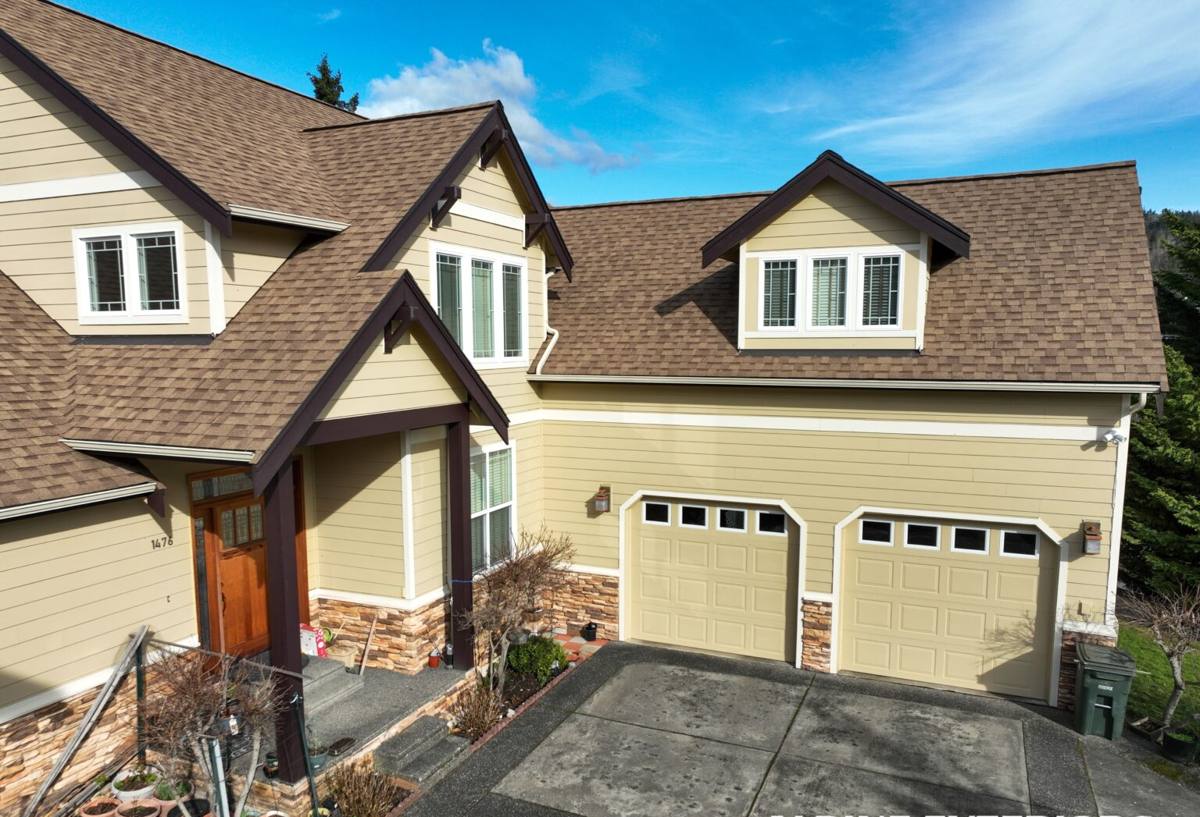
Deming sits in the part of Whatcom County where marine air off the Salish Sea meets the wetter, cooler microclimate rolling down from the Mount Baker foothills. Homes here get a mix of driving rain, salt-tinged air on windy days, and long stretches of overcast, damp weather that can run from October well into spring. Asphalt shingles remain one of the most practical roofing choices for this area because they're proven, repairable, and reasonably priced — but only when they're installed with this specific climate in mind. A shingle roof detailed the same way you'd detail one in a dry inland climate will underperform here. This page covers what a correctly built asphalt shingle roof looks like for a Deming property, and why the details matter more than the shingle brand printed on the wrapper.
What Makes This Climate Hard on a Shingle Roof
Three conditions do most of the damage to asphalt shingle roofs in this part of Whatcom County, and they compound each other over time.
Persistent Moisture
Long wet seasons mean shingles rarely get a full dry-out period. Moisture that gets trapped under a shingle tab, around a poorly sealed nail, or in a weak valley doesn't evaporate quickly — it sits, and it works. Over years, that's how granule loss, soft decking, and early leaks show up on roofs that otherwise look fine from the ground.
Moss and Organic Growth
Shade from surrounding trees, north-facing slopes, and extended damp periods create ideal conditions for moss, lichen, and algae streaking. Moss isn't just cosmetic — its root structure lifts shingle edges and holds water directly against the roofing material, which shortens the life of the shingle and can telegraph moisture down into the deck over time.
Wind and Driving Rain
Storms coming off the water can push rain sideways rather than straight down. That kind of weather finds every weak seal, under-lapped shingle, and poorly flashed penetration on a roof. It's also why proper nailing pattern and adhesive sealant strip activation matter more here than in calmer climates — a shingle that isn't fully bonded down is far more likely to lift in a wind-driven rain event.
What a Correct Installation Actually Involves
A shingle roof is a system, not just a layer of shingles nailed to plywood. Each component below has a job, and skipping or shortcutting any of them is where most Deming-area roof problems trace back to.
- Deck inspection and repair: Any soft, delaminated, or water-stained sheathing gets replaced before anything new goes down. Roofing over bad decking just hides the problem.
- Ice and water shield: Self-adhering waterproof membrane at eaves, valleys, and around penetrations, where wind-driven rain and ice damming (on the colder, higher-elevation edges of the service area) are most likely to force water backward under the shingle field.
- Synthetic underlayment: A full secondary water barrier across the deck, not just felt paper, gives the roof a backup layer if any individual shingle is compromised by wind or debris.
- Balanced attic ventilation: Intake at the eaves and exhaust at the ridge, sized to the attic volume. Poor ventilation traps moist air against the underside of the deck, which is a major contributor to early deck rot and shortened shingle life in wet climates.
- Correct nailing pattern: Manufacturer-specified nail placement and count, in the nailing zone — not high, not low, not gunned in at an angle. Misplaced nails are a leading cause of shingle blow-off in wind events.
- Metal flashing at every transition: Valleys, chimneys, skylights, sidewalls, and roof-to-wall intersections all get new, properly lapped metal flashing, not roofing cement smeared over old flashing.
- Sealed, capped ridge: A ridge cap system that matches the ventilation strategy and sheds water correctly at the roof's highest, most exposed line.
Choosing a Shingle for This Climate
Not every asphalt shingle product performs the same way in a wet, moss-prone environment. The table below compares the main categories homeowners in the Deming area typically choose between.
| Shingle Type | Typical Lifespan | Performance in This Climate | Best For |
|---|---|---|---|
| 3-tab (economy) | 15–20 years | Lower wind resistance, less algae resistance unless specified | Budget-driven projects, secondary structures |
| Architectural / laminate | 25–30 years | Better wind rating, thicker profile sheds water more effectively | Most Deming-area homes; the standard recommendation |
| Algae-resistant (AR) laminate | 25–30 years | Copper- or zinc-infused granules resist streaking and slow moss colonization | Shaded lots, north-facing slopes, tree-heavy properties |
| Impact-resistant (Class 4) | 30+ years, often with insurance discount | Thicker mat resists granule loss and cracking under storm debris | Properties with overhanging trees or storm exposure |
For most Deming homes, we recommend an algae-resistant architectural shingle as the baseline — the modest upcharge over standard architectural product pays for itself in reduced moss and streaking maintenance over the life of the roof. We'll walk through the trade-offs for your specific lot, tree cover, and roof pitch during the estimate rather than defaulting to one answer for every house.
Moss, Algae, and the Long Wet Season
Moss management is an ongoing conversation for almost every shaded or tree-covered property in this part of Whatcom County, not a one-time fix. A correctly installed roof with algae-resistant shingles and zinc or copper strips near the ridge slows growth significantly, but it doesn't eliminate the need for periodic attention. What we recommend:
- Gentle, low-pressure moss removal on a schedule appropriate to your tree cover — never power-washing, which strips granules and shortens shingle life.
- Keeping gutters and valleys clear of needles and leaf litter, which hold moisture against the shingle surface and accelerate moss growth.
- Trimming back overhanging branches to reduce shade and improve airflow across the roof plane.
- Installing zinc or copper control strips near the ridge during a re-roof, which release trace metals with rainfall that inhibit moss and algae growth down-slope.
How Our Process Works
- On-site assessment: We inspect the existing roof, attic ventilation, and deck condition, and take measurements for an accurate quote — not a rough guess from satellite imagery.
- Written estimate: A clear scope of work covering tear-off, deck repair allowance, underlayment, flashing, shingle selection, and ventilation upgrades, so there are no surprise line items mid-project.
- Scheduling around the weather: Given how much of the year here is wet, we plan tear-off and dry-in carefully so your home is never left exposed longer than necessary.
- Tear-off and deck inspection: Old roofing comes off down to the deck, which gets inspected and repaired before anything new is installed.
- System installation: Ice and water shield, underlayment, flashing, shingles, and ridge venting installed in the sequence and pattern the manufacturer specifies.
- Final walkthrough and cleanup: Magnetic sweep for stray nails, full site cleanup, and a walkthrough so you understand what was done and what to watch for going forward.
Signs Your Deming Roof May Need Attention
Most shingle roof failures don't happen suddenly — they show warning signs for months or years first. Worth a look if you notice any of the following:
- Granules collecting in gutters or at downspout outlets
- Moss or dark streaking concentrated on shaded or north-facing slopes
- Curling, cupping, or cracked shingle tabs, especially on southern or wind-exposed slopes
- Soft or spongy decking felt underfoot in the attic, or daylight visible through the roof deck
- Staining on interior ceilings or in the attic near valleys, chimneys, or skylights
- Missing or lifted shingles after a wind event
- Rusting, cracked, or separating flashing around chimneys and sidewalls
Cost Factors Worth Understanding
Every roof is priced individually after an on-site look, but the main variables that move the price on a Deming-area re-roof are consistent from house to house:
| Factor | Why It Matters |
|---|---|
| Roof pitch and complexity | Steep, cut-up roofs with multiple valleys and penetrations take longer and use more flashing and underlayment |
| Deck condition | Sections of soft or rotted sheathing found at tear-off require repair before shingles go down |
| Shingle tier | Standard architectural, algae-resistant, and impact-resistant products carry different material costs |
| Ventilation upgrades | Adding or correcting ridge and soffit venting on an under-ventilated attic adds labor but pays back in shingle life |
| Access and site conditions | Tree cover, steep driveways, and limited staging area affect labor time and equipment needs |
Why a Crew That Already Works This Area Matters
A roofing crew that regularly works Deming and the surrounding Whatcom County communities already knows which slopes hold moss longest, which valleys tend to collect debris off nearby tree cover, and how much wind-driven rain a given exposure typically takes in a winter storm. That local pattern recognition shapes real decisions — where we add extra ice and water shield beyond code minimum, whether a north-facing slope justifies the upgrade to algae-resistant shingles, and how we sequence a tear-off around a wet forecast so your home isn't sitting open when a storm rolls through. It's the difference between a roof that's technically installed to spec and one that's actually built for how weather behaves on your specific property.
Get a Straightforward Estimate
If your Deming-area home needs a new asphalt shingle roof, or you're not sure whether a repair or full replacement makes sense, we're glad to take a look and give you an honest read on the roof's condition. Fill out the form below for a free, no-pressure estimate.