 Sudden Valley Roofing
 Building Decks for Edgemoor's Conditions, Not a Generic Climate
Edgemoor homes sit in one of the more exposed pockets of Whatcom County, where marine air off the water, long stretches of driving rain, and a moss season that can run eight months or more all work against an outdoor structure. A deck built the same way you'd build one in a dry inland climate will show problems here faster than most homeowners expect: soft spots at the ledger board, green film on the walking surface by January, and fasteners that bleed rust stains into the decking within a couple of seasons. Building correctly for Edgemoor means designing for water shedding and airflow from the first day of framing, not adding fixes after the fact.
We work Edgemoor and the surrounding Sudden Valley area regularly, so this isn't theoretical for us. We've seen which details hold up through a wet Whatcom County winter and which ones fail quietly under the surface where nobody notices until the boards start to give.
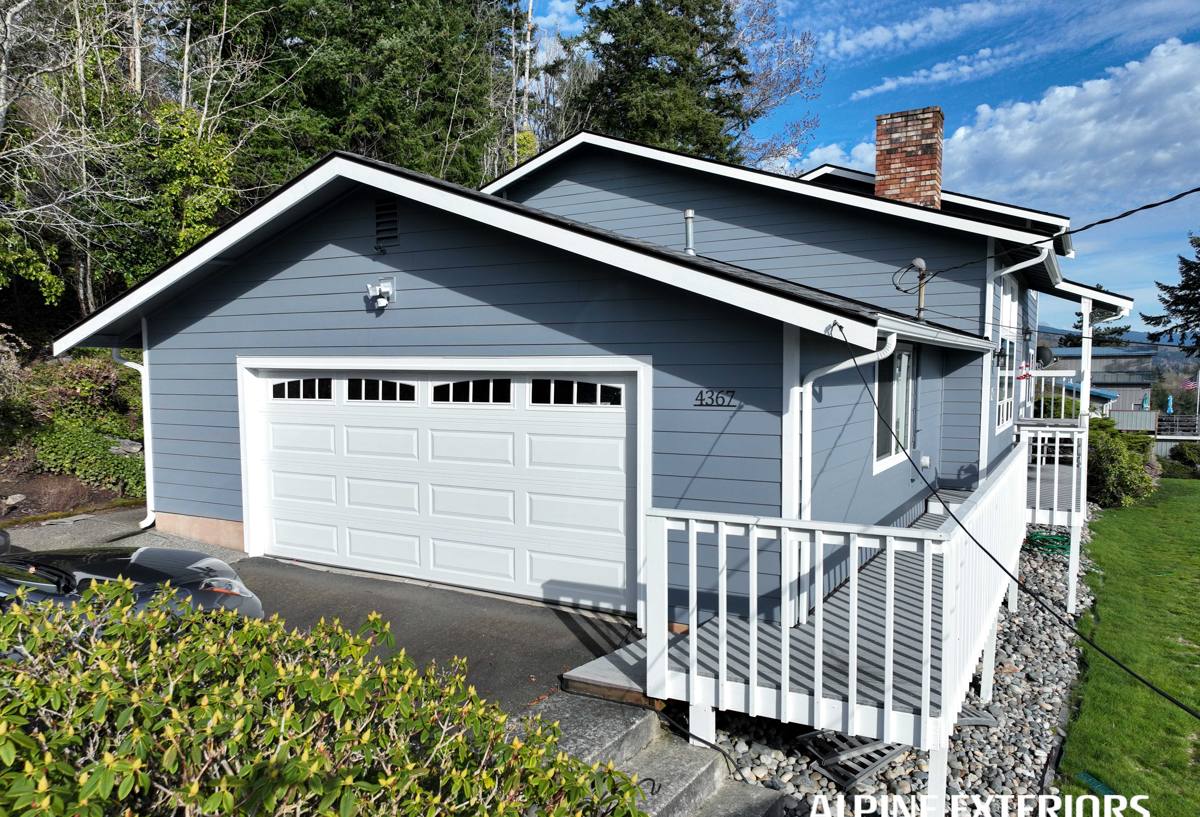
What Local Homes Actually Need From a Deck
Moisture Management Starts at the Structure, Not the Surface
Most deck failures we're called out to inspect aren't failures of the decking boards at all — they're failures of what's underneath. Ledger board flashing that wasn't detailed to shed water away from the house band board, joists without proper end-cut sealing, and post bases that trap standing water are the actual culprits. In a climate with as much sustained rainfall as Whatcom County gets, any gap in that moisture management compounds year over year.
Moss and Algae Are a Design Problem, Not Just a Cleaning Problem
A deck that stays shaded and damp for long stretches of the year will grow moss no matter what material you choose. The difference between a deck that needs occasional cleaning and one that stays slick and green most of the winter often comes down to spacing, drainage, and airflow underneath — decisions made during construction, not maintenance choices made after.
Hardware That Won't Corrode or Streak
Salt-tinged marine air accelerates corrosion on standard fasteners faster than most homeowners realize. Cheap coated screws can start bleeding rust into light-colored decking within a year or two in this environment. It's a small line item on a bid, but it's one of the most common corners we see cut on older decks we're asked to repair.
What a Correct Deck Build Involves
- Ledger board properly flashed and separated from the house wall to prevent water intrusion into the band joist or rim board
- Footings sized and set to local frost and soil conditions, not just minimum code depth
- Joist hangers, screws, and structural connectors rated for exterior/marine exposure — not general-purpose zinc coatings
- Deck board spacing calculated for the specific board width and expected seasonal movement, not a default gap
- Airflow path underneath the deck so the structure can dry out between rain events instead of staying saturated
- Stair and guardrail construction that meets current building code for rise, run, and rail height
- A drainage plan for water that runs off the deck surface, so it isn't just redirected to pool against the foundation
Skipping any one of these doesn't usually show up as an immediate problem. It shows up two, five, or eight years later as soft framing, a leaning post, or a deck that needs to be torn apart to find out why the house siding behind it is staining.
Choosing the Right Decking Material for This Climate
There's no single "best" decking material — there's a best material for how a homeowner plans to use and maintain the deck. All three common options can perform well in Edgemoor's climate when installed correctly; where they differ is upkeep and how they behave under sustained moisture.
| Material | How It Handles Rain & Moss | Maintenance | Typical Lifespan |
|---|---|---|---|
| Pressure-treated lumber | Sheds water fine when sealed; moss grows readily if not maintained | Needs re-sealing/staining every 1-2 years | 15-20 years with upkeep |
| Cedar | Naturally moisture- and insect-resistant; still needs sealing to resist graying and moss | Annual cleaning, periodic re-oiling | 15-25 years with upkeep |
| Composite / PVC decking | Doesn't absorb water or rot; moss can still grow on the surface film if shaded and unwashed | Periodic washing, no staining or sealing | 25-30+ years, manufacturer-dependent |
We install all three depending on budget and the homeowner's tolerance for maintenance. Composite has become the more common choice for shaded, moisture-prone lots because it removes rot as a variable entirely — but it isn't maintenance-free, and it isn't automatically the right call for every budget or every look a homeowner wants. We'll walk through the honest trade-offs for your specific site rather than pushing one product line by default.
Framing and Footings: Where the Real Difference Shows Up
A deck's long-term performance is decided before a single board of decking goes down. In our experience with Whatcom County soil and drainage conditions, undersized or shallow footings are one of the more common issues we find on older decks — the structure looks fine on the surface but has begun to settle unevenly. We size footings to the deck's actual load and to the soil conditions on site, and we use structural hardware rated for sustained wet exposure rather than general hardware-store fasteners.
We also pay close attention to how the deck attaches to the house. A poorly flashed ledger board is the single most common source of hidden water damage we find during deck inspections and repairs — it's a small detail with an outsized consequence when it's done wrong, because the damage happens behind the siding where it isn't visible until it's already serious.
Our Process for Edgemoor Deck Projects
1. On-Site Assessment
We look at sun exposure, existing drainage patterns, soil conditions, and how the deck will connect to your home before we talk materials or design. Shaded, north-facing sites need different spacing and airflow planning than sunnier lots.
2. Design and Material Selection
We walk through decking material, railing style, and layout with the actual maintenance level you want to commit to — not just what looks good in a catalog.
3. Permitting
Most new decks and many replacement decks in Whatcom County require a building permit, particularly once you're above a certain height off grade or attaching structurally to the home. We handle that process rather than leaving it to the homeowner to sort out.
4. Construction
Framing, flashing, and footings first — inspected before decking goes down, not after. This is the stage that determines whether the deck is still solid in fifteen years.
5. Final Walkthrough
We go over basic care for whatever material you chose, including what a normal moss-prevention routine looks like for your site's sun exposure.
Why a Crew That Already Works Edgemoor Matters
A contractor who builds decks all over Western Washington isn't necessarily wrong for the job, but a crew that already works Edgemoor and the broader Sudden Valley area has already seen how the local rain patterns, soil, and shade conditions on lots like yours behave over a full year, not just at the time of installation. We know which details fail first in this specific environment because we've been called back to fix decks that skipped them. That's a different starting point than a crew building on assumptions from a drier or less exposed region.
It also means fewer surprises during permitting, since we're familiar with the local process, and a faster response if something needs a warranty check or adjustment after the first wet season.
Maintaining a New Deck Through Whatcom County Winters
- Sweep leaves and debris off the deck surface regularly in fall — trapped organic matter is the fastest path to moss growth
- Rinse or lightly scrub shaded areas at least once during the wet season, even on composite decking
- Check that gaps between boards stay clear so water can drain through rather than pooling
- Inspect fasteners and railing connections annually for corrosion or loosening
- Re-seal wood decking on the schedule appropriate to the product you chose — don't wait until it's visibly gray or worn
None of this is complicated, but it does need to actually happen on a schedule. A deck built correctly and maintained minimally will significantly outlast one that was built with shortcuts and maintained perfectly.
Get an Honest Look at Your Project
If you're planning a new deck in Edgemoor or repairing one that's showing its age, we're happy to come take a look and give you a straightforward assessment — what your site needs, what materials make sense for your budget and maintenance preference, and a clear estimate with no pressure to decide on the spot. The form below gets you started.