 Sudden Valley Roofing
 Why Fairhaven's Coastal Exposure Wears Out Siding Faster
Homes in the Fairhaven area sit close enough to the water that siding takes a different kind of beating than it would a few miles inland. Salt-laden air corrodes fasteners and finishes over time, wind-driven rain off the water pushes moisture sideways into joints and laps that were never designed to handle it, and the region's long, damp shoulder seasons keep exterior walls wet for days at a stretch. Add in the shade from mature evergreens common throughout Whatcom County, and you get a climate that's practically built to grow moss and algae on anything that stays damp too long.
None of this means siding is doomed here. It means the material and the installation both have to be chosen with this specific exposure in mind, not treated the same as a dry-climate job. A product that performs fine in an arid region can fail early on a Fairhaven-facing wall if it wasn't engineered for sustained moisture and salt exposure.
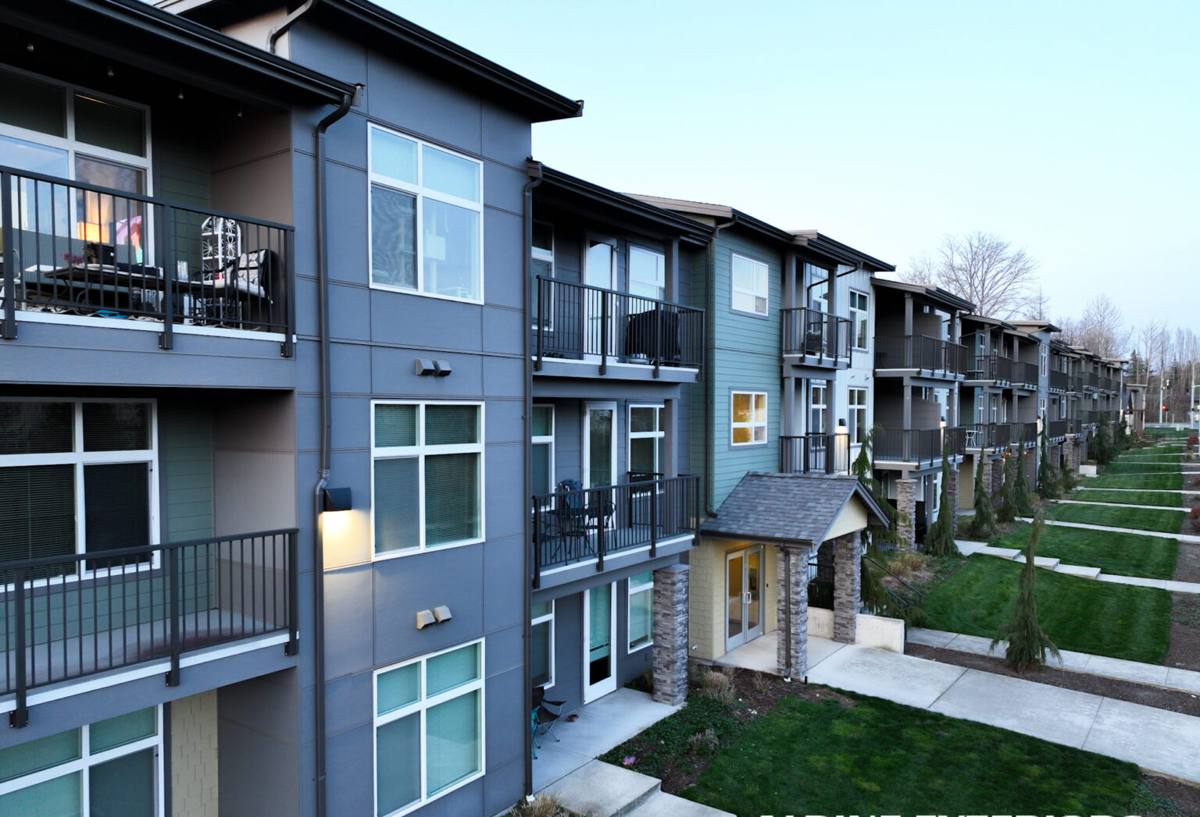
What Correct Siding Installation Actually Involves
Siding looks simple from the curb — boards or panels going up in rows — but the parts that determine whether it lasts are the parts you can't see once the job is done.
Water Management Comes First
Before a single piece of siding goes up, the wall needs a weather-resistive barrier installed correctly, with proper overlaps and integration around every window, door, and penetration. Flashing at the top of windows, at horizontal trim, and where roofs meet walls has to shed water outward and downward, never trap it against the sheathing. In a climate that gets driving rain off the water, sloppy flashing is the single most common reason siding fails early — not the siding material itself.
Fastening and Clearances
Fasteners need to be corrosion-resistant and driven correctly — not overdriven, not underdriven — and spaced to the manufacturer's specification. Siding also needs proper clearance from the ground, from roof lines, and from decks and patios so it never sits in standing water or gets buried under mulch and soil that hold moisture against it.
Caulking and Finish Details
Joints, seams, and trim need the right sealant in the right places — and just as important, sealant left out of places where the manufacturer says the material needs to breathe. Over-caulking is almost as damaging as under-caulking in a wet climate, because it can trap moisture inside the wall assembly instead of letting it escape.
Why We Only Install James Hardie Fiber Cement
We made a decision as a company to install one siding system — James Hardie fiber cement — instead of offering a menu of vinyl, wood, or engineered-wood options. That's not because those products don't have a place in the market; it's because in a marine-influenced climate like Whatcom County's, we've seen which materials hold up to salt air, sustained moisture, and moss pressure without turning into a maintenance headache for the homeowner.
Non-Combustible and Climate-Engineered
Fiber cement is non-combustible, which matters more every year as wildfire smoke and ember exposure become a regional concern even on the wet side of the state. James Hardie also builds its HZ product lines specifically for different climate zones — the HZ5 line is engineered for regions with more moisture and freeze-thaw cycling, which fits the Pacific Northwest better than a one-size-fits-all product.
ColorPlus Factory Finish
James Hardie's ColorPlus finish is baked on at the factory under controlled conditions, which gives it better fade and moisture resistance than field-applied paint and comes backed by its own finish warranty. That matters in a spot where a homeowner might otherwise be repainting every several years just to keep ahead of the weather.
A Warranty That Transfers
James Hardie's product warranty is transferable to a new owner if the home sells, which is a real factor in resale value — buyers touring a home near the water ask about siding condition, and a documented, transferable warranty answers that question before it's asked.
How Fiber Cement Compares for This Climate
| Material | Moisture Behavior | Moss/Algae Resistance | Maintenance in Marine Air |
|---|---|---|---|
| James Hardie fiber cement | Dimensionally stable, engineered for wet climates (HZ5) | Factory finish resists organic growth better than bare wood | Occasional wash; no repainting cycle with ColorPlus |
| Cedar / primed wood | Absorbs moisture, prone to swelling and rot at joints | Feeds moss and mildew if not maintained closely | Regular repainting/staining and inspection required |
| Vinyl | Doesn't rot, but can warp or crack with UV and temperature swings | Grows algae/moss in shaded, damp spots like any surface | Low, but limited repair options once damaged or faded |
| Engineered wood (LP SmartSide-type) | Treated to resist moisture but still wood-based; edge sealing is critical | Susceptible if edges or cuts aren't sealed per spec | Moderate; installation precision matters more than with fiber cement |
This isn't a claim that every alternative product fails — it's why, after weighing moisture behavior, upkeep, and long-term performance in this specific climate, we standardized on one system instead of installing several.
Our Installation Process on a Fairhaven Home
Assessment First
We start by looking at the existing wall assembly, not just the old siding. That means checking for moisture damage behind the current cladding, evaluating trim and window flashing, and identifying any spots where past water intrusion has already done damage that needs to be addressed before new siding goes up.
Tear-Off and Barrier Installation
Old siding comes off, damaged sheathing gets repaired, and a new weather-resistive barrier goes on with correct overlaps and taped seams. This step is where a lot of shortcuts happen industry-wide, and it's the step that decides whether a wall stays dry for the next few decades.
Flashing and Trim
Every window, door, and horizontal trim piece gets flashed to direct water outward, before any siding panel or plank goes over it. Given how much wind-driven rain this area sees off the water, this is not an optional detail.
Installation to Manufacturer Spec
James Hardie siding gets installed to the manufacturer's fastening, spacing, and clearance requirements — the same requirements that keep the product warranty valid. We don't deviate from spec to save time.
Final Finish and Cleanup
Caulking, touch-up, and a full site cleanup close out the job, along with a walkthrough so you know what was done and what to expect from the finish over time.
Signs Your Current Siding Is Telling You Something
- Soft or spongy spots when you press on siding, especially near the bottom courses or under windows
- Persistent moss or dark streaking that comes back within weeks of cleaning
- Visible gaps, warping, or separation at seams and corners
- Paint that's peeling or bubbling rather than just fading
- Interior signs like peeling paint, musty smell, or discoloration on walls that back up to exterior siding
- Siding that's original to a home built more than 20-25 years ago, especially wood or older engineered products
Why a Crew That Already Works This Area Matters
Coastal and near-water exposure isn't uniform even within a small region — a wall facing open water takes a different amount of wind-driven rain than a wall tucked behind trees a few blocks inland. A contractor who works Fairhaven and the surrounding Whatcom County communities regularly has a feel for which walls need extra flashing attention, where moss pressure runs highest, and how local permitting and inspection expectations work — none of which you get from a crew driving in from out of the area for a one-off job.
There's also the matter of being reachable afterward. Siding installed correctly shouldn't need much attention, but if a question comes up in year three or year ten, it matters that the company that did the work is still local and still standing behind it.
Maintenance in a Salt-Air, Moss-Season Climate
Even the right siding, installed correctly, benefits from basic upkeep in this climate. A gentle rinse once or twice a year clears salt residue and organic buildup before it takes hold. Keeping gutters clear and vegetation trimmed back from walls reduces the shaded, damp conditions moss favors. Because James Hardie's ColorPlus finish is factory-applied and warranted, you're not on a repainting schedule the way you would be with bare wood — but a quick annual look at caulking and trim is still worth the time.
If you're weighing a siding replacement or dealing with a wall that's showing its age, we're happy to take a look and walk you through what we're seeing — no pressure, no obligation. Reach out for a free estimate using the form below.