 Sudden Valley Roofing
 New Roof Installation for Acme Homes
Acme sits in a stretch of Whatcom County where tall timber, heavy tree cover, and a long wet season shape everything about how a roof performs. If you're planning a new roof installation here, the job isn't just about picking shingles you like the look of — it's about choosing a system and installation method that can stand up to months of steady rain, shaded roof planes that stay damp longer than they should, and the moss growth that comes with both. Sudden Valley Roofing Co installs new roofs for homeowners throughout this area, and we build every job around what actually holds up here, not just what's popular on a showroom display.
A correctly installed roof in Acme has to manage water first and looks second. Get the water management right and the rest of the roof — shingles, trim, gutters — lasts as long as it's supposed to. Get it wrong, and even premium materials will fail early from trapped moisture, moss intrusion, or slow leaks that don't show up until there's already damage underneath.
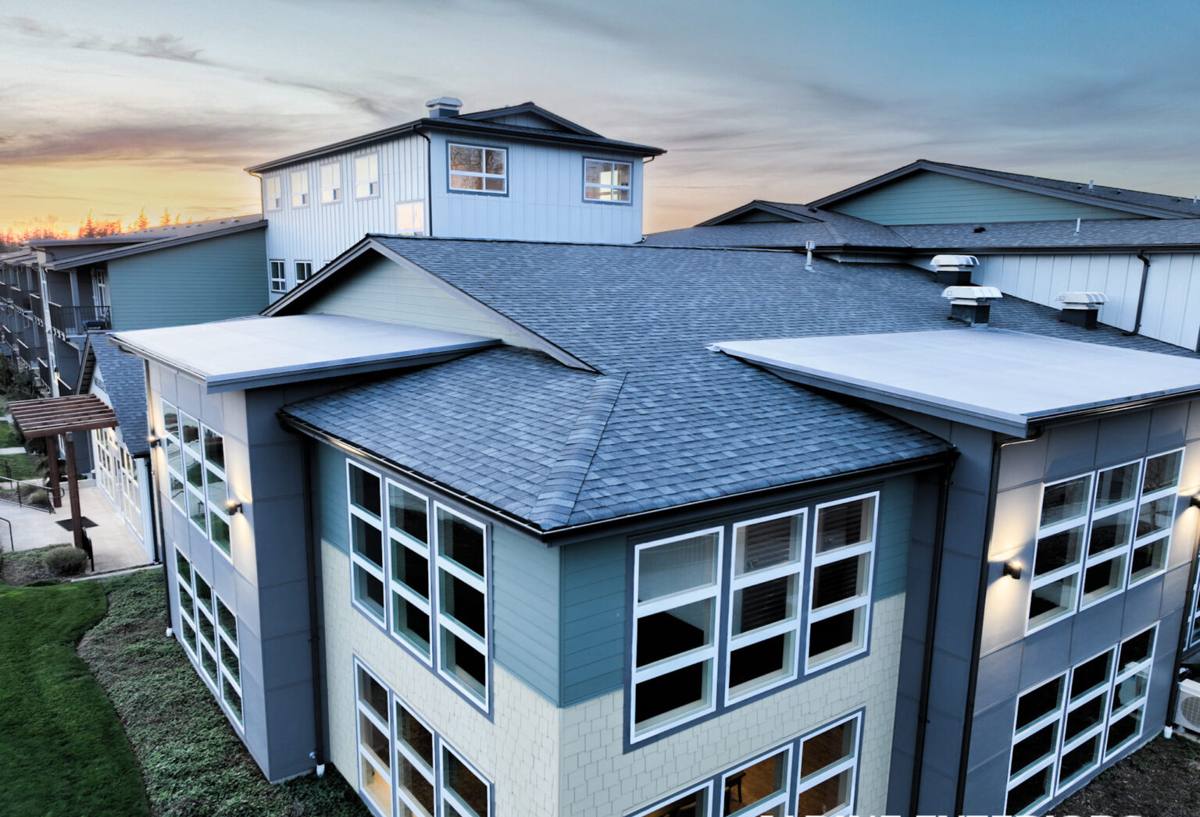
What Acme's Climate Actually Does to a Roof
Whatcom County gets a lot of rain, and Acme's setting — with more tree canopy and shade than open, exposed lots closer to town — means roofs here often stay damp longer after a storm passes. That extra drying time is exactly what moss, algae, and moisture-related wood rot need to get established. Add in the region's exposure to salt-laden air moving in off the Sound on certain weather patterns, and you've got conditions that are genuinely tougher on roofing materials than a lot of homeowners realize.
The three things we design around
- Driving rain: wind-driven storms push water sideways and upward under standard laps if flashing and underlayment aren't installed correctly.
- Moss season: shaded, north-facing, and tree-covered roof sections in Acme can stay wet for a large part of the year, giving moss a long runway to take hold in shingle mat and around fasteners.
- Salt-influenced air: over time, airborne salt content common to this part of Whatcom County can accelerate corrosion on exposed metal fasteners, flashing, and vents if the wrong-grade materials are used.
None of these are reasons to avoid a new roof — they're reasons to install one correctly the first time, with materials and details matched to what the roof will actually face year-round.
What a Correct New Roof Installation Involves Here
A new roof isn't just stripping old shingles and nailing down new ones. In a climate like this, the details underneath the shingles matter as much as the shingles themselves.
Tear-off and deck inspection
We remove the existing roofing down to the deck so we can actually see what's there. In older Acme homes, this is often where hidden moisture damage from years of slow moss-related saturation turns up — soft spots, delamination, or rot around valleys and penetrations. Any compromised decking gets replaced before anything new goes down; installing new roofing over a damaged deck just hides a problem that will resurface.
Underlayment built for wet climates
Standard felt underlayment is a minimum, not a standard, in a place that sees this much sustained rain. We install synthetic or self-adhered underlayment in vulnerable areas — valleys, eaves, low-slope transitions — as a second line of defense in case wind-driven rain gets past the primary roofing surface.
Ice and water protection at eaves and valleys
Even without heavy snow load being the primary concern here, eaves and valleys are where water concentrates fastest during a hard rain. Self-adhering membrane in these zones prevents backup and seepage that ordinary underlayment can't fully stop.
Flashing that's actually sealed, not just placed
Chimneys, skylights, wall intersections, and vent penetrations are the most common source of new-roof leaks — and it's almost always a flashing issue, not a shingle issue. We use corrosion-resistant flashing and proper step, counter, and apron detailing at every penetration and wall transition, which matters more here given the corrosive potential of salt-influenced coastal air over time.
Ventilation matched to shaded roof planes
A roof that can't breathe traps moisture in the attic, which works against everything the exterior roofing is trying to do. Balanced intake and exhaust ventilation keeps attic humidity down, which slows both moss growth and premature aging of the shingles from the underside.
Roofing Materials: What Holds Up in This Environment
There's no single "best" roofing material for every home — it depends on the roof's pitch, tree exposure, budget, and how long you want to go before major maintenance. Here's how the common options actually perform under Acme's conditions.
| Material | Moss Resistance | Maintenance | Typical Lifespan Here |
|---|---|---|---|
| Standard architectural asphalt shingle | Moderate — benefits from periodic cleaning | Low to moderate | 20–25 years with upkeep |
| Algae-resistant (copper-granule) shingle | Higher — granules inhibit growth longer | Low | 25–30 years |
| Standing seam metal | High — smooth surface sheds moss more easily | Low | 40–50+ years |
| Cedar shake | Low without regular treatment | High — needs regular maintenance | Varies significantly with upkeep |
For most Acme homes with real tree cover, we lean toward algae-resistant asphalt shingles or metal roofing when the budget allows — both reduce the moss and algae maintenance burden significantly compared to standard shingles. We'll walk you through the honest trade-offs for your specific roof rather than pushing one product across the board.
Our Installation Process
- On-site inspection and estimate: we walk the roof (weather permitting) and assess pitch, tree exposure, ventilation, and existing damage before quoting anything.
- Material selection: we go over options suited to your roof's shade exposure and your budget, not just what's in stock.
- Scheduling around weather: in this climate, we plan installations around dry windows to keep the deck protected during tear-off.
- Tear-off, deck repair, and dry-in: old roofing comes off, damaged decking is replaced, and the roof is dried in with underlayment the same day where possible.
- Flashing, ventilation, and final installation: all penetrations, valleys, and vents are detailed before the finish roofing goes on.
- Final walk-through: we review the completed roof with you, including any moss-prevention or maintenance recommendations specific to your property's shade exposure.
What to Ask Before You Hire Anyone for This Job
A new roof is a major investment, and Acme's tree cover and moisture exposure make correct installation more important — not less — than it would be on a wide-open, sun-exposed lot. Before hiring any crew, it's worth checking:
- Do they carry current Washington state contractor licensing and insurance, and will they provide proof without hesitation?
- Do they inspect and address deck condition as part of the job, not just lay new shingles over the old deck?
- Do they detail valleys, eaves, and penetrations with wet-climate-appropriate underlayment and flashing — not just standard felt everywhere?
- Do they talk about ventilation as part of the installation, or only about the shingles on top?
- Do they have experience with shaded, tree-covered roofs specifically, not just open-lot installations?
- Is the warranty structure — manufacturer and workmanship — explained clearly, including what voids it?
A crew that already works regularly in Acme and the surrounding Sudden Valley area has seen how local roofs actually age — where moss tends to start, which valleys back up first, which flashing details fail under this rainfall pattern. That's not something you get from a crew that mostly works dry, open subdivisions elsewhere in the county.
Maintenance That Extends the Life of a New Roof Here
Even a well-installed roof benefits from a bit of ongoing attention in a climate like this. A few habits go a long way:
- Keep gutters clear of needles and debris so water isn't backing up under the roof edge during heavy rain.
- Have moss growth addressed early — light growth is far easier and cheaper to manage than moss that's had a season or two to establish itself in the shingle mat.
- Trim overhanging branches where practical to reduce shade, debris buildup, and abrasion on the roof surface.
- Schedule a roof check after major storms, particularly ones with high wind, to catch any lifted shingles or damaged flashing before they lead to a leak.
Why Local Installation Experience Matters in Acme
Roofing materials are rated and tested to general standards, but how they actually perform depends heavily on the specific conditions of the roof they're installed on. A shingle warranty doesn't account for a roof that stays shaded and damp for most of the year, or for the corrosive effect of salt-influenced air on fasteners over decades. That's local knowledge, built from working on roofs in this specific part of Whatcom County — not something that comes from a general product spec sheet.
When we quote a new roof installation in Acme, the recommendation accounts for your roof's actual sun and shade exposure, tree proximity, pitch, and how the property has handled moisture in the past. That's the difference between a roof that looks right on installation day and one that's still performing well ten and twenty years down the road.
If you're considering a new roof for your Acme home, we're glad to come out, take an honest look, and put together a clear, no-pressure estimate. Use the form below to get started.