 Sudden Valley Roofing
 Why South Hill Windows Take More Abuse Than Most
Homes on South Hill sit in a spot where Whatcom County's weather shows up in full force. Wind-driven rain comes in sideways for months at a time, salt-tinged air off the water works into every seam and gasket, and the shaded, damp stretches of the year keep moss and mildew going long after other parts of the state have dried out. Windows are one of the first components of a house to show the wear from all of that. Seals fail early, aluminum and lower-grade vinyl frames pit and discolor, and wood sashes that aren't detailed correctly start soaking up moisture at the sill before the homeowner ever notices a leak inside.
None of this means South Hill needs exotic or overbuilt windows. It means the installation has to respect how water actually moves on this hill — where it collects, where wind pressure pushes it, and how long a surface stays wet before it dries. A window that would be perfectly fine in a drier inland town can underperform here simply because it wasn't detailed for sustained coastal moisture.
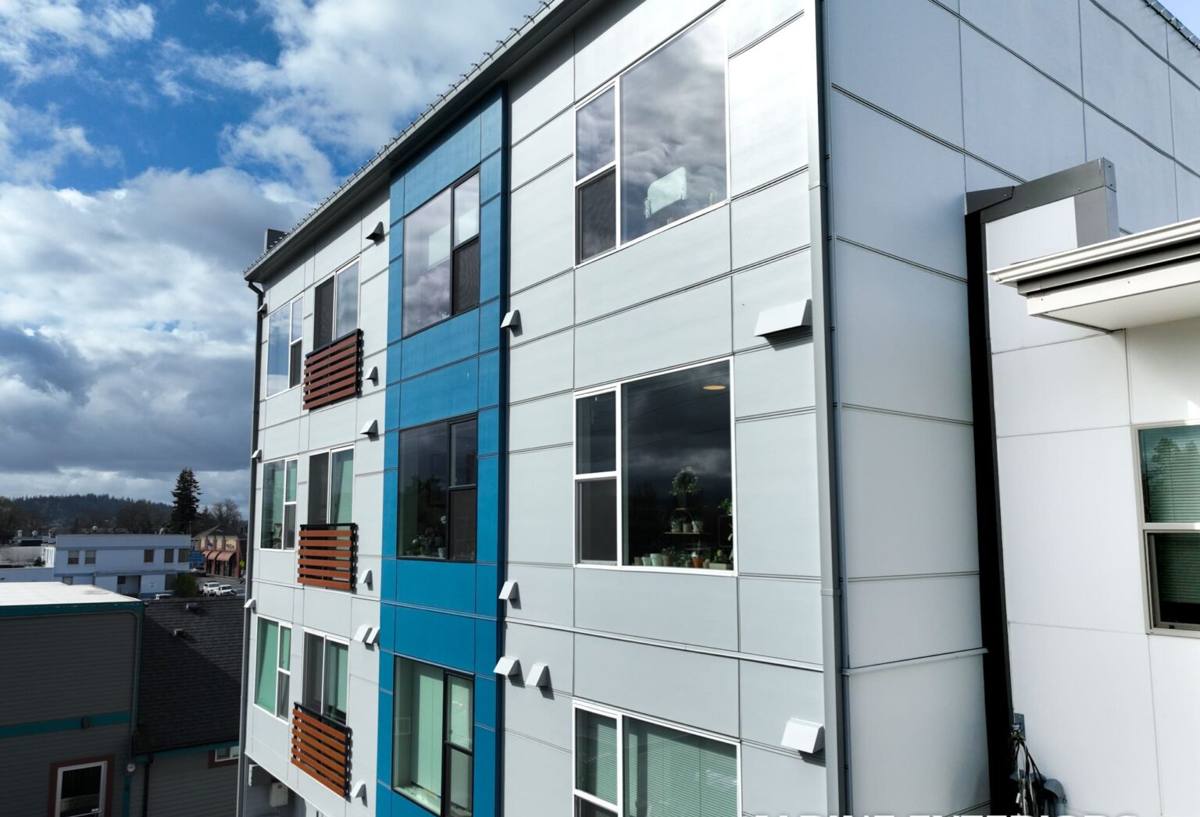
Signs a South Hill Home Is Due for Window Replacement
Most homeowners come to us after noticing one or two symptoms, not because they set out to replace windows. Here's what we're usually called out for:
- Fogging or a permanent haze between the panes — the seal on the insulated glass unit has failed
- Soft or spongy wood at the sill or bottom corners of the frame
- Drafts you can feel with your hand near the frame on a windy day
- Difficulty opening, closing, or latching — frames have swollen, warped, or racked out of square
- Visible moss or black mildew staining building up on the sill or exterior casing every winter
- A noticeable jump in heating costs with no other explanation
- Condensation forming on the inside of the glass regularly, even in normal humidity
Any one of these is worth a look. Several at once usually means the window's service life is over, not just the weatherstripping.
What a Correct Window Replacement Actually Involves
It's Not Just Swapping Glass
A window replacement done right is as much about the opening as it is about the window itself. The frame, the flashing, the sill pan, and the seal between the window and the wall assembly all have to work together to keep water out — the window unit itself is only one piece of that system. On a hill exposed to driving rain, a technically good window installed with the wrong flashing detail will still leak.
What We Check Before We Ever Order a Window
- Condition of the framing and sheathing around the existing opening — any rot gets addressed before the new window goes in, not covered up
- Whether the opening is square and true, or needs correction
- Existing flashing and how water has historically been directed away from that opening
- Sun and wind exposure specific to that wall, since south- and west-facing walls on this hill take the brunt of the weather
- Interior and exterior trim condition, so the finished look matches the rest of the house
Our Replacement Process, Start to Finish
1. On-Site Assessment
We walk the exterior and interior of every window being considered, note framing condition, and measure precisely. This is also when we talk through frame material, glass package, and budget — no pressure, no upsell script.
2. A Written Scope and Quote
You get a clear breakdown of what's being replaced, what products are being used, and what the job costs — before any work starts, not after.
3. Removal and Opening Inspection
Old windows come out carefully. This is the point where hidden rot or water damage, if any, becomes visible — and we'll show you what we find and what it takes to fix it correctly, rather than closing it up and hoping.
4. Flashing and Sealing
Proper flashing — sill pan, jamb flashing, and head flashing integrated with the house wrap or building paper — is the difference between a window that stays dry and one that doesn't. This step matters more here than in drier climates, and it's not optional.
5. Installation and Shimming
The new window is set plumb, level, and square, shimmed correctly, and fastened per the manufacturer's specification — which is also what keeps the warranty valid.
6. Insulation, Trim, and Cleanup
Gaps get insulated (not overpacked, which can bow the frame), trim is finished to match, and the site is cleaned up before we call the job done.
Choosing Windows for the Whatcom County Climate
There's no single "best" window — the right choice depends on exposure, budget, and how much upkeep you want to take on. Here's how the common frame materials hold up under South Hill conditions specifically:
| Frame Material | Moisture Performance | Maintenance | Typical Fit for South Hill |
|---|---|---|---|
| Vinyl | Good — won't rot, resists moisture well | Low — occasional cleaning | Solid all-around choice for most exposures |
| Fiberglass | Excellent — very stable in wet, shifting weather | Low | Strong option for the most exposed, wind-driven walls |
| Wood (clad exterior) | Good if detailed correctly, vulnerable if not | Moderate — exterior clad protects, interior wood still needs care | Works well for character homes, needs a careful installer |
| Aluminum | Poor in this climate — conducts cold, prone to condensation and corrosion near salt air | Moderate to high | We generally steer clients away from it here, for durability and energy reasons, not appearance |
Glass matters as much as frame. A double-pane, low-E unit with argon fill is the baseline we recommend for this area — it cuts heat loss and helps control the condensation that shows up on colder, damper mornings. Triple-pane is worth discussing for north- and west-facing rooms that take the most weather and wind.
What Drives the Cost of a Window Replacement
Every home and opening is different, but these are the factors that actually move the price:
| Factor | Why It Matters |
|---|---|
| Frame material | Vinyl is typically the most budget-friendly; fiberglass and clad wood cost more up front |
| Number of openings | Whole-house jobs generally cost less per window than a handful done piecemeal |
| Condition of the existing opening | Rot repair or reframing adds labor beyond the window itself |
| Glass package | Low-E coatings, gas fill, and triple-pane options add cost but improve comfort and efficiency |
| Window size and style | Large picture windows, bays, and custom shapes cost more than standard double-hungs or sliders |
| Trim and finish work | Matching existing interior trim or repainting exterior casing adds to the scope |
We'll walk through which of these actually apply to your home before quoting anything — broad ranges without seeing the openings aren't useful to either of us.
Why Hiring a Crew That Already Works South Hill Matters
A crew that's replaced windows across South Hill and the rest of Sudden Valley has already seen how water behaves on this specific terrain — which walls take the worst of the wind-driven rain, which openings tend to have hidden rot from years of moisture exposure, and which installation details actually hold up through a full Whatcom County winter. That's not something you get from a general handyman crew or an installer based somewhere drier who's passing through. It shows up in fewer callbacks, fewer surprises once the old window comes out, and a finished job that's actually sealed for the conditions it has to survive.
Mistakes We Commonly Find From Other Installations
- Windows caulked shut around the exterior instead of properly flashed — this traps water rather than directing it out
- Missing or incomplete sill pan flashing, which lets water sit against the framing
- Over-packed insulation around the frame, which bows it out of square and stresses the seal
- Fasteners driven through the frame in the wrong locations, voiding manufacturer warranties
- Rot covered with new trim instead of repaired, so the problem resurfaces within a few years
- Mismatched glass packages installed with no regard to which direction the wall faces
If any of these sound familiar from a past job on your home, it's worth having them checked — problems like these tend to get more expensive the longer they sit.
After Installation: Keeping Windows Performing in This Climate
New windows still need a small amount of seasonal attention here. Rinse frames and tracks periodically to keep salt residue and grime from building up, keep an eye on exterior caulk lines for cracking, and clear moss or debris off sills and nearby trim before it holds moisture against the wood or frame. None of this is heavy maintenance — it's the kind of five-minute check that keeps a proper installation performing the way it's supposed to for its full lifespan.
If your South Hill home has windows showing any of the wear signs above, or you're simply ready to stop fighting drafts and fogged glass, we're happy to take a look. Reach out for a free, no-pressure estimate using the form below — we'll walk the openings with you and give you a straight answer on what your home actually needs.