 Sudden Valley Roofing
 Windows Built for Sunnyland's Weather, Not Just the Showroom
Sunnyland homes sit close enough to the water and the tree line that window problems show up differently here than they do inland. Salt-laden air off the bay works on hardware and metal components year-round. Driving rain off winter storms tests every seal and flashing detail. And the long stretch of gray, damp months that blankets Whatcom County builds moss and mildew on anything that stays wet too long — including window sills, trim, and the wood framing hiding behind them. A window that's "fine" in a dry inland climate can fail early here if it wasn't installed with this specific environment in mind.
This page is about one job, done right, in one area: window installation for Sunnyland-area homes near Sudden Valley. Not a general overview of every siding or roofing service we offer — just what your windows actually need, what correct installation looks like, and why it matters that the crew showing up already knows this neighborhood.
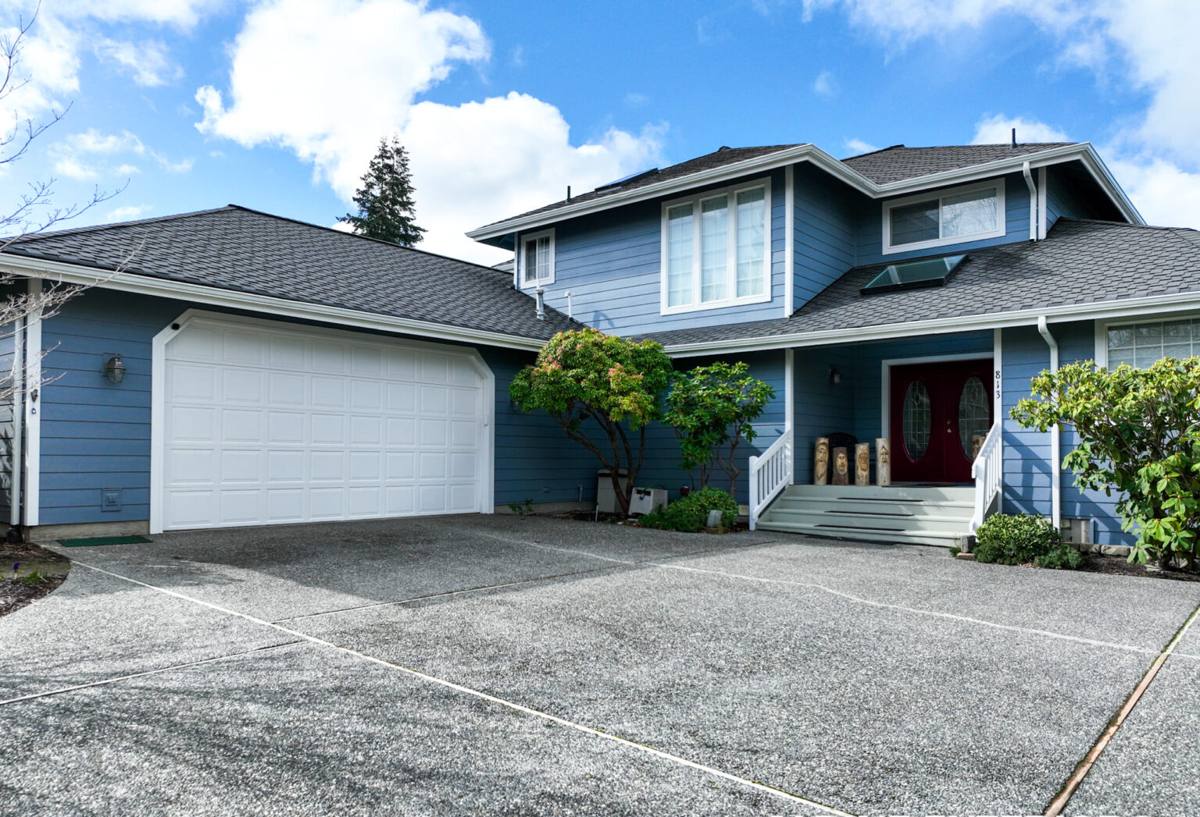
What Sunnyland's Climate Does to Windows Over Time
Salt Air and Metal Fatigue
Proximity to open water means airborne salt settles on everything outdoors, including window frames, hinges, and cranks. Aluminum and lower-grade vinyl hardware can corrode or stiffen faster in this environment than manufacturers' generic warranty language accounts for. It's not a reason to avoid certain products outright — it's a reason to choose hardware and finishes with real corrosion resistance and to make sure weep holes and drainage paths stay clear so moisture (salty or not) doesn't sit against metal parts.
Driving Rain and Wind-Driven Water
Storms here don't always come straight down. Wind pushes rain sideways into wall assemblies, and a window opening is the weakest point in that wall unless it's flashed correctly. Most of the "leaky window" calls we get aren't actually a bad window — they're a window that was installed without proper flashing integration into the wall's water-resistive barrier. The window itself can be excellent and still leak if the installation didn't account for wind-driven rain.
The Long Moss and Mildew Season
Whatcom County's wet season runs long, and anything that holds moisture — shaded sills, horizontal trim, gaps where caulking has failed — becomes a growth surface for moss and mildew. On windows specifically, this shows up as dark streaking on sills, soft spots in wood trim, and swollen or sticking sashes. It's cosmetic at first, but it's also an early warning sign of moisture getting past the exterior seal.
Signs a Sunnyland Home Needs Window Attention
- Visible gaps, dried-out, or cracking caulk around the frame exterior
- Soft, discolored, or spongy wood trim or sill material
- Windows that are hard to open, close, or lock — often a sign of frame swelling or settling
- Fogging or moisture between glass panes (a failed seal on double- or triple-pane units)
- Drafts you can feel near the frame even when the window is fully latched
- Musty smell or visible mildew on interior sills, especially on north- or shade-facing walls
- Condensation on the inside of the glass that wasn't there a few years ago
Any one of these can be minor. Two or three together, especially on a home more than 15-20 years old, usually means it's worth having someone look at the whole opening — not just the window unit.
What a Correct Window Installation Actually Involves
Swapping an old window for a new one sounds simple, and the unit itself can go in fast. The part that determines whether it performs for the next 20+ years is everything around it.
Before the New Window Goes In
We check the rough opening for square, level, and rot. Any soft or water-damaged framing gets addressed before a new window goes anywhere near that hole — installing a new window into a compromised opening just hides the problem for a while and lets it keep going.
Flashing and Water Management
This is the step that separates a window that survives a Whatcom County winter from one that doesn't. Proper flashing integrates with the existing water-resistive barrier so water is directed out and down, never trapped behind the siding. Sill pan flashing, head flashing, and correct lap sequencing (each layer overlapping the one below it, shingle-style) matter more here than in drier climates because the volume and frequency of wind-driven rain is higher.
Air Sealing and Insulation
The gap between the window frame and the rough opening gets sealed and insulated correctly — not overpacked with expanding foam (which can bow the frame) and not left with gaps that draft and let moisture-laden air condense inside the wall cavity.
Exterior Sealant and Trim
The final exterior caulk joint is a backup to the flashing system, not the primary defense against water. We use sealants rated for this climate and finish trim details so water sheds away from the window rather than pooling on a horizontal surface.
Choosing the Right Window for a Sunnyland Home
There's no single "best" window brand or material — the right choice depends on the home's exposure, budget, and how much upkeep the owner wants to do. We'll talk through real options rather than pushing one line, but here's the general trade-off picture for this climate:
| Frame Material | How It Handles This Climate | Maintenance |
|---|---|---|
| Vinyl | Good moisture and salt-air resistance; won't rot; performance varies a lot by manufacturer quality | Low — occasional cleaning |
| Fiberglass | Very stable in temperature swings and humidity; strong long-term option near salt air | Low |
| Aluminum | Durable but conducts cold and can corrode faster in salt air without a quality finish | Moderate — watch hardware and finish |
| Wood / Wood-Clad | Best appearance for some homes, but the wood core is the most vulnerable to our wet season if seals ever fail | Higher — periodic refinishing and inspection |
Whatever frame material fits your home, glazing matters too. Double-pane, low-E glass is the practical minimum for this region's temperature swings and energy costs; triple-pane can be worth it on north- or west-facing exposures that take the worst of the wind and rain, but it's a bigger investment and not always necessary on every elevation.
Why a Sunnyland-Familiar Crew Matters
Window installation isn't exotic work, but the details that make it last are regional. A crew that installs windows across a lot of different climates may default to generic flashing and sealing methods that are adequate in a dry climate and inadequate here. A crew that regularly works Sudden Valley and the surrounding Sunnyland area already knows:
- Which wall assemblies and siding types are common in this neighborhood and how to flash into them correctly
- How much margin to build in for wind-driven rain on exposed elevations
- What sealant and hardware specs actually hold up through repeated wet seasons, not just the first one
- How to spot early moss/mildew and hidden rot before it becomes structural
That local pattern-recognition is the difference between a window that's still tight in year 15 and one that's leaking by year 5.
Our Process for a Sunnyland Window Job
1. On-Site Assessment
We look at the existing openings, framing condition, and any visible water damage before recommending anything. Some homes need straightforward unit replacement; others need framing repair first.
2. Honest Product Recommendation
We walk through frame material and glazing options suited to your home's exposure and budget — no pressure toward a particular brand.
3. Careful Removal
Old units come out without unnecessary damage to surrounding siding or trim, and we inspect the opening as soon as it's exposed.
4. Correct Flashing and Installation
Sill pan flashing, proper lap sequencing, air sealing, and insulation — done to hold up against wind-driven rain, not just look finished.
5. Finish and Walkthrough
Interior and exterior trim finished, sealant applied, and every window operated and checked before we call the job done.
Cost Factors for Window Installation
Every home is different, so we won't quote a number without seeing the job, but here's what actually moves the price:
| Factor | Why It Matters |
|---|---|
| Number of openings | More windows means more material and labor, but per-unit cost often drops on larger jobs |
| Frame material and glazing | Vinyl, fiberglass, aluminum, and wood carry different unit costs, and triple-pane costs more than double-pane |
| Existing framing condition | Rot or water damage found during removal adds repair work before the new window can go in |
| Window size and configuration | Larger units, custom shapes, and multi-panel configurations cost more than standard sizes |
| Access and elevation | Second-story or hard-to-access windows take more time and equipment |
Get a Straight Answer for Your Home
If you're seeing drafts, sticking sashes, fogged glass, or soft trim on a Sunnyland-area home, it's worth having someone look before another wet Whatcom County season passes. We'll give you an honest read on what's actually going on and what it would take to fix it right — no pressure, no upsell. Reach out for a free, no-pressure estimate using the form below.