 Sudden Valley Roofing
 Window Installation Built for Alger's Weather
Windows in the Alger area take a beating that homes further inland never have to deal with. Between the salt-laden air moving off the water, the driving rain that comes sideways in a winter storm, and a moss season that seems to stretch longer every year, window frames, sills, and seals here age faster than the manufacturer's warranty assumes they will. A window installation that would hold up fine in a dry climate can start failing within a few years out here if it isn't done with this specific environment in mind.
This page covers what a proper window installation looks like for a home in Alger and the surrounding Whatcom County service area — what the climate actually does to windows, what a correct install involves, and why it matters who you hire to do it.
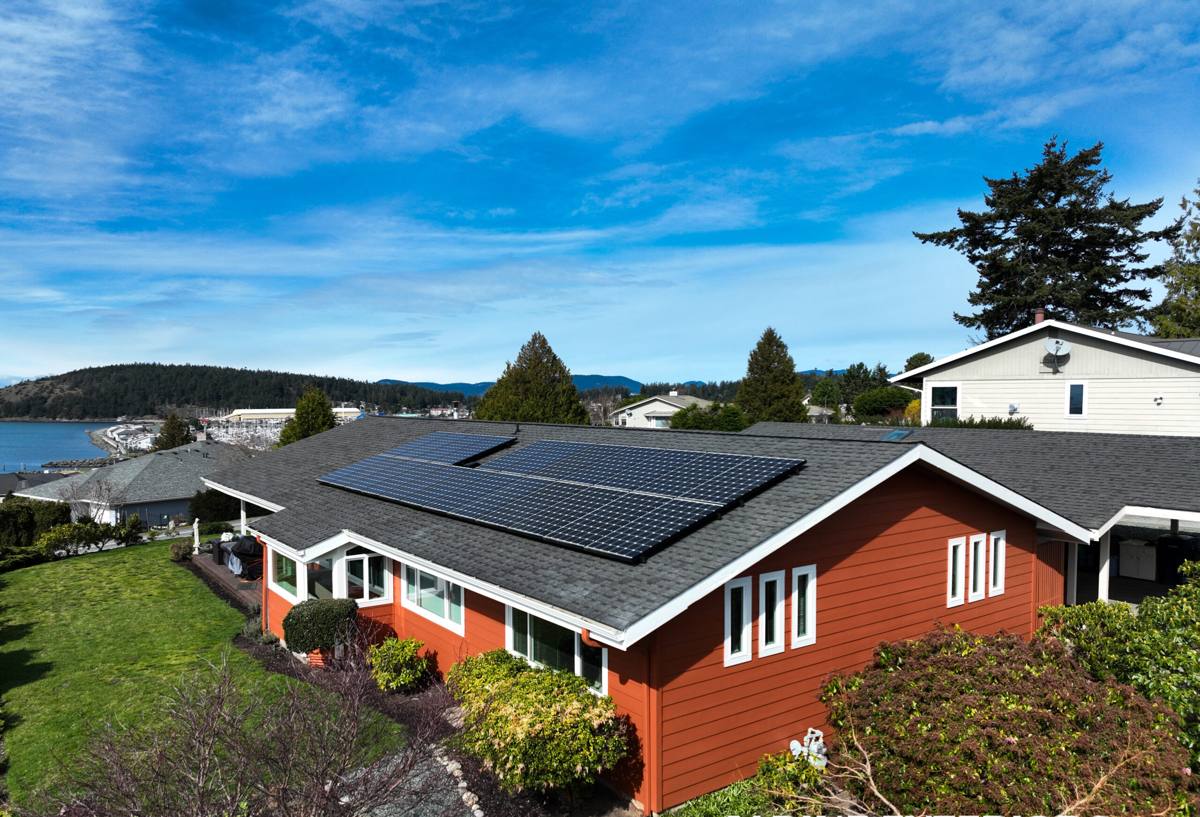
What This Climate Does to Windows Over Time
Salt Air and Corrosion
Homes closer to the water pick up airborne salt that settles on metal hardware, aluminum frames, and fasteners. Over years, that salt accelerates corrosion on hinges, locks, and cranks, and it can pit unprotected aluminum finishes. It's rarely dramatic — it's a slow decline that shows up as windows that stick, latches that won't seat right, or hardware that looks chalky and worn well before it should.
Driving Rain and Water Intrusion
Wind-driven rain doesn't just fall on a window, it gets pushed into every gap around it. If the flashing, sealant, or sill pan wasn't installed correctly the first time, water finds its way behind the trim and into the wall cavity. You often won't see it happening — you'll see the result later as soft trim, bubbled paint, or a musty smell near the window.
Moss, Mildew, and Frame Rot
A long, damp moss season means anything that stays wet for extended stretches — wood sills, exterior trim, the bottom corners of a window frame — is at risk of hosting moss and mildew growth. On wood-framed windows especially, that moisture retention is what eventually leads to soft, rotting wood at the corners and sill, which is one of the most common reasons we get called out to replace a window that's otherwise still functional.
Signs a Home in Alger May Need New Windows
Not every window problem means a full replacement, but these are the signs worth taking seriously before they turn into a bigger repair:
- Visible gaps, soft spots, or discoloration at the bottom corners of the frame or sill
- Windows that are difficult to open, close, or lock, especially after rain
- Condensation building up between panes, which usually means a failed seal
- A noticeable draft near the window even when it's fully closed
- Visible moss, algae, or persistent black mildew on the frame or sill that keeps coming back
- Noticeably higher heating bills without another clear cause
- Paint that's cracking, peeling, or bubbling on or near the window trim
What a Correct Window Installation Actually Involves
Removal and Inspection
Pulling the old window is when you find out what's really going on. We check the framing underneath for rot, moisture staining, or insect damage before anything new goes in. Installing a new window over a compromised frame just hides a problem that will come back — so if there's rot, it gets addressed first, not covered up.
Flashing and Weatherproofing
This is the step that determines whether a window actually keeps water out, and it's also the step that gets rushed most often on lower-quality installs. Proper flashing — including a sloped sill pan so any water that does get in drains back out instead of pooling — combined with correctly lapped house wrap and quality sealant is what actually stops driving rain from getting behind the wall. Skipping or shortcutting this is the single biggest cause of window-related water damage we see.
Insulation and Air Sealing
The gap between the window frame and the rough opening needs to be filled with the right insulating material — not stuffed too tight, not left with big voids. Done correctly, this stops drafts and closes off a path for moisture to travel into the wall cavity.
Trim, Finish, and Hardware
The final trim work isn't just cosmetic — it's another layer of protection against water intrusion, and it's what makes the window look like it belongs on the house rather than looking like an add-on. We also check that all hardware operates smoothly and is set correctly before we consider the job finished.
Choosing the Right Window Material for This Climate
Every frame material has trade-offs. For homes dealing with salt air, sustained rain, and long damp stretches, some materials simply require less upkeep to hold up well over time.
| Frame Material | How It Holds Up Locally | Maintenance |
|---|---|---|
| Vinyl | Doesn't corrode from salt air or rot from moisture; performs consistently in wet climates | Low — occasional cleaning |
| Fiberglass | Very stable in temperature swings and moisture exposure; strong long-term performer | Low |
| Wood | Attractive, but the most vulnerable to the rot and moss issues common in this climate without diligent upkeep | High — regular painting/sealing |
| Aluminum | Can corrode and pit over time with salt air exposure; also conducts more cold | Moderate |
| Wood-clad (wood interior, vinyl/aluminum exterior) | Combines interior appearance with better exterior weather resistance, though the exterior cladding still needs sound flashing to perform | Low to moderate |
We don't push a single brand or material on every homeowner. Our standard is choosing what will actually hold up on your specific home given its sun exposure, wind exposure, and how sheltered or exposed the window openings are — and being upfront if a wood-frame window means committing to real ongoing maintenance in this climate.
Our Window Installation Process
- On-site assessment — We look at your existing windows, framing condition, and the specific exposure your home has to wind, rain, and sun.
- Honest recommendation — We walk you through material and style options that fit your home and budget, without upselling something you don't need.
- Measurement and ordering — Precise measurements matter; an ill-fitting window is one of the most common causes of future leaks.
- Removal and framing check — Old windows come out, and we inspect and repair any framing issues before installing the new unit.
- Installation with proper flashing — Sill pan, flashing, insulation, and sealant go in following manufacturer specs and sound building practice, not shortcuts.
- Finish work and walkthrough — Trim is finished, hardware is checked, and we walk the job with you before we call it done.
What Affects the Cost of Window Installation
Every home is different, so we won't quote a number without seeing the job, but these are the main factors that move the price up or down:
| Factor | Why It Matters |
|---|---|
| Number of windows | Per-window cost typically drops somewhat as the total job size increases |
| Frame material | Vinyl and fiberglass generally cost less upfront than wood or wood-clad options |
| Window size and style | Larger units, custom shapes, or specialty operating styles cost more than standard sizes |
| Condition of existing framing | Rot or water damage found during removal adds repair work before the new window can go in |
| Access and height | Second-story or hard-to-reach windows take more labor and equipment |
| Full-frame vs. insert replacement | Replacing just the sash into an existing frame costs less than a full tear-out, but isn't always the right long-term fix if the frame is compromised |
As a broad range, homeowners in this area typically see individual window installations run anywhere from a few hundred dollars per window for straightforward insert replacements up to well over a thousand per window for larger, full-frame, or premium-material installs. The only way to get an accurate number is a walkthrough of your specific windows.
Why It Matters That We Already Work in Alger
A crew that regularly works this area already understands how exposed a given lot is likely to be, what kind of moisture problems tend to show up in older homes here, and how to sequence a job around the wet stretches of the year rather than fighting them. That familiarity with Whatcom County's building conditions and weather patterns means fewer surprises during the job and a better shot at an installation that's still performing well a decade from now, not just at the final walkthrough.
It also means we're not learning on your house. We've seen what happens when flashing is done wrong in this climate, and we build every installation to avoid becoming that callback.
After Installation: What to Expect
A correctly installed window in this climate still benefits from a little seasonal attention. Rinsing salt residue off exterior hardware a couple of times a year, keeping gutters and downspouts clear so water isn't sheeting down over window trim, and checking caulking lines annually for cracking will meaningfully extend the life of the installation. We're happy to point out what to watch for on your specific windows when the job is finished.
If your windows in the Alger area are showing their age, or you're planning ahead rather than waiting for a problem to show up, we're glad to take a look and give you a straight answer. Reach out for a free, no-pressure estimate using the form below.