 Sudden Valley Roofing
 Roof Repair Built Around How Geneva Weather Actually Behaves
Geneva sits close enough to Sudden Valley that homes here face the same core problem year after year: a long, wet season that never really lets a roof dry out completely, combined with air that carries enough moisture and salt influence off the water to accelerate corrosion on anything metal. That combination is why roof repair work in this pocket of Whatcom County looks a little different than it does inland. We're not just patching a hole — we're accounting for moss regrowth, driving rain that finds the smallest gap in flashing, and fasteners that corrode faster than the shingles around them wear out.
A repair that ignores those conditions tends to fail again within a season or two. A repair that's done with Geneva's climate in mind holds up because it addresses the actual cause, not just the visible symptom.
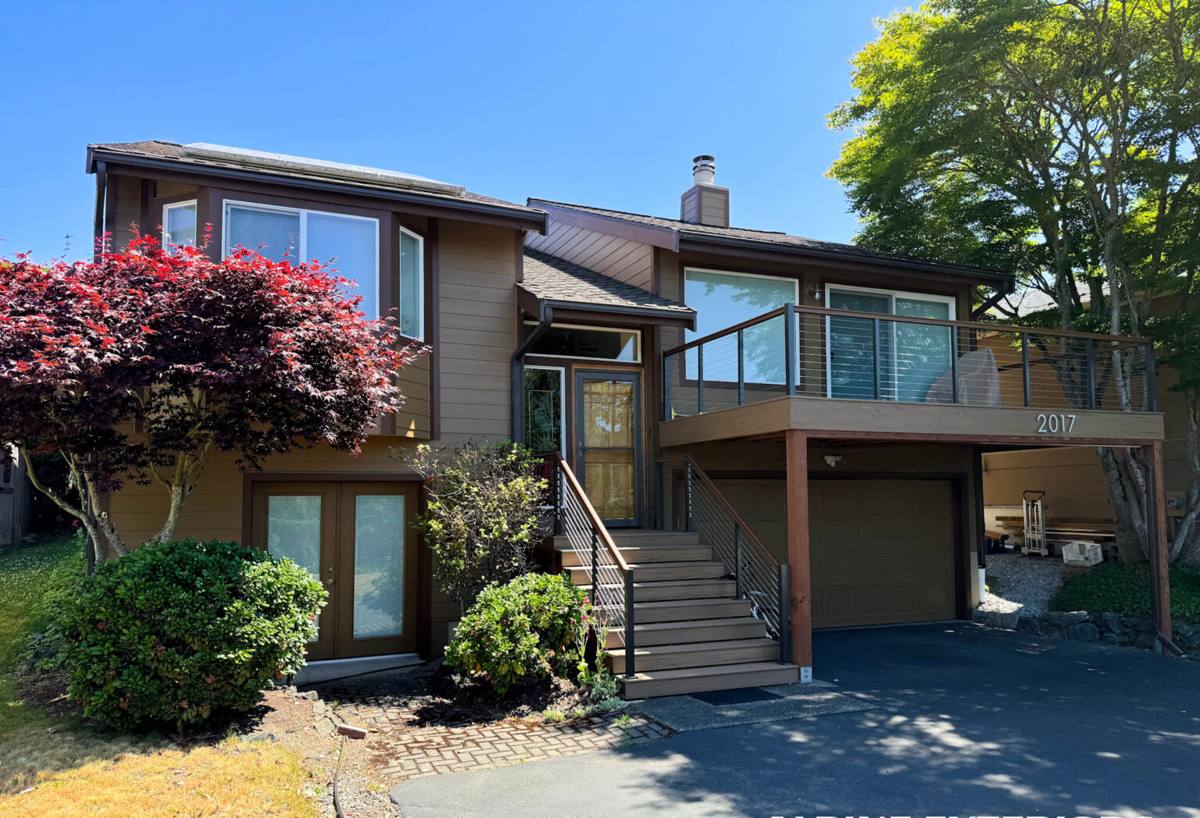
Why Local Roofs Take This Kind of Beating
Moss and Organic Growth
Whatcom County's long wet stretch, usually running from fall through spring, keeps roof surfaces damp for extended periods. Shaded sections, north-facing slopes, and valleys between roof planes stay wet longest, and that's exactly where moss and algae take hold. Moss doesn't just sit on top of shingles — it works into the granule layer, holds moisture against the roof deck, and lifts shingle edges as it grows. Left alone through a full moss season, it can turn a small, cheap repair into a much bigger one.
Driving Rain and Wind-Driven Water
Rain in this area doesn't always fall straight down. Wind off the surrounding hills and open water pushes rain sideways, which means water gets forced up under shingle edges, behind step flashing, and into vent boots that would stay dry in a calmer climate. Most of the "mystery leaks" we get called out for in Geneva trace back to wind-driven water finding a path that a straight-down rain never would.
Salt Air and Metal Corrosion
Metal components — flashing, fasteners, vent caps, gutter hardware — corrode noticeably faster in areas with salt-influenced air. Corrosion weakens metal at exactly the points meant to keep water out: nail heads, flashing seams, and drip edges. Once that metal starts to fail, the roofing material around it usually still looks fine, which is why these problems often go unnoticed until there's an active leak.
Signs a Geneva Roof Needs Repair
Homeowners usually notice one of these before calling, but it's worth knowing the full list so nothing gets missed during an inspection:
- Dark streaking or visible moss patches, especially on shaded or north-facing slopes
- Granules collecting in gutters or at downspout outlets
- Curling, lifting, or cracked shingle edges
- Rust staining around vent pipes, flashing, or metal fasteners
- Water stains on interior ceilings, especially after a windy rainstorm
- Soft or spongy spots when walking the roof (a sign of deck moisture)
- Daylight visible through the attic roof deck
- Sagging sections along valleys or near chimneys
What a Correct Repair Actually Involves
Diagnosis Before Patching
The biggest mistake in roof repair isn't poor workmanship — it's fixing the wrong spot. Water travels along roof decking and rafters before it shows up as a stain inside, so the visible damage and the actual entry point are often several feet apart. A correct repair starts with tracing the leak to its real source, which usually means checking flashing, vent boots, valleys, and any roof penetrations near the affected area before cutting into anything.
Matching Materials and Methods
Once the source is confirmed, the repair needs to match the existing roof system — same shingle type and, where possible, similar age and exposure so the patch doesn't stand out or age at a different rate. Flashing gets replaced rather than caulked over, since caulk is a short-term fix, not a repair. Any rotted or soft decking underneath gets replaced before new roofing goes back down; covering damaged decking just hides the problem for a while longer.
Our Roof Repair Process
- Inspection: We walk the roof and attic (when accessible) to find the actual source of the problem, not just the symptom.
- Assessment: We explain what we found, what's causing it, and whether it's a targeted repair or a sign of broader wear.
- Written estimate: A clear scope of work and price before anything is touched — no surprise add-ons mid-job.
- Repair: Damaged materials removed, decking checked and replaced if needed, flashing and shingles reinstalled to shed water correctly.
- Cleanup and check: Debris cleared, gutters checked for blockages from the repair area, and the work reviewed with the homeowner.
Repair vs. Replacement: How We Help You Decide
Not every roof problem needs a full replacement, and not every leak should be treated as "just a repair." Here's how we generally weigh it:
| Situation | Repair Usually Makes Sense | Replacement Should Be Considered |
|---|---|---|
| Age of roof | Under 15-20 years, otherwise sound | Nearing or past expected material lifespan |
| Extent of damage | Isolated to one section or penetration | Multiple leak points or widespread wear |
| Decking condition | Solid, dry, no rot found | Rot or soft spots in more than one area |
| Moss/algae history | Surface growth, roof otherwise healthy | Recurring growth despite repeated cleaning |
| Shingle condition overall | Granule loss limited to repair zone | Widespread granule loss or brittle shingles roof-wide |
We'll always tell you honestly which side of that line your roof falls on. A repair that's likely to need another repair in a year isn't doing you any favors.
Materials We Use for Repairs — and Why
Our default for repair work is matching what's already on the roof whenever the material is still performing reasonably well and simply needs a section replaced. For flashing and metal components, we lean toward heavier-gauge, corrosion-resistant metal even if it costs a bit more up front, because in a salt-influenced, wet climate like this one, thin or bare metal flashing is one of the first things to fail. We're generally cautious about repair methods that rely heavily on sealants or adhesives as the primary water barrier — sealant degrades with UV and temperature swings and needs reapplication, so we use it to supplement a mechanical repair, not replace one. It's a maintenance-and-durability tradeoff we're upfront about: a slightly more labor-intensive repair now usually costs less over the life of the roof than a quick sealant patch that needs redoing.
Cost Factors for Roof Repair in Geneva
Every repair is different, but the price generally comes down to a handful of factors:
| Factor | Why It Affects Cost |
|---|---|
| Size of the repair area | More square footage means more materials and labor time |
| Roof pitch and access | Steep or hard-to-access roofs take longer and need more safety setup |
| Decking condition | Rotted decking adds material and labor to replace before re-roofing that section |
| Flashing complexity | Chimneys, skylights, and valleys take more time to flash correctly than open field |
| Material match | Discontinued or specialty shingles can cost more to source than standard stock |
Straightforward repairs on accessible roofs tend to fall in the low hundreds to low thousands of dollars; larger sections with deck replacement or complex flashing run higher. We'll always give you a firm number in writing before starting, based on what we actually find during inspection — not a guess over the phone.
Why a Crew That Already Works Geneva Matters
A roofer who works this part of Whatcom County regularly already knows which slopes hold moisture longest, which flashing details tend to corrode first in this air, and how hard the wind typically drives rain during a fall storm. That local pattern recognition shortens the diagnosis phase and reduces the chance of a callback for the same leak. It also means we're not learning the regional climate on your roof — we've already seen how it behaves on dozens of others nearby.
Simple Maintenance That Extends a Repair's Life
A good repair lasts longer with a little upkeep in between service calls:
- Clear gutters and downspouts before the fall rains pick up
- Have moss treated or removed before it spreads across a full slope
- Trim back overhanging branches that keep shaded roof sections wet longer
- Check attic ventilation — poor airflow traps moisture and speeds up deck and shingle wear
- Schedule a roof check after any major windstorm, even if nothing looks obviously wrong from the ground
If you're noticing signs of wear, a slow leak, or moss creeping across your roofline, we're happy to take a look and give you a straightforward, no-pressure estimate — just fill out the form below to get started.