 Sudden Valley Roofing
 Asphalt Shingle Roofing Built for Lake Whatcom's Climate
Homes around Lake Whatcom face a specific combination of weather that most shingle roofs on the market were never really tested against: near-constant moisture, driving rain that comes in sideways off the water, salt-laden air drifting in from the Puget Sound corridor, and long stretches of shade from the surrounding tree cover that keep roof surfaces damp for days after a storm passes. That combination is exactly what turns an average shingle roof into a moss farm and shortens the life of a roof that would otherwise last two or three decades in a drier part of the state.
This page covers what asphalt shingle roofing actually needs to hold up around Lake Whatcom, what a correct installation involves, and how our crew approaches the work. It's written for homeowners who want a straight answer, not a sales pitch.
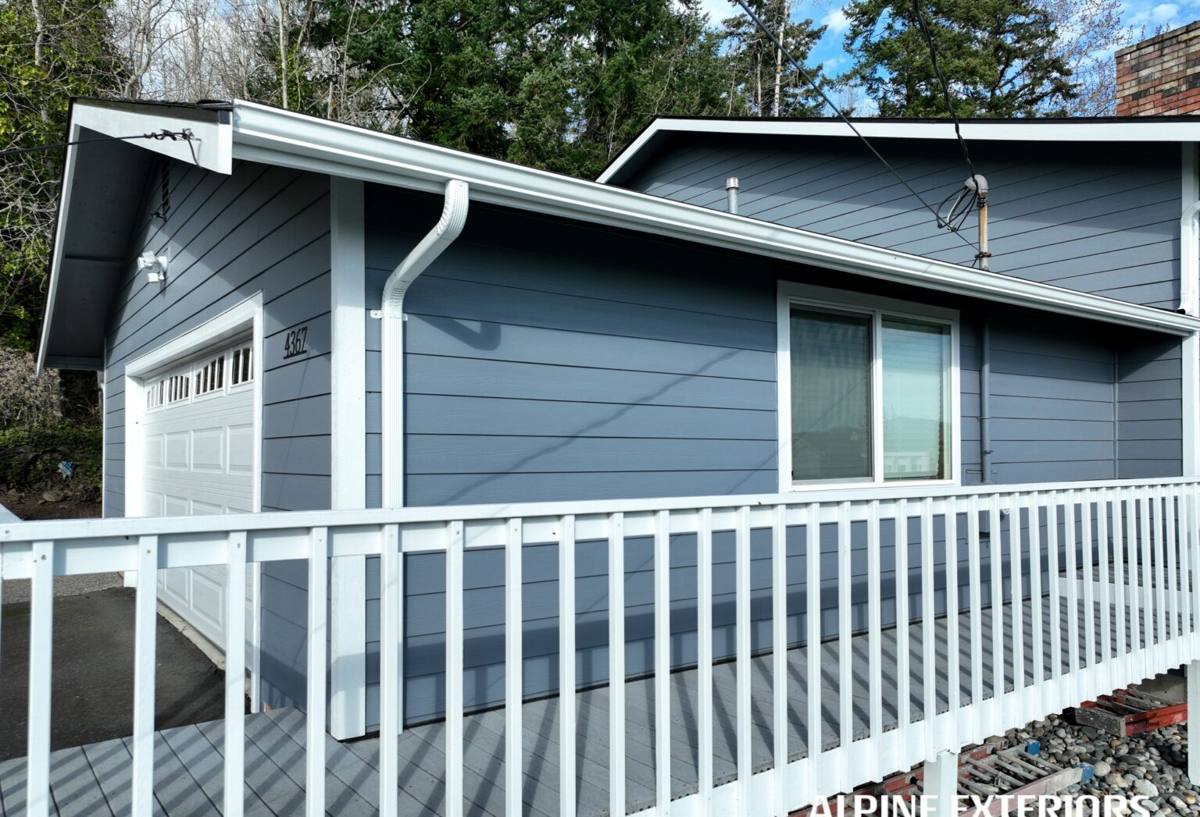
What Driving Rain, Salt Air, and Moss Do to a Shingle Roof
Whatcom County's weather pattern isn't extreme in the way a hailstorm or hurricane is extreme — it's persistent. That's actually harder on a roof in some ways, because the damage happens slowly and often goes unnoticed until it shows up as a leak.
Driving rain and wind-driven moisture
Wind off the lake pushes rain up and under shingle tabs rather than straight down onto them. A roof that's only built to shed water moving in one direction will eventually let moisture find its way past the shingle line at valleys, eaves, and anywhere flashing wasn't detailed correctly. Over years, that's how you get rot in the roof deck long before the shingles themselves look worn out.
Salt air and material fatigue
Salt-carrying air accelerates the breakdown of exposed metal — flashing, fasteners, vent stacks, gutter hardware — faster than it would inland. Corroding fasteners and flashing are a common source of hidden leaks on older roofs in this area, well before the shingles themselves reach the end of their service life.
Moss, algae, and shaded roof sections
Whatcom County's growing season for moss is long, and roof sections shaded by mature trees rarely get enough direct sun to dry out between rain events. Moss doesn't just look bad — its root structure lifts shingle edges as it grows, which opens a path for water underneath the shingle mat. Left untreated, a moss-covered roof section will fail years before a clean one on the same house.
Choosing the Right Asphalt Shingle for This Area
Not every asphalt shingle product is built the same way, and the differences matter more here than they would in a mild, dry climate. We generally steer homeowners toward algae-resistant (AR) shingles with a solid wind rating and a proven sealant strip, and we're selective about laminate/architectural products versus older 3-tab styles.
| Shingle Tier | Typical Lifespan | Wind Rating | Best Suited For |
|---|---|---|---|
| 3-Tab (economy) | 15–20 years | Lower (60–70 mph typical) | Budget rentals, outbuildings, short-hold properties |
| Architectural / Laminate | 25–30 years | Higher (110–130 mph typical) | Most primary residences around Lake Whatcom |
| Premium / Designer | 30+ years | Highest tier available | Homes prioritizing appearance and maximum wind/impact performance |
For most Lake Whatcom homes, an architectural shingle with algae resistance built into the granules is the sensible middle ground — it costs more up front than a 3-tab but resists moss and streaking noticeably longer, which matters in a climate where roofs stay damp for extended periods.
What a Correct Asphalt Shingle Installation Involves
A shingle roof is a system, not a single product. In a wet climate, the layers underneath the shingles matter as much as the shingles themselves.
Ice and water shield at vulnerable points
Self-adhering waterproof membrane belongs at the eaves, in valleys, and around every penetration — vent stacks, chimneys, skylights. These are the spots where wind-driven rain is most likely to get pushed backward under the shingle line, and it's the single most important defense against the kind of leak that shows up as a stain on an interior ceiling months later.
Synthetic underlayment, not felt alone
Synthetic underlayment sheds water better than old-style felt if a shingle is ever compromised by wind or debris, and it holds up better to the repeated wet-dry cycling this climate produces during a re-roof if weather interrupts the job.
Proper attic ventilation
Balanced intake and exhaust ventilation keeps the underside of the roof deck dry and at a consistent temperature. Without it, moisture gets trapped in the attic, which promotes rot from the inside and can void a shingle manufacturer's warranty entirely — a detail a lot of homeowners don't find out until they need to file a claim.
Flashing and fastening details
Step flashing at walls and chimneys, proper drip edge at eaves and rakes, and correctly placed nails (not staples, not over-driven or under-driven) are what actually keep water out. This is also where corrosion-resistant materials matter given the salt air in this region — cheap fasteners are a common failure point on older roofs we inspect.
Our Process From Estimate to Cleanup
- On-site inspection: We walk the roof (weather permitting) and check the attic from the inside, not just a drive-by look from the ground.
- Written estimate: A clear scope of work and price — what shingle tier, what underlayment, what gets replaced versus reused, and why.
- Scheduling around the weather: Given how much rain this area gets, we plan installs in windows that let us keep the deck dry, tarping and sequencing the tear-off so the house isn't left exposed overnight.
- Tear-off and deck inspection: Old shingles come off, and we check the actual plywood or OSB deck underneath for soft spots or rot before anything new goes down — this step gets skipped by crews trying to move fast, and it's where hidden problems get found or missed.
- Installation: Underlayment, flashing, ice and water shield, starter strips, shingles, and ridge caps, installed to the manufacturer's nailing pattern to keep the warranty valid.
- Cleanup and magnetic sweep: Yard and driveway cleared of debris and stray nails before we consider the job done.
- Final walkthrough: We go over the finished roof with the homeowner and answer questions before we leave.
Signs Your Lake Whatcom Roof Needs Attention
Because the damage in this climate tends to be gradual, it helps to know what to watch for between inspections:
- Granules collecting in gutters or at the base of downspouts
- Shingle edges that look lifted, curled, or cupped
- Dark green or black streaking, or visible moss patches, especially on shaded slopes
- Daylight visible through the roof deck when viewed from inside the attic
- Soft or spongy spots when walking the roof
- Water stains on ceilings or upper interior walls after heavy rain
- Missing or damaged shingles after a windstorm
- Rusted or corroded flashing around chimneys, vents, or skylights
Any one of these on its own isn't necessarily an emergency, but a roof showing two or three of them at once is usually past the point where a small repair will hold for long.
Maintenance to Extend Shingle Life in a Moss-Prone Climate
A shingle roof in this area gets more life out of it with a small amount of regular attention than one that's simply left alone until something leaks.
Moss treatment, not pressure washing
Moss should be treated with a proper roof-safe treatment and gently removed, never scraped aggressively or blasted with a pressure washer — both of those strip granules and shorten shingle life faster than the moss itself would.
Gutter and downspout clearing
Clogged gutters back water up under the shingle edge at the eaves, which is exactly where ice and water shield is supposed to be doing its job — but only if water isn't sitting there for days at a time.
Periodic flashing and fastener checks
Given the corrosive effect of salt air on exposed metal here, a periodic look at flashing and exposed fasteners catches problems while they're still a five-minute fix instead of a full section replacement.
Cost Factors for Shingle Roofing in Lake Whatcom
Every roof is different, but these are the main variables that move the price of a shingle roof replacement or repair up or down. We don't quote exact numbers without seeing the roof, but this is the honest breakdown of what drives cost.
| Factor | Why It Matters |
|---|---|
| Roof size and number of stories | More square footage and steeper access both add labor time and equipment needs. |
| Roof pitch and complexity | Steep roofs and roofs with many valleys, dormers, or penetrations take longer and use more flashing material. |
| Deck condition underneath | Rotted decking found during tear-off has to be replaced before new shingles go down — this is the most common source of a mid-project cost adjustment. |
| Shingle tier chosen | 3-tab, architectural, and premium products carry different material costs and different expected lifespans. |
| Tear-off vs. layover | Removing old shingles entirely costs more upfront than a layover but is the only way to properly inspect and repair the deck — we don't recommend layovers in this climate. |
| Access and site conditions | Tree cover, tight lot access, and lake-adjacent terrain around Sudden Valley can affect staging and equipment placement. |
Why a Crew That Already Works Lake Whatcom Matters
Roofing knowledge that works fine in a dry inland climate doesn't automatically transfer here. A crew that already does regular work around Lake Whatcom and the rest of Whatcom County knows which slopes on a typical local roof stay shaded and wet longest, understands how quickly moss re-establishes itself after a partial treatment, and doesn't need to guess at how much ice and water shield a given roof actually needs versus the code minimum. That local pattern recognition is the difference between a roof that's technically installed correctly and one that's actually built for what this area throws at it year after year.
It also matters for scheduling honesty. A crew unfamiliar with the region's rain patterns may promise timelines that don't account for how often work has to pause for weather, which either drags the project out or pressures a crew to install over a deck that isn't fully dry — neither of which serves the homeowner.
Get a Straight Answer for Your Roof
If you're weighing a repair against a full replacement, or just want an honest read on how much life is left in your current roof, we're happy to take a look. Reach out for a free, no-pressure estimate — someone can walk your roof, tell you what we actually see, and give you a clear, written quote with no obligation.