 Sudden Valley Roofing
 Board & Batten Siding for Sehome Homes
Sehome sits close enough to the water and the hills around it that its houses take a particular kind of beating: salt-laden air off the Sound, driving rain that comes in sideways during winter storms, and a moss season that can stretch from October well into spring. Board & batten siding — with its clean vertical lines, wide boards, and narrow battens covering the seams — is one of the more popular upgrades we get asked about in this neighborhood, and for good reason. Done right, it looks sharp on both older homes and newer builds. Done wrong, or with the wrong material, it's one of the faster ways to end up with rot, staining, and a siding job that needs redoing in under a decade.
This page covers what board & batten siding needs to hold up in Sehome specifically, what a correct installation actually involves, and why we only install it in James Hardie fiber cement.
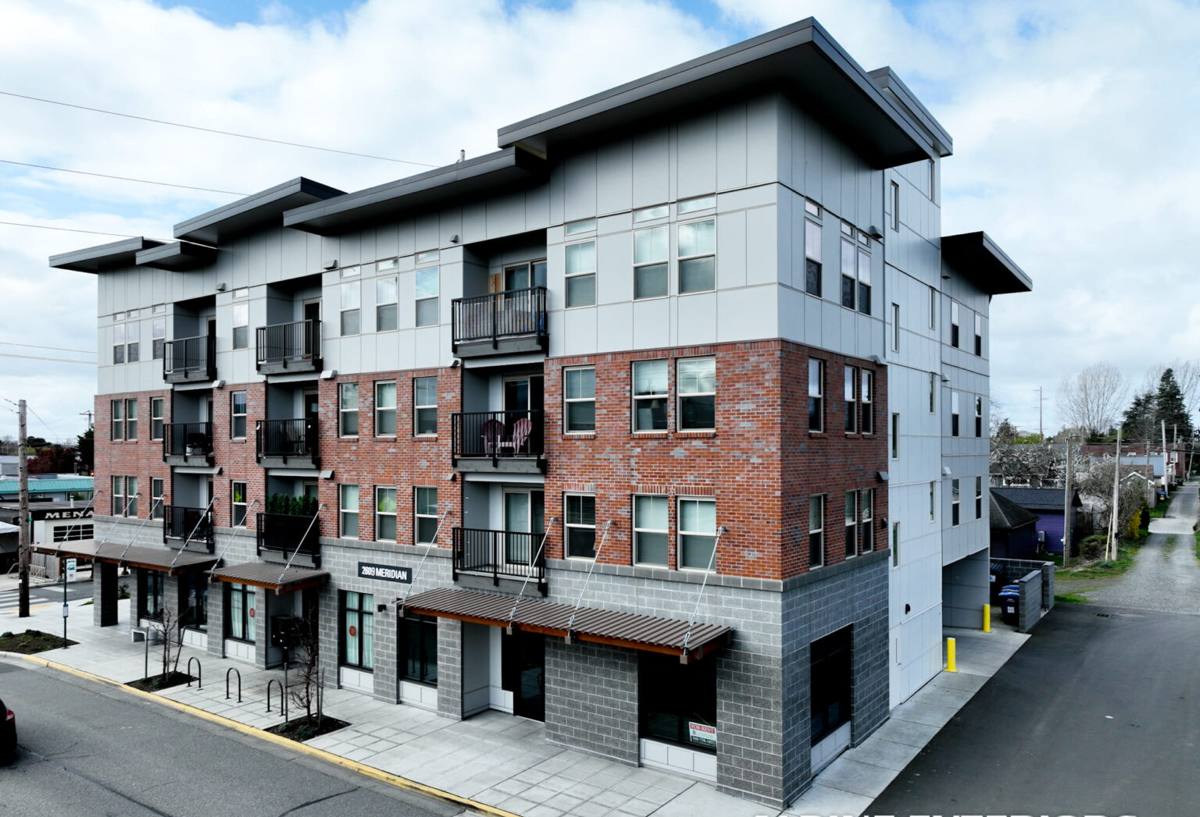
What Sehome's Climate Actually Does to Vertical Siding
Salt Air
Homes in and around Sehome get enough marine influence that any siding material with exposed metal fasteners, untreated wood, or a finish that isn't engineered for coastal exposure will show it — chalking, corrosion streaks, and premature fading are common complaints we hear about siding that wasn't specified for this environment.
Driving Rain
Whatcom County storms don't just fall straight down — wind-driven rain gets pushed sideways into wall assemblies, and vertical board & batten has more seams per square foot than horizontal lap siding. Every one of those seams is a potential water path if it isn't detailed correctly at installation.
Moss Season
Shaded elevations and north-facing walls around Sehome can stay damp for months at a stretch. Moss and algae don't just look bad — sustained moisture against a wall assembly is what eventually causes rot in anything wood-based, and it accelerates finish failure on materials that aren't built to shed water and resist organic growth.
Why Board & Batten, and Why the Material Choice Matters More Here
Board & batten's vertical grooves and shadow lines read as more architectural than flat lap siding, and it pairs well with the mix of craftsman, farmhouse, and modern styles you see through Sehome and the surrounding neighborhoods. It's often used as an accent — gables, dormers, entry features — or as a full-wall material on newer construction.
The problem is that board & batten's good looks come from a design that's less forgiving of water than lap siding. Wide flat boards and narrow battens create more joints, and every vertical seam needs to be flashed, gapped, and finished correctly or it becomes a wicking point. That's precisely why the material underneath the good looks matters as much as the pattern itself — in a climate that throws salt air, sideways rain, and months of damp shade at a wall, the siding underneath the battens has to be dimensionally stable and genuinely moisture-resistant, not just painted to look that way.
Why We Install Only James Hardie for Board & Batten
Sudden Valley Roofing Co installs James Hardie fiber cement exclusively — including for board & batten. We don't install vinyl, LP SmartSide, Cemplank, Allura, primed spruce, or cedar, and homeowners in Sehome deserve the honest reasoning, not just the policy.
Vinyl
Vinyl board & batten is inexpensive and light, but it's a plastic product that expands and contracts with temperature swings, can crack in impacts, and fades over time under UV exposure. In a marine climate, that expansion movement plus salt exposure tends to show up as warping and visible seams sooner than homeowners expect.
LP SmartSide, Primed Spruce, and Cedar
These are wood-based products (engineered strand or solid lumber). Wood-based siding can perform well when maintenance stays current, but it depends on an intact paint or finish film to keep moisture out — and in a neighborhood with a real moss season and sustained shaded dampness, that film gets tested hard. Cedar in particular is a beautiful, traditional choice, but it requires ongoing refinishing and is genuinely more vulnerable to moisture, insects, and rot once a coating starts to fail. Primed spruce needs a full field-applied finish system to perform at all, which shifts a lot of the long-term durability onto how well and how often that finish gets maintained.
Cemplank and Allura
Both are fiber cement products, and fiber cement as a category is the right material family for this climate — non-combustible, dimensionally stable, and not dependent on an intact paint film the way wood-based sidings are. Our standard is James Hardie specifically because of its factory-applied ColorPlus finish (baked on, not field-applied, so it isn't relying on a contractor's paint job for its warranty performance), its HZ5 climate-engineered formulation for the Pacific Northwest, and a strong transferable warranty. We'd rather install one product line to spec, consistently, than juggle several.
What a Correct Board & Batten Installation Involves
Board & batten looks simple from the street, but the details underneath are what determine whether it lasts.
Furring Strips vs. Direct Application
A rainscreen approach — vertical furring strips creating a drainage gap behind the siding — gives any moisture that gets past the surface a way to drain and the wall a way to dry out. On a wall exposed to driving rain and prolonged damp shade, that gap is one of the more important decisions in the whole job.
Flashing and Weather-Resistive Barrier
Every window, door, and horizontal transition needs proper flashing integrated with the weather-resistive barrier underneath the siding — not caulk substituting for flashing. Board & batten's vertical seams also need attention where they meet trim, soffits, and foundation transitions.
Fastening and Board Gaps
James Hardie specifies fastener type, spacing, and placement for board & batten applications, along with minimum clearances from grade, roof lines, and horizontal surfaces. Boards need expansion gaps at butt joints, filled and sealed per manufacturer specification — not tight-butted, which is a common shortcut that leads to buckling.
Batten Placement
Battens need to land over the board seams with enough overlap and consistent fastening to stay tight and straight over time, without over-driving fasteners that crack the material.
James Hardie Board & Batten vs. Other Materials
| Factor | James Hardie Fiber Cement | Vinyl | LP SmartSide / Wood-Based |
|---|---|---|---|
| Moisture resistance | Engineered to resist moisture; not paint-dependent for water resistance | Doesn't absorb water, but seams and warping can let water behind it | Relies on intact finish; moisture is the main failure point |
| Fire rating | Non-combustible | Combustible; can melt or warp near heat | Combustible (engineered wood) |
| Finish | Factory-baked ColorPlus finish, warranted separately from field paint | Color molded through the product; can fade/chalk over time | Field-applied paint; performance depends on maintenance schedule |
| Maintenance | Periodic washing; repainting only if desired, not required for protection | Low, but cracks/warps aren't repairable — they're replaced | Repainting/recaulking on a recurring schedule to stay protected |
| Typical lifespan when installed to spec | Multiple decades | Shorter effective lifespan in harsh coastal exposure | Shorter without consistent maintenance |
Our Process on Sehome Projects
Assessment
We walk the exterior, check the existing wall assembly and any water damage, and talk through where board & batten makes sense — full walls, gables, or accent areas — given the home's exposure to weather and shade.
Prep and Water Management
We address the weather-resistive barrier, flashing details, and drainage plane before a single board goes up. This is the step that gets skipped when a job is rushed, and it's the step that determines whether the siding survives Whatcom County winters.
Installation
Boards and battens go up to James Hardie's fastening, spacing, and clearance specifications, with careful attention to joints, corners, and transitions around windows, doors, and rooflines.
Walkthrough and Cleanup
We review the finished work with the homeowner, confirm caulking and touch-up paint match, and clear the site.
Cost Factors for Board & Batten Siding Projects
| Factor | Why It Affects Cost |
|---|---|
| Tear-off vs. new construction | Removing and disposing of existing siding, and repairing any hidden damage underneath, adds labor |
| Wall height and stories | Taller walls require more staging/scaffolding and slow installation |
| Amount of trim and transitions | Corners, windows, gables, and roof transitions all require additional flashing and detail work |
| Full wall vs. accent application | Accent use (gables, entries) costs less than covering entire elevations |
| Existing wall condition | Rot or moisture damage found during tear-off needs repair before new siding goes on |
We give exact numbers only after seeing the specific home — anyone quoting a firm price without an on-site look isn't accounting for what's actually behind the existing siding.
What to Ask Before Hiring a Board & Batten Contractor in Sehome
- Do they install James Hardie's board & batten products specifically, and are they factory-trained on the application?
- Will they explain their approach to flashing, drainage gaps, and joint treatment, not just labor and timeline?
- Do they follow manufacturer-specified fastening and gap requirements rather than "how we've always done it"?
- Have they worked on homes in Sehome or nearby Whatcom County neighborhoods with similar exposure?
- Is their warranty coverage clear on both materials and workmanship, and is it explained in writing?
- Will they walk you through what's found once the old siding comes off, before covering it back up?
Why Local Experience with Sehome Homes Matters
A crew that already works this area knows which elevations tend to hold moss the longest, which walls take the worst of the driving rain, and how the local weather pattern actually behaves through a full year — not just what a spec sheet says in general. That local pattern recognition shows up in small decisions: where to add extra flashing attention, which walls justify a rainscreen gap even when it's not strictly required, and what kind of prep work a given house is likely to need once the old siding comes off. It's the difference between a board & batten installation that looks right on day one and one that's still performing correctly ten winters later.
If you're weighing board & batten siding for a home in Sehome, we're happy to take a look, walk you through what your specific house needs, and give you a straightforward, no-pressure estimate using the form below.