 Sudden Valley Roofing
 What Whatcom County's Climate Does to Siding on a Silver Beach Home
Homes along Lake Whatcom, including the Silver Beach area near Sudden Valley, sit under heavy tree cover and take on weather that's tougher on exterior materials than most homeowners realize. The marine air that moves in off the Salish Sea and settles across Whatcom County carries salt and moisture that finds its way into every seam, nail hole, and unpainted cut edge on a house. Add to that the driving, sideways rain that's common here in the fall and winter months, and siding gets tested from every angle, not just from above.
Then there's shade. Lake-side lots with mature conifers hold moisture against exterior walls long after a storm has passed. That combination of shade and dampness is exactly what moss, algae, and mildew need to take hold, and once they're established on a wall they don't just sit there looking bad — they hold water against the substrate and accelerate whatever damage is already happening underneath. A long moss season here isn't a cosmetic inconvenience. It's a sign that a wall assembly is staying wet longer than it should, and over years that matters.
This is the environment we design every siding job around. It's also why we don't treat siding selection as a matter of taste or budget alone — the material has to actually perform in these conditions, year after year, without babysitting.
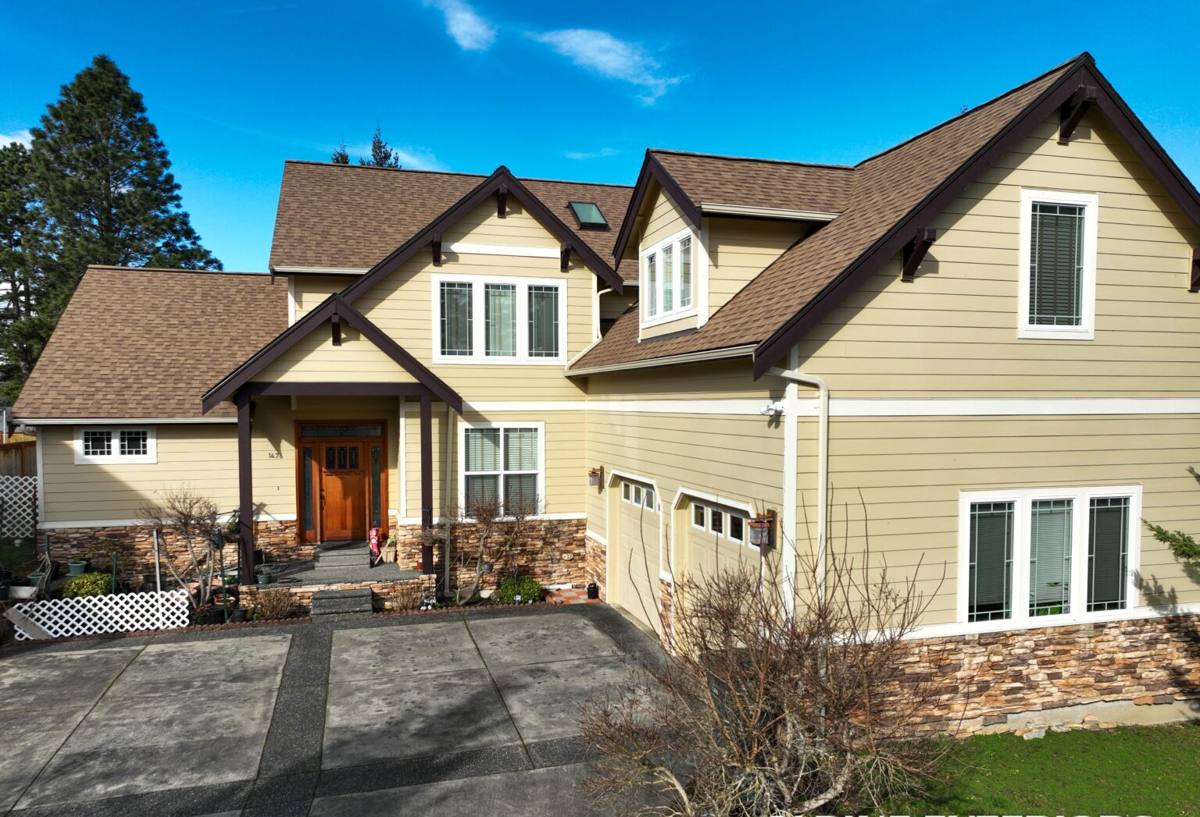
Why We Only Install James Hardie Fiber Cement Siding
Sudden Valley Roofing Co installs one siding brand: James Hardie fiber cement. We don't carry vinyl, LP SmartSide, Cemplank, Allura, primed spruce, or cedar, and that's a deliberate professional standard, not a lack of options.
What Made Us Standardize
Fiber cement is non-combustible and dimensionally stable in a way wood-based and engineered-wood products aren't. It doesn't expand and contract with moisture the way an OSB-core product does, and it doesn't rely on a factory or field-applied wood substrate that can swell, delaminate, or take on water at a cut edge if that edge isn't sealed correctly. In a climate where siding stays damp for long stretches of the year, that difference compounds over a decade or two, not just after one bad winter.
What We're Not Claiming
Vinyl, engineered wood, and cedar all have legitimate uses and reasonable installed track records when they're detailed correctly and maintained. Our decision isn't that those products are junk — it's that after years of installation and repair work in this specific climate, we settled on the one material system that gives our customers the least maintenance burden and the most predictable long-term performance for the money. James Hardie's ColorPlus factory finish, climate-engineered HZ product lines, and transferable warranty backed that decision up.
What a Correct Siding Installation Actually Involves
Siding is only as good as the assembly behind it. A beautiful plank installed over a compromised wall will fail early no matter what brand is on the label. A correct job, especially on a shaded, moisture-prone lot, includes several layers most homeowners never see once the job is done.
The Water-Resistive Barrier
A weather-resistive barrier (housewrap or building paper) goes over the sheathing before anything else. Every seam gets taped or lapped correctly, and every penetration — outlets, vents, hose bibs, light fixtures — gets flashed and sealed before siding ever touches the wall.
Furring and Drainage
On homes with heavy shade and slow-drying walls, a rainscreen or furring strip approach gives water somewhere to go instead of sitting trapped between the siding and the barrier. This is one of the details that separates a job built for this climate from a generic installation.
Fastening and Clearances
James Hardie has specific fastening patterns, nail types, and minimum ground and roof clearances published for every product line. Skipping these — over-driving nails, fastening too close to panel edges, or letting siding sit too close to grade or a roofline — is one of the most common ways an otherwise good product fails prematurely. We follow the manufacturer's installation instructions to the letter, because doing so is also what keeps the warranty intact.
Caulking and Field-Cut Sealing
Every field cut on fiber cement siding exposes raw material that needs to be primed and sealed before it's closed up. Joints, trim intersections, and butt seams get the correct sealant, not just whatever's on the truck. This step is invisible once the job is done, but it's the difference between siding that sheds water for decades and siding that starts wicking moisture at the seams within a few years.
Signs a Silver Beach Home Needs New Siding
Because lake-side homes here hold moisture longer, siding problems often show up as texture and staining issues before they show up as obvious damage. Homeowners who catch these signs early avoid paying for interior repairs later.
- Persistent moss or algae streaking on shaded walls that comes back within weeks of cleaning
- Soft, spongy, or crumbling siding when pressed, especially near the bottom courses or under windows
- Visible warping, bowing, or gaps between boards
- Paint that's peeling or bubbling in patches rather than just fading evenly
- Cracked or missing caulk at trim joints, corners, and window and door casings
- Rising heating bills or noticeably drafty rooms with no other explanation
- Interior staining on walls or ceilings near exterior corners after heavy rain
Any one of these on its own might just need a repair. Several at once, especially on the shaded or lake-facing side of the house, usually means the wall assembly behind the siding has been wet for a while.
Our Installation Process, Start to Finish
1. On-Site Assessment
We walk the exterior, check the current siding and the sheathing underneath where it's accessible, and look specifically at the sides of the house that get the most shade and the most weather exposure. This tells us whether we're dealing with a straightforward re-side or whether there's hidden rot that needs to be addressed before new siding goes up.
2. Tear-Off or Overlay Decision
In most cases we recommend a full tear-off so we can inspect and repair the sheathing and water-resistive barrier underneath. Overlaying new siding onto a wall with hidden moisture damage just buries the problem.
3. Repair and Prep
Any damaged sheathing, framing, or trim gets replaced. The weather-resistive barrier goes on next, with attention to every seam, corner, and penetration.
4. Hardie Installation
Panels or lap siding go up following James Hardie's published fastening and clearance specs, with trim, corners, and accessories installed to match. Field cuts are primed and sealed before the next piece goes up, not at the end of the day.
5. Final Walkthrough
We walk the finished job with the homeowner, cover basic care, and go over warranty registration paperwork so the coverage is properly on file.
Comparing Siding Materials for a Lake Whatcom-Area Home
Homeowners researching siding options will run into several materials marketed as comparable. Here's how they hold up specifically against the conditions common around Silver Beach and Sudden Valley.
| Material | Moisture Behavior | Maintenance Load | Fire Resistance | Our Position |
|---|---|---|---|---|
| James Hardie fiber cement | Dimensionally stable; doesn't swell or rot when detailed correctly | Low — factory finish holds up for years | Non-combustible | What we install exclusively |
| Vinyl | Doesn't absorb water itself but can trap moisture behind it if not vented properly | Low, but can crack, fade, or warp in temperature swings | Combustible, can deform under heat | Not installed by us |
| LP SmartSide (engineered wood) | Wood-based core is vulnerable at cut edges and joints if sealing isn't perfect and maintained | Moderate — needs ongoing paint and caulk upkeep | Combustible | Not installed by us |
| Cedar | Natural wood; absorbs and releases moisture constantly, prone to rot in shaded, damp settings | High — regular refinishing needed | Combustible | Not installed by us |
None of these alternatives are dangerous or automatically going to fail — plenty of homes wear them successfully. But every one of them asks more of the homeowner, in upkeep or in vigilance about sealing and drainage, than fiber cement does in a climate that stays wet as long as ours does.
Cost Factors on a Silver Beach Siding Project
There's no honest flat number for a siding job without seeing the house, but the variables that move the price are consistent from project to project.
| Factor | Why It Matters |
|---|---|
| Home size and wall complexity | More square footage and more corners, dormers, and trim details mean more labor and material |
| Tear-off vs. overlay | Full tear-off costs more upfront but lets us fix what's underneath instead of covering it up |
| Hidden sheathing or framing damage | Common on shaded, moisture-heavy walls; not knowable until the old siding comes off |
| Story height and access | Second stories, steep lots, and limited access around a lake-side house add scaffolding and labor time |
| Product line and finish | Panel vs. lap profiles and ColorPlus finish options carry different material costs |
| Trim and accessory scope | Corner boards, fascia, soffits, and window trim are often replaced alongside the field siding |
Caring for Hardie Siding After Installation
Fiber cement is low-maintenance, not no-maintenance, especially in a shaded, damp climate. A little seasonal attention keeps it performing the way it's designed to for decades.
- Rinse shaded and lake-facing walls with a garden hose once or twice a year to knock down early moss and algae growth before it takes hold
- Avoid high-pressure washing directly at seams and joints, which can force water behind the panels
- Keep gutters clean and downspouts directed away from the foundation and lower siding courses
- Trim back branches and shrubs that keep siding shaded and slow to dry after rain
- Inspect caulking at trim and window joints annually and have gaps resealed before they widen
- Touch up any chipped ColorPlus finish promptly rather than letting bare material sit exposed
Why Hire a Crew That Already Works in Silver Beach and Sudden Valley
Siding installation isn't the kind of work where a crew from a different climate can just show up and apply the same approach they'd use somewhere drier. The furring, flashing, and drainage decisions that matter most on a Silver Beach home are the ones that only show up as problems years later if they're skipped — by then the siding is off warranty and the damage is done. A crew that already works this stretch of Whatcom County has already seen which walls hold moisture, which lots need extra attention to drainage, and how the local moss and rain patterns actually behave against a finished wall, not just in theory.
That local familiarity also means straightforward answers instead of upsells. We're not going to talk a homeowner into replacing every wall of a house when a section repair with correctly detailed flashing will do, and we're not going to skip an important step to save a day of labor on a job we know is going to get tested by a real Whatcom County winter within a few months of completion.
If you're weighing a siding replacement or repair on a Silver Beach home, we're glad to come take a look. A free, no-pressure estimate gives you a clear picture of what your walls actually need before you commit to anything — use the form below to get started.